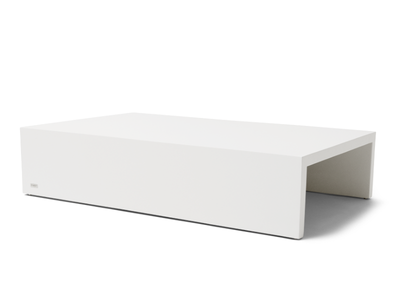
Choosing fuel for a fire table used to mean picking between propane and natural gas. For an EcoSmart fire table it's a different question entirely: gas versus no gas at all. The short answer: bioethanol needs no gas line, no gasfitter and no ongoing service, while gas installation typically runs $2,000 to $7,500 (more for a built-in setup) plus $150 to $300 a year to maintain. Keep reading for the real cost comparison.
Why This Isn't Really a Propane-versus-Natural-Gas Question Anymore
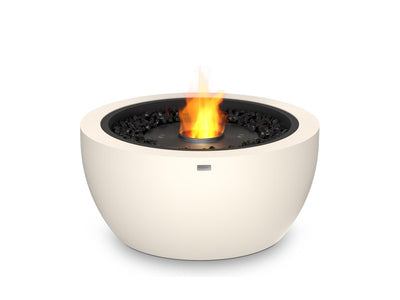
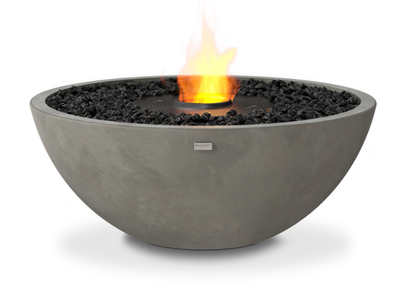
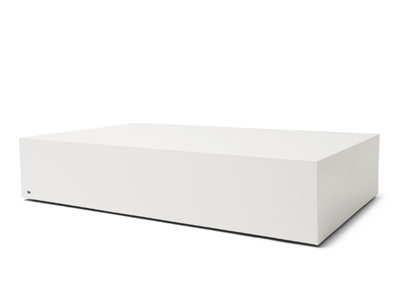
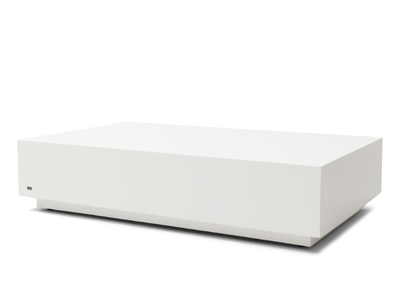
Propane and natural gas fire tables both need a fuel supply plumbed or bottled in, a regulator, and a burner engineered around gas pressure and airflow. An EcoSmart fire table skips all of that. The AB8 burner holds liquid e-NRG bioethanol directly and burns it straight off the surface. There's no regulator, no gas line, and nothing to connect, so the propane-versus-natural-gas debate simply doesn't apply.
What a Gas Fire Table Costs to Own
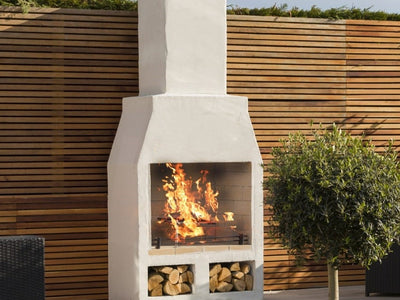
Gas installation isn't just the unit price. Expect $2,000 to $7,500 for a typical install, and $3,500 to $15,000 or more for a fully built-in setup. On top of that, running a new gas line typically costs $500 to $2,000, a licensed gasfitter is required at $800 to $1,500, and most installations need a yearly service at $150 to $300. None of that is optional if you want it done properly and compliantly.
What Bioethanol Costs Instead
There's no equivalent install bill. An EcoSmart fire table is freestanding, so there's no gas line to run, no gasfitter to book, no compliance certificate, and no annual service or standing supply charge. The running cost sits entirely in the fuel: e-NRG bioethanol is sold with delivery included, typically $6.30 to $6.88 a litre. At the AB8's full-flame burn rate of roughly 1.1 L/hr, that works out to about $6.90 to $7.60 an hour. Fit the Efficiency Ring and consumption drops, bringing the cost down.
The fairer comparison isn't cost per hour, it's cost to own. Gas might look cheap once it's running, but by the time you've paid for the install, the gasfitter and a few years of servicing, a bioethanol fire table with no install cost at all starts looking like the better long-term number, even accounting for the ongoing fuel spend.
What You Give Up
It's worth being honest about the trade-offs. Natural gas connects to an unlimited mains supply, so you never think about running out mid-gathering; e-NRG comes in cartons you reorder and store, even though it's delivered to your door. Gas burners can also be built in a range of sizes to scale heat output up; EcoSmart's AB8 runs a fixed 6 kW (21.56 MJ/h), which comfortably heats up to 60 m² as supplemental zone heating, but isn't designed to compete with a large custom gas burner built for a much bigger space. And ignition is manual, a lighting rod and a fire lighter, rather than a push-button start.
Which Setup Suits Which Household
Gas still makes sense if you're already plumbing a permanent outdoor kitchen, want one burner running for years without touching the fuel supply, or need heat output beyond what a self-contained unit provides. Bioethanol suits most other outdoor entertaining setups: renters, anyone who'd rather not have a gasfitter involved at all, and anyone who wants the option to reposition the fire table later rather than having it fixed in one spot for good.
The Bottom Line
If the appeal of gas was the flame, bioethanol delivers that without the pipework. If the appeal was genuinely unlimited fuel or maximum scalable heat output, gas still wins on those two points specifically. For most Australian outdoor entertaining, skipping the gasfitter, the compliance certificate and the annual service is the bigger win, and it's the reason the "propane or natural gas" question has largely been replaced by a simpler one.
You May Also Like:
About the author:
“I have a real passion for helping transform outdoor spaces so people can relax, connect and entertain with confidence and pride. With My Acre, I love guiding homeowners to create beautiful and functional outdoor living areas."