How Do Fire Tables Work
Ever wondered how a fire table creates perfect flames without turning your patio into a smoky campsite? The short answer: a Fire Table uses gas burners, ignition systems, and heat-resistant media to produce controlled outdoor heat safely. Keep reading to learn how the flames work, what powers them, and why they’ve become backyard favourites across Australia.

The Core Mechanics: Exactly How Does a Fire Table Work to Create Heat?
At first glance, a Fire Table looks like stylish outdoor furniture with flames floating magically across the middle. Underneath, though, there is a carefully engineered gas system doing all the heavy lifting.
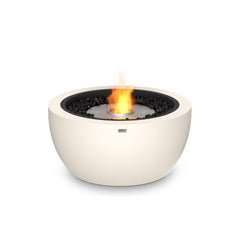
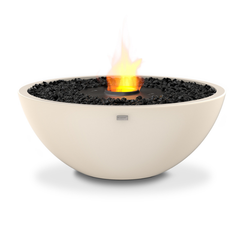
Most Fire Tables use either propane or natural gas. Fuel flows through hidden gas lines into a burner assembly located beneath lava rock or fire glass. Once ignited, the burner creates a controlled flame while the surrounding media helps spread heat evenly.
The result feels clean, modern, and far more practical than constantly feeding timber into a fire pit all evening.
There is also no smoke following everybody around the backyard like an unwanted guest.
Defining the Appliance: What Is a Fire Table and How Does It Function as Furniture?
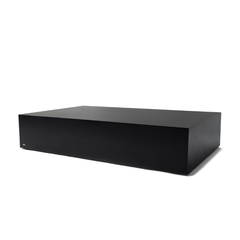
A Fire Table combines heating and furniture into one outdoor feature.
Instead of a traditional fire pit sitting awkwardly in the middle of the yard, a Fire Table includes a practical tabletop surface surrounding the burner itself. Guests can comfortably place drinks, snacks, or plates around the flame while staying warm outdoors.
Most Fire Tables include:
- A central burner tray
- Decorative fire media
- Hidden fuel storage or gas connections
- A surrounding tabletop rim
Some sit low like outdoor coffee tables, while others are built at dining height for entertaining during meals.
One Brisbane homeowner joked their Fire Table had become “the outdoor version of the kitchen island”. Everyone naturally gathered around it every weekend.
That tends to happen surprisingly quickly.
Gas vs. Propane Systems: How Do Gas Fire Tables Work Compared to Hidden Tank Models?
The biggest difference between Fire Tables usually comes down to fuel supply.
Natural gas models connect directly to your home’s gas line. That creates a permanent setup with endless fuel supply and no bottles to refill.
Propane Fire Tables work differently. They use portable LPG cylinders, which are often hidden neatly inside the table base itself.
Once operating, both systems function very similarly:
- Gas flows through the regulator
- Fuel reaches the burner ports
- The igniter sparks the flame
- Decorative media spreads heat evenly
Natural gas feels more seamless long-term, while propane offers greater flexibility because the Fire Table can move around the patio more easily.
The right choice depends on whether your setup is fixed or constantly changing.
Liquid Propane Mechanics: Exactly How Do Propane Fire Tables Work Behind the Scenes?
Propane systems are much simpler than most people expect.
Inside the Fire Table base sits a standard LPG bottle connected to a regulator and gas hose. The regulator controls fuel pressure before gas travels into the burner assembly.
When the ignition button is pressed:
- Gas enters the burner ports
- The igniter creates a spark
- Flames spread across the burner tray
Ventilation panels built into the base allow airflow around the hidden gas bottle safely.
Most homeowners are surprised how straightforward the entire process feels once they use one properly for the first time.
Honestly, setting up a Fire Table is usually easier than assembling flat-pack outdoor furniture without losing patience halfway through.

Structural Profiles: Integrating a Multi-Functional Fire Table Feature Into Your Patio Space
A Fire Table is not just about warmth. It changes how people use outdoor spaces altogether.
The right setup naturally encourages people to stay outside longer, especially once temperatures drop.
Low-Profile Entertaining: Designing an Elegant Lounge Around a Firepit Coffee Table
Low-profile Fire Tables work brilliantly in relaxed lounge areas.
These designs typically sit at coffee table height and pair beautifully with:
- Modular lounges
- Outdoor sofas
- Deep cushioned seating
- Casual entertaining layouts
The lower flame height creates a softer atmosphere while still delivering comfortable radiant warmth around the seating area.
One Melbourne homeowner admitted their Fire Table accidentally became the “official storytelling corner” during family gatherings because everybody naturally drifted towards it once the sun went down.
That is one of the best things about them. People gather around fire instinctively.
Elevated Dining Setups: Choosing a Full-Height Firepit Dining Table for Outdoor Meals
Dining-height Fire Tables create a different kind of outdoor experience.
These taller models combine heating with a functional dining surface, allowing guests to comfortably enjoy meals around the flame itself.
They work especially well for:
- Family dinners
- Entertaining guests
- Covered alfresco areas
- Outdoor kitchens
The flame becomes part of the dining atmosphere rather than simply background heating.
It is surprisingly difficult to rush through dinner when a warm Fire Table is glowing in the middle of the table.

Operation and Protection: Mastering How to Use Fire Table Features Safely
Modern Fire Tables are designed with safety as a major priority, but proper setup still matters enormously.
A little preparation keeps everything operating smoothly and safely long-term.
Critical Evaluation: Are Fire Tables Safe to Use on Wooden Decks and Covered Patios?
In many cases, yes. But installation matters.
Most quality Fire Tables include:
- Heat shielding
- Ventilation systems
- Raised burner trays
- Clearance recommendations
Manufacturers usually provide minimum distance requirements from combustible materials like timber railings, pergola roofs, outdoor cushions, or walls.
Wooden decks are generally suitable if:
- The Fire Table is certified for deck use
- Proper spacing is maintained
- Ventilation remains unobstructed
- Heat protection systems stay intact
Covered patios require additional care because overhead airflow becomes more limited.
Whenever uncertainty exists, it is always worth speaking with a licensed gas fitter or following manufacturer guidelines carefully.
The Burner Assembly: How Air Mixers and Venturi Tubes Prevent Dangerous Gas Backfires
This is where the hidden engineering becomes genuinely clever.
Inside the burner assembly, Venturi tubes mix incoming gas with oxygen before ignition occurs. This balanced fuel-air mixture helps create cleaner combustion and reduces the risk of dangerous backfires.
Air mixers also stabilise the flame and improve burner efficiency overall.
Without proper airflow, burners can:
- Produce uneven flames
- Create soot
- Trigger delayed ignition
- Struggle during windy conditions
Premium Fire Tables are specifically engineered to avoid those problems.
Decorative Media Dynamics: How Fire Glass and Lava Rock Diffuse Gas for Even Flame Patterns
The decorative media does far more than improve appearance.
Lava rock and tempered fire glass help:
- Spread flames evenly
- Protect the burner system
- Retain warmth
- Improve flame appearance
Lava rock creates a more natural campfire feel, while reflective fire glass delivers a cleaner and more modern look.
Many homeowners combine both materials for balance.
The important part is avoiding overfilling the tray. Too much media can restrict airflow and weaken flame performance significantly.
Alternative Outdoor Fixtures: How Do Fire Tubs Work and Compare to Sleek Gas Tables?
Fire tubs work similarly to Fire Tables but focus more heavily on the flame itself rather than functional tabletop space.
They usually feature:
- Deeper bowls
- Wider exposed flames
- Traditional fire pit styling
Fire Tables prioritise practical entertaining alongside warmth.
Some homeowners love dramatic open flames. Others prefer having somewhere safe to place wine glasses and grazing boards during gatherings.
Both approaches work perfectly well depending on the outdoor space.
Micro-Spaces and Small Form Factors: Setting Up a Compact Table Top Fire Pit or Table Fire Pit Outdoor Accent
Not every outdoor area needs a massive Fire Table.
Smaller tabletop fire pits work beautifully in:
- Apartment balconies
- Compact courtyards
- Small patios
- Urban terraces
These smaller units still create warmth and atmosphere without overwhelming the space.
They also tend to be:
- Easier to move
- Simpler to maintain
- More affordable
- Better suited to tighter layouts
Sometimes smaller genuinely creates a more balanced outdoor setup.
Final Selection: Choosing the Best Setup for Your Patio with a Complete Firepit Table Set Checklist
The best Fire Table setup balances warmth, safety, functionality, and style without overcrowding the patio itself.
Before choosing one, always consider:
- Fuel type
- Patio size
- Seating layout
- Ventilation
- Burner quality
- Weather exposure
- Desired table height
Once those elements work together properly, a Fire Table becomes far more than outdoor furniture.
It becomes the place where conversations drag on longer than planned, guests stay later than expected, and chilly evenings suddenly feel like something worth looking forward to.