Ever hosted a get-together where everyone slowly migrates closer to the fire table as the evening cools down? The short answer: every EcoSmart fire table puts out the same fixed 6 kW (21.56 MJ/h), so no single model in the range gives off more heat than another the way high-BTU gas burners used to compete on paper. What actually changes how warm you feel is wind protection, seating distance and the material the table's made from. Keep reading for what really moves the needle.
Why Output Doesn't Vary Between Models
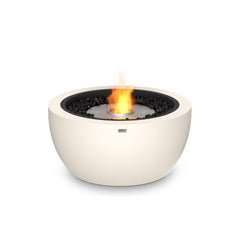
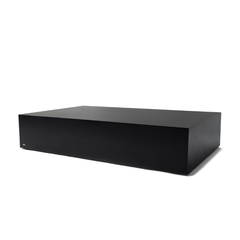
Gas fire tables used to be sold on their BTU rating, because a bigger burner and a bigger fuel line genuinely meant more heat. EcoSmart's AB8 burner is a standardised design used across the whole EcoSmart range, so every fire feature built around it, whether it's the compact Pod 30 fire pit or the Base 40 fire table, produces the same fixed 6 kW, rated to heat up to 60 m² as supplemental zone warmth. There isn't a "hotter" model to upgrade to.
What Actually Changes How Warm You Feel
Wind Protection
Wind is one of the biggest reasons a fire table feels weaker than it should. A glass wind guard or fire screen around the flame stabilises it and keeps more of that heat where people are actually sitting, instead of letting a breeze scatter it across the patio. EcoSmart's L50 Fire Screen and S22 Cover Plate both do this job, sitting around the burner without changing anything inside the tray.
Seating Distance
How close guests sit to the flame changes how warm they feel more than anything else in the setup. That's a layout decision, not a product one, and it's worth working out your seating arrangement around the flame before deciding the table itself isn't warm enough.
Material and Heat Retention
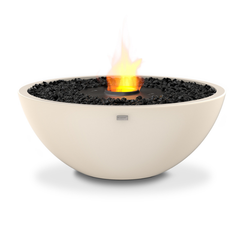
The tabletop material changes how heat lingers, even though the flame output is identical. GFRC concrete, like the Base 40's concrete finish, absorbs warmth into the material itself and holds onto it, so the area around the table stays comfortable even as the flame settles. A lighter finish like the Base 40's teak option won't retain residual warmth in the same way, though it runs the identical burner and output.
Indoor Versus Outdoor Heat Delivery
Used indoors, with the Indoor Safety Tray and included AB8 Efficiency Ring fitted, a minimum 116 m³ room and proper ventilation, the same 6 kW feels considerably warmer than outdoors, because the room contains the heat instead of letting wind and open air disperse it. Outdoors, the same output is working against a much bigger, less forgiving space, which is exactly why the accessories above (wind guards, sensible seating distance) matter more outdoors than they ever will indoors.
Supplemental Heat, Not Central Heating
Because there's no flue and nothing to vent, more of the heat a bioethanol fire table produces actually stays where you are: over 90% of it stays in the room or on the patio around it, compared with roughly 30% that's lost straight up a flue with gas or wood. That efficiency is real, but it doesn't change the fundamental point: 6 kW is supplemental zone heating and a focal point, not a replacement for whole-home or whole-patio heating.
The Bottom Line
No EcoSmart fire table gives off more heat than another, because they all run the same burner and the same output. If you want to feel warmer around one, the answer is wind protection, sensible seating distance and a material that holds heat well, not a bigger model that doesn't exist. That's a genuinely different way to shop than the old high-BTU approach, but once you know the burner is standardised, it's a much simpler one. Browse the full Ethanol Fire Tables range, or the wider Fire & Warmth collection for wind guards and covers.
You May Also Like:
About the author:
“I have a real passion for helping transform outdoor spaces so people can relax, connect and entertain with confidence and pride. With My Acre, I love guiding homeowners to create beautiful and functional outdoor living areas."