How warm is a fire table, really? Short answer: EcoSmart's AB8 burner puts out 6 kW (21.56 MJ/h), enough to comfortably warm a zone of up to 60 m². It's built as supplemental, zone-style heating and a genuine focal point, not a replacement for whole-home heating. Here's what actually affects how warm it feels.
What "Warm" Actually Means Here
6 kW is a real, useful number, but it's worth being honest about what it's for: creating a comfortable, gathered-around warmth for the seating nearest the flame, not heating an entire alfresco area like a patio heater would. Think of it as the reason people linger outside after dinner rather than the reason you'd skip turning the inside heating on.
It's a genuinely different job to a gas patio heater, which is built to push heat down over a wider standing area from height. A fire table works at table height, radiating outward and downward into whatever seating is arranged around it. That's a feature, not a shortfall: it's why people end up sitting close and talking for another hour, rather than standing under a heater for warmth alone.
Getting the Most Heat Where You're Sitting
Wind is the biggest thing working against you outdoors. A glass wind guard, like the L50 Fire Screen, shields the flame from breezes that would otherwise carry the warmth away before it reaches anyone, and it keeps the flame itself steadier in the process.
Respect the 600 mm minimum clearance from fixed objects when positioning seating, but within that, closer to the flame naturally means more noticeable warmth. A covered patio or a spot with some shelter from prevailing wind will always feel warmer than the same fire table sitting fully exposed, even with identical output.
Indoor vs Outdoor Performance
Outdoors, warmth naturally disperses into open air, so the 60 m² figure is really about the zone immediately around the fire table, not the whole yard. Indoors, with the Indoor Safety Tray and AB8 Efficiency Ring fitted in a room of at least 116 m³ with adequate ventilation, that same 6 kW output works in an enclosed space instead, which is a genuinely different, and more noticeable, heating experience than the same unit outdoors.
Does the Base Material Change the Warmth?
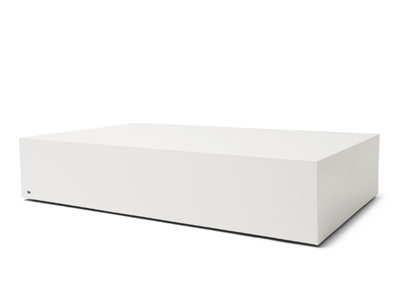
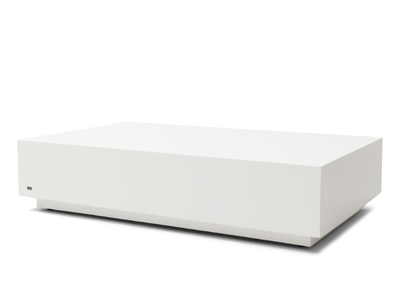
Not the output, the burner is identical either way, but concrete and teak do behave a little differently once they've been sitting near a flame for a while. Concrete tends to hold and release warmth more gradually; teak responds a little faster. Neither is better, it's a feel preference more than a performance one.
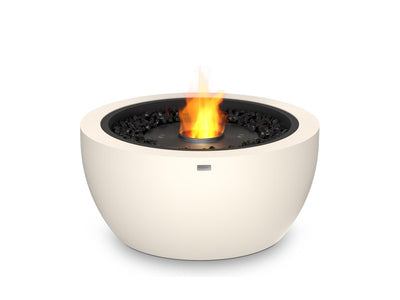
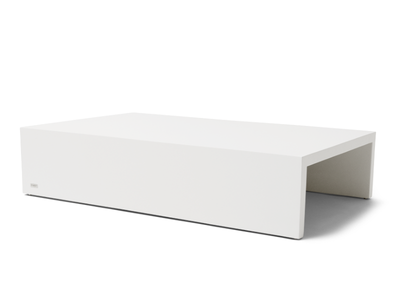
Table size doesn't change the output either. The larger Fire Base 40 and the smaller Pod 30 both run the same AB8 burner and put out the same 6 kW, so choosing between them comes down to how much tabletop and floor space you actually have, not how much heat you're chasing.
Running Cost Scales With the Flame
Heat and fuel cost move together. At full flame, the AB8 burns around 1.1 L/hr of e-NRG bioethanol, roughly $6.90 to $7.60 an hour delivered. Fit the Efficiency Ring and fuel use drops, for a slightly gentler but still genuinely warm flame that also stretches a full tank from 7–9 hours to 9–11.
That trade-off is worth knowing before your first cold snap. Full flame makes sense for a shorter, colder evening where you want maximum warmth quickly; the Efficiency Ring suits a longer, more relaxed night where steady ambience matters more than peak heat. Neither setting changes the 6 kW rating on the box, it's simply how much of that output you're drawing on at once.
Setting Expectations Before You Buy
None of this makes a fire table a poor heating choice, it makes it the right heating choice for a specific job: warming the people sitting around it, not the whole backyard. If you're after that, plus a genuine flame and none of the smoke or mess of wood, 6 kW delivered cleanly and consistently is a solid number to build an evening around.
A fire table was never meant to replace a patio heater or a fireplace, it's built to be the warm centre everyone naturally gathers around. Get the wind guard, clearance and placement right, and 6 kW goes a long way on a cool evening.
Frequently asked questions
How warm is a fire table?
EcoSmart's AB8 burner puts out 6 kW (21.56 MJ/h), enough to comfortably warm a zone of up to 60 m² around the table. It is supplemental, zone-style heating for the seating nearest the flame, not whole-home heating.
Does a fire table heat like a patio heater?
No. A gas patio heater pushes heat down over a wide standing area from height; a fire table works at table height, radiating outward and downward into the seating around it, which is why people sit close and linger.
How do you get the most warmth from a fire table?
Shelter the flame from wind with a glass wind guard, keep seating within the 600 mm minimum clearance but close, and place it somewhere with some shelter. A covered or sheltered spot always feels warmer than a fully exposed one.
Does fire table size change how warm it is?
No. The Fire Base 40 and the smaller Pod 30 both run the same AB8 burner at 6 kW, so size is about tabletop and floor space, not heat output.
You May Also Like:
About the author:
“I have a real passion for helping transform outdoor spaces so people can relax, connect and entertain with confidence and pride. With My Acre, I love guiding homeowners to create beautiful and functional outdoor living areas."