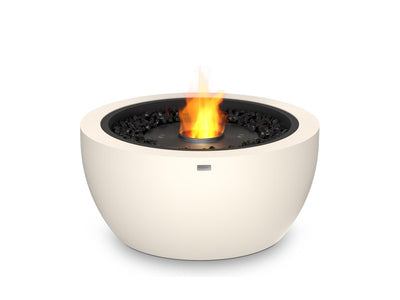
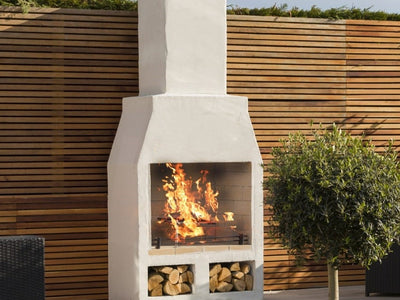
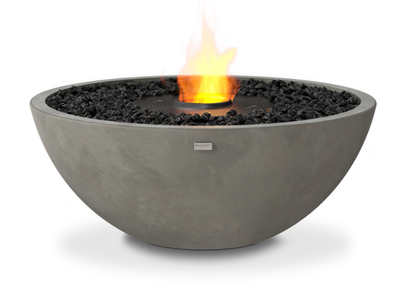
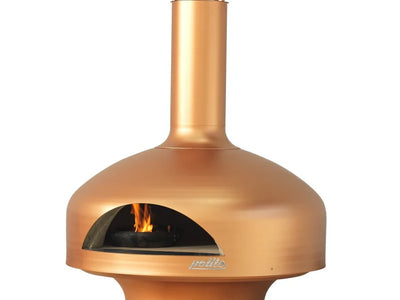
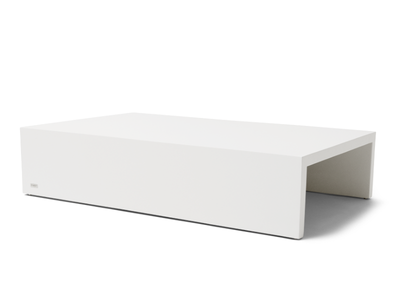
Buying a Fire Table without checking the material first is a bit like buying outdoor cushions in white: brave, but risky in Australia. The short answer: powder-coated aluminium, GFRC concrete and marine-grade stainless steel are the standout materials for a Fire Table, because they handle Australian sun, salt air and sustained heat without falling apart. Keep reading for what actually holds up outdoors, and what to leave at the garden centre.
Why Material Choice Matters Outdoors
Australian outdoor spaces are hard on furniture. A Fire Table has to handle constant heat, swinging temperatures, moisture, UV and the odd spilled drink, without cracking, fading or rusting within a couple of summers.
Material affects more than durability. It changes how the tabletop retains heat, how heavy the piece is to reposition, how much cleaning it needs, and how it ages. A well-made Fire Table should still look good in five years, not like something rescued from hard rubbish.
The Two Standouts: GFRC Concrete and Powder-Coated Aluminium
GFRC Concrete
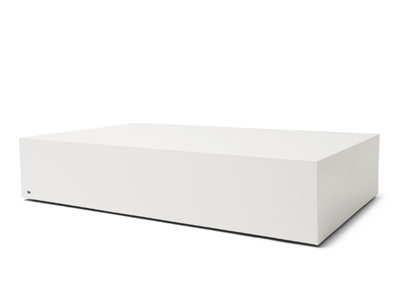
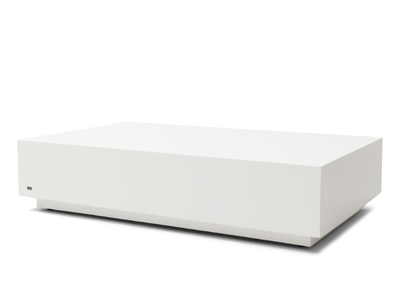
Glass fibre reinforced concrete (GFRC) has become a favourite in Australian outdoor design, and for good reason. Unlike plain concrete, it's reinforced with fibres that improve structural strength and reduce cracking, which matters because outdoor surfaces expand and contract constantly under Australian heat.
GFRC also handles heat well. It absorbs warmth gradually and holds it, giving a softer, steadier feel around the seating area rather than a sharp blast of heat. Visually it suits almost anything: coastal homes, contemporary patios, minimalist courtyards, timber deck entertaining areas. The trade-off is weight; GFRC Fire Tables aren't easy to move once positioned, but most people buying one are after a permanent piece anyway.
Marine-Grade Powder-Coated Aluminium
If you're anywhere near the coast, aluminium starts making sense quickly. Marine-grade powder-coated aluminium resists rust and corrosion in salty air far better than standard steel, and it doesn't slowly deteriorate beneath the surface the way painted steel can. It's also considerably lighter than concrete or cast iron, which makes rearranging the outdoor layout much easier during a renovation or a change of season.
Quality powder coating holds up well under UV, where cheap paint finishes chalk and fade within a year or two in Australian sun. Maintenance is genuinely low: an occasional wipe-down and basic weather protection is usually all it needs.
Comparing the Alternatives
Stainless Steel, Cast Iron and Natural Stone
Stainless steel remains popular because it balances durability, heat resistance and low maintenance, and it performs especially well in coastal environments. Cast iron takes the opposite approach: it's extremely durable and holds heat beautifully, but it's heavy and needs more upkeep to keep rust at bay. Once positioned, a cast iron Fire Table tends to stay exactly where it is.
Natural stone finishes, granite and quartz overlays in particular, create a genuinely premium look and handle heat well, but they come with real weight and cost. Porous materials also need protection from moisture; trapped water expanding and contracting under repeated heat cycles is what eventually causes cracking in cheaper stone or masonry surfaces, so a breathable outdoor cover is worth the modest cost if your Fire Table sits somewhere exposed.
What's Inside Matters as Much as What's Visible
The tabletop finish gets all the attention, but the burner itself matters just as much. EcoSmart's AB8 burner, used across our fire tables, is made from Grade 304 stainless steel specifically because it resists corrosion under repeated heat exposure far better than lower-grade steel. Cheap internal components are usually the first thing to fail on a poorly made unit, showing up as rust around the burner, an uneven flame or surface pitting well before the outer shell shows any wear.
Tabletop rim design matters too. A wide, well-proportioned rim keeps the outer edge comfortable to rest a hand or a drink near, and creates sensible separation between the flame and the surfaces people actually touch during a gathering.
The Verdict
There's no single perfect material for every household. For most Australian outdoor spaces, GFRC concrete and marine-grade powder-coated aluminium consistently offer the best balance of durability, heat resistance, weather protection and long-term value. Stainless steel remains the standard for the burner itself and for coastal performance, while natural stone earns its place in high-end entertaining areas where the extra weight and cost are part of the appeal.
The right choice ultimately comes down to your climate, your outdoor layout and how heavily the Fire Table will be used. Choose carefully, and it becomes far more than outdoor furniture: it becomes the spot everybody gathers around once the sun goes down.
Frequently asked questions
What is the best material for a fire table?
For Australian conditions, GFRC concrete and marine-grade powder-coated aluminium offer the best balance of durability, heat resistance and weather protection, while grade 304 stainless steel is the standard for the burner itself.
Why is GFRC concrete good for a fire table?
Glass fibre reinforced concrete is reinforced against cracking as surfaces expand and contract in the heat, absorbs and holds warmth gradually, and suits most outdoor styles. The trade-off is weight, so it suits a permanent position.
What burner material should a fire table have?
Grade 304 stainless steel. EcoSmart's AB8 burner uses it because it resists corrosion under repeated heat far better than lower-grade steel. Cheap internal components are usually the first thing to fail.
What material suits a coastal fire table?
Marine-grade powder-coated aluminium and stainless steel resist salt-air corrosion better than standard or painted steel. Rinse the metal surfaces with fresh water occasionally to clear salt build-up.
You May Also Like:
About the author:
“I have a real passion for helping transform outdoor spaces so people can relax, connect and entertain with confidence and pride. With My Acre, I love guiding homeowners to create beautiful and functional outdoor living areas."