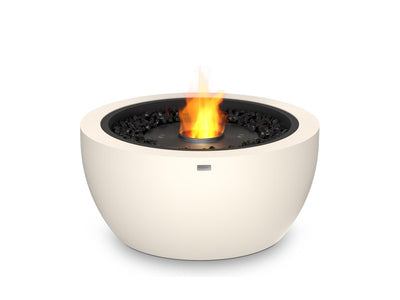
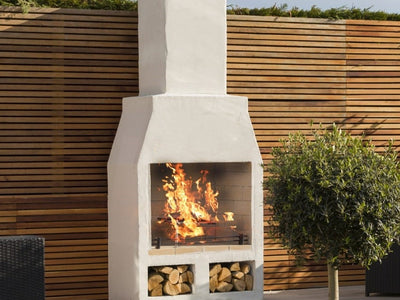
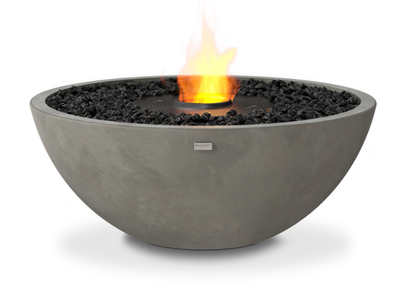
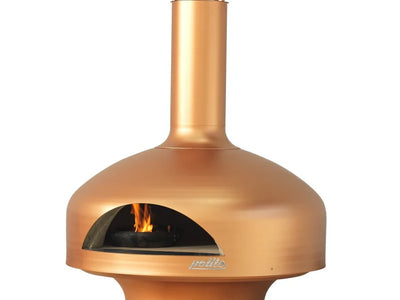
Bonfires or backyard luxury? A fire pit creates a rustic campfire vibe, while a fire table adds sleek style and dining convenience. Still undecided? Keep reading to see which outdoor feature actually suits your space and entertaining style.
The Core Structural Difference
At first glance a fire pit and a fire table might seem similar. Both create warmth and a reason to stay outside after dark. Use them for an evening, though, and the differences show up fast. A fire pit feels casual and social, closer to a campsite at home. A fire table feels more like a piece of outdoor furniture that happens to have a flame running through the middle of it.
What Is a Fire Table?
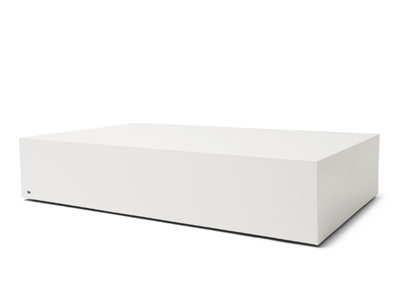
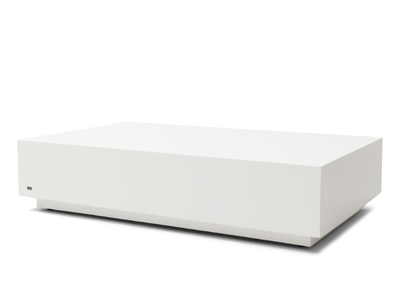
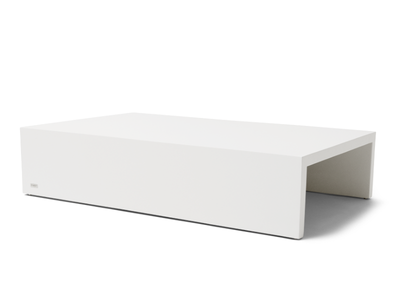
A fire table is designed to do more than throw heat around the patio, it acts as a genuine centrepiece while doubling as usable furniture. EcoSmart's bioethanol tables run on an AB8 stainless steel burner and tempered glass fire media, lit with a stainless steel lighting rod rather than a match held near your knuckles. There's no gas bottle to hide and no smoke drifting into anyone's conversation, just heat, steam and a little carbon dioxide leaving a clean flame.
What Is a Fire Pit Used For?
A fire pit is all about atmosphere. Wood-burning pits are popular because they create that authentic crackle and smoky smell people associate with camping trips, and they suit larger backyards with room for built-in seating around an open flame. Unlike a fire table, practicality comes second, you're choosing it for the experience rather than somewhere to rest a cheese board.
Matching the Feature to How You Entertain
Choosing between the two often comes down to how you actually use your outdoor space. Some people want a laid-back setup where guests gather around an open flame; others want a tidy, low-maintenance area that feels more like an outdoor living room. Neither is wrong, it depends on your lifestyle.
Wood Fire Pit vs Bioethanol Fire Table
A wood fire pit is raw and traditional: you hear the crackle, smell the smoke, and someone has to keep feeding the fire and clean up the ash afterwards. A bioethanol fire table is the opposite. Fill the burner, light it with the rod, enjoy a steady flame, then let it cool before topping up again. For smaller patios or suburban homes where smoke drifting over a fence can become an issue, a fire table makes everyday entertaining considerably easier.
Fire Pit vs BBQ for Cooking
A fire pit can handle casual cooking, marshmallows and sausages work fine over an open flame, but it's no substitute for a proper barbecue if you're regularly cooking for a group. A fire table isn't designed for cooking at all; the focus is ambience and warmth, not a cooking surface.
Fire Pit vs Bonfire
A bonfire is the oversized cousin of a fire pit, bigger, hotter and built for large gatherings rather than everyday use. A fire pit offers a similar atmosphere on a safer, more manageable scale. A fire table sits at the opposite end again, prioritising balance and design over sheer flame size, so the fire becomes part of the setting rather than the entire event.
Installation and Safety
Whichever option you choose, safety matters as much as looks. EcoSmart fire tables are freestanding and self-contained, with no gas line, no flue and no tradesperson required; the table simply sits on a level, non-combustible surface and levels itself on uneven paving with articulating feet. Keep at least 2,000 mm of clearance above the burner and 600 mm from fixed objects, timber walls or overhanging branches, whether it's a fire pit or a fire table. A wood fire pit needs the same breathing room, plus a clear break from dry grass or garden beds during fire-ban season.
Covers matter for both. Rigid lids protect burners and glass media from debris and moisture, while weather-resistant fabric covers help preserve the finish when the feature isn't in use. A little maintenance goes a long way toward keeping either option looking sharp for years.
Which One Actually Suits You
This decision comes down to personality and lifestyle. A traditional fire pit delivers a classic, social, rustic outdoor experience. A fire table suits homeowners chasing a more refined entertaining area, combining warmth and practicality without the smoke or the mess. Some people want camping vibes, others want a resort feel in their own backyard. Either way, both can genuinely change how much you use your outdoor space year-round.
Frequently asked questions
What is the difference between a fire pit and a fire table?
A fire pit creates a casual, campfire-style atmosphere, often wood-burning, while a fire table is a piece of outdoor furniture with a contained flame through the middle. EcoSmart's bioethanol tables run clean, with no gas bottle, smoke or ash.
Is a fire pit or a fire table better for a suburban backyard?
A bioethanol fire table usually suits suburban homes better, since there is no smoke to drift over a fence and no ash to clean up. A wood fire pit suits larger yards where smoke and mess are less of an issue.
Can you cook on a fire pit or a fire table?
A wood fire pit handles casual cooking like marshmallows, though a barbecue is better for real cooking. A bioethanol fire table is not designed for cooking at all; it is built for warmth and ambience.
What clearance do a fire pit and fire table need?
EcoSmart fire tables need at least 2,000 mm above the burner and 600 mm from fixed objects, on a level, non-combustible base. A wood fire pit needs the same breathing room plus a clear break from dry grass during fire-ban season.
You May Also Like:
About the author:
“I have a real passion for helping transform outdoor spaces so people can relax, connect and entertain with confidence and pride. With My Acre, I love guiding homeowners to create beautiful and functional outdoor living areas."