What plants should not go in a greenhouse? Wind-pollinated crops, chill-dependent fruit trees, sprawling vines and cool-season greens in summer. Most greenhouses in Australia run hot and still, so the trick is knowing which plants suffer for it. Here's the list, plus what to grow instead.

Environmental And Space Limitations For Indoor Growing
A greenhouse traps heat, holds humidity and cuts the wind out. Those are the same reasons some crops do brilliantly under cover and others go backwards.
Heat is the big one through an Australian summer. Without roof vents, side vents and a bit of shade cloth, the air inside climbs well past what most greens will tolerate. Anything that bolts in warm weather will bolt faster in there.
Humidity is the second catch. Still, damp air sitting on leaves is how fungal problems get started. That's why Mediterranean herbs like rosemary, lavender, thyme and oregano are usually better off outside. They want dry air, lean soil and a breeze; a humid greenhouse gives them none of it.
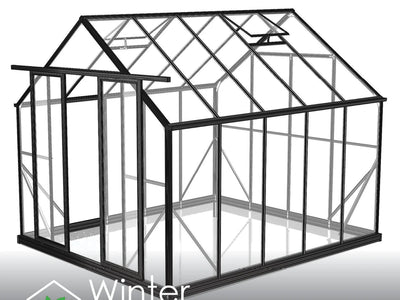
Then there's floor space. A greenhouse bed is expensive real estate, so every plant in it should earn its keep. Anything that grows huge or takes half a year to mature is using space a tomato could have. Ventilation and glazing choices matter here too, and our polycarbonate greenhouse buying guide walks through what to look for.
Crops Requiring Wind Pollination
Some plants rely on moving air to shift pollen around. Take the wind away and you get flowers without fruit. A greenhouse is about the stillest place in the garden, so these crops are the first ones to leave outside.
Sweet Corn
Sweet corn carries its pollen up on the tassel and drops it onto the silks below. That transfer needs moving air; it needs plenty of neighbouring plants close by. NSW DPIRD's sweet corn guide names poor pollination as a cause of incomplete tip fill on the cob. It advises commercial growers to isolate supersweet crops by 400 metres or stagger plantings by 14 to 21 days, which tells you how far corn pollen travels on a breeze. A greenhouse gives it none of that.
Corn is also tall enough to shade out everything else on the bench. Plant it outdoors in a block rather than a single row, which gives the pollen a better chance of landing where it should.
Hand Pollinating What You Do Grow
Still air is the problem, and it affects more than sweetcorn. Tomatoes, capsicum and chillies are self-fertile but they still need movement to shed pollen. Heat compounds it: the Queensland Department of Agriculture and Fisheries attributes poor tomato fruit set above 27 degrees to reduced pollen release and viability rather than to the plant giving up.
The fix takes seconds. Tap or gently shake the flower trusses every couple of days while they're in flower, or run a small fan on low. Cucumbers and zucchini are different again, since many need pollen moved between separate male and female flowers, so a soft brush does the job if bees aren't getting in.
Deep-Rooted And Excessively Large Varieties
Size is the simplest reason to keep a plant out. If it grows taller than the ridge or wider than the path, it's going to shade its neighbours and block airflow.
Sprawling Pumpkins And Melons
Pumpkins, melons and watermelons are the space trap. One plant will run several metres and swallow a whole bed for a handful of fruit, and they want heat and room rather than shelter.
They grow perfectly well outside through an Australian summer, so give them a sunny corner of the yard and keep the greenhouse for crops that actually reward the protected space.
Invasive And Rampant Vines
Pumpkins, melons, chokos and passionfruit put on serious length in a single season. They'll run along the floor, up the frame and over the bench, smothering whatever is underneath. Sunflowers are the same story on height: better used as a windbreak around the outside of the greenhouse.
Mint gets lumped in with this group, but it isn't really a greenhouse problem. Mint spreads through the soil, so the fix is a pot, not a ban. Keep it contained and it's fine on a bench.

Cold-Dependent And Chill-Requiring Species
A greenhouse keeps the cold out, which is normally the point. For a few plants, cold is exactly what they need.
Winter-Dormant Fruit Trees
Apples, pears and cherries need a stretch of real winter cold before they'll flower properly. The Government of South Australia's fruit tree guidance puts apples, pears, kiwifruit and cherries in the high chill group. Keep them warm through June and July and you get patchy blossom and a poor set. The tree survives, it just doesn't fruit well.
Plant these outdoors and let them feel the season. In warmer parts of Australia, look for the low chill varieties bred for the climate rather than trying to grow a cold-climate tree under cover; South Australia's own guidance points Adelaide gardeners at low chill selections for exactly that reason.
Cool-Season Vegetables During Summer Heat
Lettuce, spinach, rocket, coriander and Asian greens all bolt when it gets hot. They run to seed, the leaves turn bitter, then the crop is finished. Applied Horticultural Research puts lettuce's suitable air temperature at 12 to 21 degrees, and notes that a few days at 32 degrees can cause enough damage to lose the crop. Under glass through December to February, a greenhouse clears 32 without trying.
Time them to the season instead. These are great greenhouse crops through autumn, winter and early spring. Over summer, grow them outside in a shaded spot and give the greenhouse space to something that likes the heat.
Space-Inefficient Root Vegetables
Some crops grow perfectly well under cover. They're just a poor use of the bed.
Carrots And Radishes
Carrots want deep, loose, stone-free soil and they sit there for months. That's a long occupation of a raised bed for something you can buy by the kilo. Radishes have the opposite problem: they're done in about a month and they're perfectly happy outdoors, so there's no reason to shelter them.
If you do sow radishes inside, keep them to the cooler months. Heat pushes them to flower early and the roots turn woody.
Potatoes
Potatoes need room to hill up, and the tops sprawl once they get going. They're a cheap, reliable outdoor crop that asks for nothing more than a bed or a grow bag. There's little to gain from putting them under cover.
There's a second reason to keep them out. Potatoes and tomatoes share pathogens: late blight attacks both crops, as WA's Department of Primary Industries and Regional Development sets out, so growing them apart lowers the risk of passing something on to your best greenhouse crop.
Incompatible Plant Pairings
Plenty of greenhouse trouble comes down to good plants in bad company. Two crops can both suit the space and still make each other miserable.
Managing Tomatoes And Cucumbers
Both are excellent greenhouse crops, but they want different air. Cucumbers like it warm and humid. Tomatoes prefer drier air with steady movement through the leaves, which keeps fungal problems down.
Put them at opposite ends and train both up strings or stakes so air can move between the plants. Keep the vents open on warm days, water at the base rather than over the leaves, and strip the lower foliage as the plants climb.
Heavy Feeders And Nutrient Competitors
Tomatoes, cucumbers, capsicums and brassicas are all hungry plants. Crowd them into one bed and they'll compete for the same nutrients, and every one of them ends up smaller than it should be. Give them proper spacing and feed through the season.
Rotate what goes where each year rather than replanting the same crop in the same soil. It spreads the nutrient load and keeps soil-borne disease from building up in one spot.

Recommended Equipment For Your Growing Setup
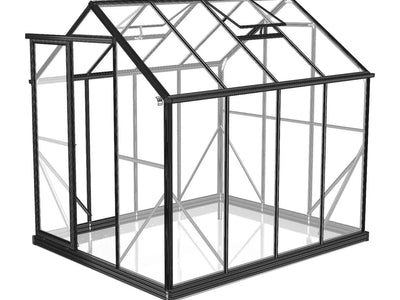
Space freed up by leaving corn, spuds and pumpkins outside is best spent on tomatoes, cucumbers, capsicums, chillies and seed raising. Those are the crops that repay a controlled environment. Browse the My Acre range of greenhouses to find a size and glazing that suits what you want to grow. Pair it with vents, shading and staging so the air keeps moving.
You May Also Like:
About the author:
“I have a real passion for helping transform outdoor spaces so people can relax, connect and entertain with confidence and pride. With My Acre, I love guiding homeowners to create beautiful and functional outdoor living areas."