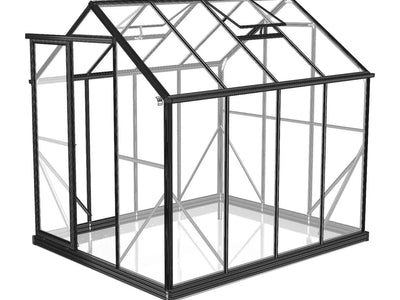
Should a greenhouse be put in the sun or shade? Sun, almost always. Most greenhouses want about six hours of direct light a day, with summer heat managed rather than avoided. Where you put it decides how much shading you'll need later.

Calculating the ideal daily light exposure for your plants
Start with what you plan to grow. Light is what drives photosynthesis, so the hours of direct sun a spot gets will set the ceiling on your yields.
Most edible crops want six hours or more of direct light through the growing season. Fruiting plants like tomatoes, capsicums and cucumbers do best closer to eight. Leafy greens and herbs are far more forgiving and will crop happily on a few hours.
Worth saying plainly: no standard sets those hours. They are working ranges from ordinary horticultural practice, and your variety, your season and your glazing will all move them. The temperature figures further down are the ones that come from published research.
Spend a weekend watching the spot you have in mind. Note when the sun hits it and when it drops into shadow. That beats guessing from a plan.
| Crop |
Direct sun per day |
Notes |
| Tomatoes |
8 hours or more |
Needs full sun for a decent crop |
| Eggplants and capsicums |
6 to 8 hours |
Like warmth as well as light |
| Spinach and lettuce |
2 to 4 hours |
Tolerate shade, prefer cooler conditions |

Should a greenhouse be in full sun all day?
In winter, yes. From June to August you want every hour of light you can get; an open position with nothing shading it is ideal.
In an Australian summer, all-day sun is a different story; the damage starts far lower than people expect. The Queensland Department of Agriculture and Fisheries puts the optimum for tomato fruit set at 18 to 24 degrees, with fruit setting reduced above 27 degrees. The fix is ventilation and shade cloth, not a shadier site.
Aim lower than you think. Holding the inside under 27 degrees protects fruit set; Applied Horticultural Research warns that a few days at 32 degrees can be enough to lose a lettuce crop entirely. Roof vents, a door left open and a removable shade cloth over the north and west faces will do most of the work. NSW DPIRD recommends venting capacity of at least 25 per cent of floor area in all but the coolest parts of Australia.
Is morning or afternoon sun better for a greenhouse?
Morning sun wins. It warms the structure early, dries the condensation off the glazing and gets the plants working sooner. Afternoon sun arrives when the greenhouse is already hot and adds heat you then have to shed.
The advantages of early morning light for warming the structure
Overnight, a greenhouse cools down close to outside temperature. Morning sun lifts it again quickly, which shortens the cold spell your plants sit through.
Drying that early moisture off leaves and glazing also cuts the risk of fungal problems like botrytis and mildew. A spot that catches the sun from about 7am onwards is worth chasing.
Managing intense conditions caused by late afternoon exposure
Late afternoon sun from the west is the harshest light of the day, and it lands when the greenhouse has already soaked up heat since morning. Plants near the western wall are usually the first to wilt.
If your only option catches a lot of western sun, plan for it. Shade cloth of around 30 to 50 percent on that side, a vent that opens automatically and a bit of thermal mass like a couple of water drums will all take the edge off.

Is 5 hours of afternoon sun enough for a vegetable garden?
Five hours will grow you food, but it changes what you should plant. Leafy greens, herbs, silverbeet, spring onions and radishes all do well on that.
Fruiting crops are the ones that struggle. Tomatoes and capsicums may still set fruit, though the harvest tends to be later and lighter than the same plants in a sunnier spot.
There's also the timing problem. Five hours of afternoon light means cold mornings and a hot back half of the day, so the temperature swing is wider. Watering in the morning and venting early helps even it out.
Strategies for positioning your setup in partially shaded locations
Not every block has an open sunny paddock going spare. Plenty of good greenhouses sit in partly shaded yards and still crop well, as long as you work with the shade instead of ignoring it.
One thing to get right first. In Australia the sun tracks across the northern sky, so northern light is what you're protecting. Advice about south-facing positions comes from the northern hemisphere and will send you the wrong way.
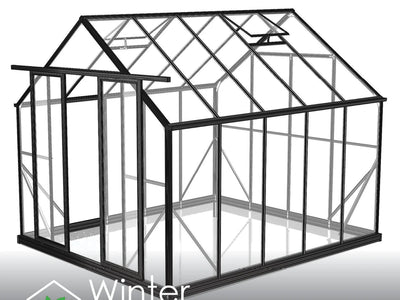
Run the long side of the greenhouse facing north. That gives you the most winter light, and it's also the face you'll want shade cloth on come summer.
One honest caveat. NSW DPIRD orients commercial greenhouses north-south, not east-west, because at that scale structural shadows from gutters and trusses matter more than winter light; cooling matters more than either. A backyard kit has no gutters casting shadow lines across a crop, so the winter-light argument holds. If you are putting up something large, take the commercial advice.
Working around existing trees and boundary fences
Map the shade before you dig. Anything tall on the northern side of the site will cast shade across your greenhouse for most of the day; it gets worse in winter when the sun sits lower.
Shade from the eastern or western side is less costly, since it only takes out part of the day. A tall fence on the southern boundary barely matters at all.
Leave at least a metre of clear space around the structure. You'll want the room for ventilation, gutter cleaning and getting a barrow past.
Utilising deciduous trees for seasonal canopy cover
A deciduous tree on the northern or western side is close to the perfect neighbour. It leafs up over summer and shades the greenhouse when the heat is worst, then drops its leaves in autumn and lets the winter sun back through.
Ornamental pears, Chinese elms and fruit trees like apples and plums all do this well. Keep them far enough back that the roots stay clear of your foundations, which usually means several metres for anything that will grow tall.
Protecting your glazing from falling debris and branches
Trees have a downside. Falling branches, gumnuts and hail all land on the roof, and glass panels crack.
Polycarbonate handles impact much better than glass, which is one reason it's the common choice on Australian blocks. Our polycarbonate greenhouse buying guide runs through panel thickness and what it means for durability.
Whatever glazing you pick, prune overhanging limbs back each year and clear leaf litter off the roof. Debris blocks light as effectively as shade does.
Maximising plant growth in low light environments
If the site is what it is, adjust the growing plan rather than fighting the site. Two things make the biggest difference: what you plant, and whether you top up the light.
It also pays to keep the glazing clean and to paint any internal framing or nearby walls white. Reflected light is free light, and in a dim spot it counts.
Choosing crop varieties that tolerate partial shade
Leafy crops are the obvious pick. Lettuce, rocket, spinach, silverbeet, Asian greens and most soft herbs all crop well on four hours of sun or less.
Root vegetables like radishes, beetroot and carrots also cope reasonably. Save the tomatoes, chillies and melons for a sunnier season or a sunnier spot, since they'll only disappoint in shade.
Shade has one quiet benefit. Leafy greens bolt to seed in the heat, so a cooler position often gives you a longer picking season over summer.
Supplementing natural conditions with artificial grow lights
LED grow lights can fill the gap in a shaded greenhouse, and they've come down in price a lot. A few hours on a timer in the early morning extends the day at the useful end.
Hang them close enough to matter, usually 30 to 60 centimetres above the canopy, and check the manufacturer's guidance. Any wiring or power outlet in a greenhouse needs to be installed by a licensed electrician, since you're mixing electricity with water. In NSW a licence is required for any electrical wiring work regardless of cost, residential or commercial.
Find the perfect greenhouse for your outdoor space
Sun beats shade nearly every time. Pick the brightest spot you've got, run the long side north, then manage the summer heat with vents and shade cloth.
Once you know where it's going, the next question is what size and glazing suit your block. Browse the My Acre range of greenhouses to find one that fits the space and the light you're working with.
You May Also Like:
About the author:
“I have a real passion for helping transform outdoor spaces so people can relax, connect and entertain with confidence and pride. With My Acre, I love guiding homeowners to create beautiful and functional outdoor living areas."