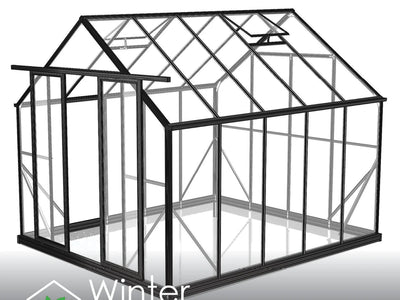
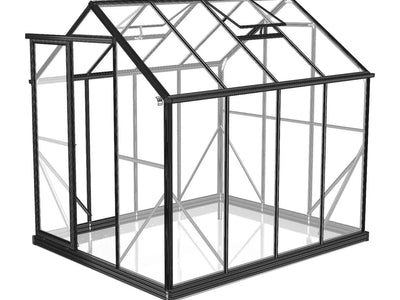
Short answer: a polycarbonate greenhouse is the practical choice for most Australian gardens. The panels are shatter-resistant, insulate better than single glazing, and diffuse harsh sunlight so plants are less likely to scorch. Paired with a powder-coated aluminium frame, they stand up to sun, wind and hail far better than a budget kit.
This guide covers how to choose one, how polycarbonate compares to glass, and what size suits your garden. The models referenced are from the polycarbonate greenhouses we curate at My Acre.
Why choose a polycarbonate greenhouse?
Polycarbonate glazing is the sweet spot between performance and durability for Australian conditions. It resists impact from hail and knocks where glass would crack, it holds warmth better than single glazing to even out cold nights, and it diffuses direct sun so light reaches plants without the hot spots that scorch leaves. It is also lighter, which makes a well-anchored frame easier to build and less fragile in wind.
Polycarbonate vs glass greenhouse
Both work; they suit different priorities. Glass is the clearer, more premium look and lasts decades, but it is heavier, more fragile and offers less insulation unless double-glazed. Polycarbonate is tougher, warmer and safer around children and pets, with a softer diffused light.
| Factor |
Polycarbonate |
Glass |
| Impact resistance |
High, resists hail and knocks |
Low, can shatter |
| Insulation |
Better, especially twin-wall |
Lower unless double-glazed |
| Light |
Diffused, reduces scorching |
Clear and direct |
| Weight and safety |
Light, safer if struck |
Heavy, sharp if broken |
| Look |
Contemporary, softer |
Traditional, premium clarity |
If you prefer the clarity of glass, the Winter Gardenz Elite range uses toughened glass in the same aluminium framing.
What size greenhouse do I need?
Width sets the layout, because it determines whether you have benches down one side or both. Length can usually be extended in bays.
-
6ft wide: a single bench with a path, ideal for a starter grower or a small courtyard.
-
8ft wide: benches down both sides with a central path, the popular home size.
-
10ft wide: room for benches, potting space and taller crops, for the serious gardener.
If you grow through a hot Australian summer, the MultiZone Growhouse pairs a polycarbonate growing zone with a shade-mesh zone, so you can protect tender plants from peak heat.
What to look for in an Australian greenhouse
-
Frame: a powder-coated aluminium frame resists rust and coastal corrosion far better than steel or timber.
-
Ventilation: roof autovents and a good door open the greenhouse up on hot days without you needing to be home.
-
Anchoring: a proper base and ground anchoring matter most in wind; never rely on weight alone.
-
Panels: UV-stabilised polycarbonate holds up to years of Australian sun without going brittle.
Every greenhouse at My Acre is a considered, well-made kit rather than a flat-pack throwaway, and ships with our price-beat promise and after-care. Browse the full range of polycarbonate greenhouses.
Frequently asked questions
Is a polycarbonate greenhouse better than glass?
For most Australian gardens, yes. Polycarbonate is shatter-resistant, insulates better and diffuses harsh sun to reduce scorching, and it is lighter and safer than glass. Glass offers clearer views and a more traditional look, but is heavier and more fragile.
Do polycarbonate greenhouses survive Australian sun and hail?
Quality UV-stabilised polycarbonate is made for it. It resists hail impact that would crack glass and holds up to years of sun without going brittle, provided you choose a UV-stabilised panel and a corrosion-resistant aluminium frame.
What size greenhouse should I buy?
Choose by width. A 6ft width suits a single bench and a small space, 8ft allows benches on both sides with a central path, and 10ft gives room for benches, potting and taller crops. Length can often be extended in bays later.
Do greenhouses need ventilation in Australia?
Yes. Roof autovents and a door are essential to release heat on hot days and prevent plants from cooking. Autovents open automatically as the temperature rises, which is valuable when you are not home.
You May Also Like:
About the author:
“I have a real passion for helping transform outdoor spaces so people can relax, connect and entertain with confidence and pride. With My Acre, I love guiding homeowners to create beautiful and functional outdoor living areas."