The most common greenhouse mistakes are poor ventilation, buying too small, and picking a bad spot. In Australia, greenhouses fail from summer heat far more often than cold. Here's what goes wrong at each stage, and how to avoid it.

Errors in planning and construction
Most greenhouse problems are locked in before a single seedling goes inside. The size you pick, the base you build and the spot you choose are hard to change later. Getting those three right saves years of frustration.
What are some common mistakes to avoid when building a DIY greenhouse?
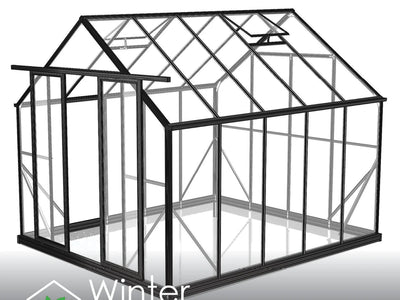
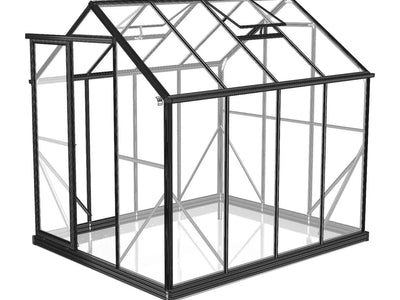
The biggest one is treating ventilation as an optional extra. NSW DPIRD calls cooling critical in the Australian environment and sets the target at venting capacity of at least 25 per cent of floor area, with 40 per cent desirable, plus 30 to 60 complete air changes an hour. Plan for roof vents, side vents and a door that can be propped open. Add an automatic vent opener so it works on the days you're not home.
The second is cheap covering material. Thin plastic film and unbranded panels go brittle and cloudy under Australian UV, which costs you light transmission before it costs you the panel. Look for UV-treated polycarbonate or glass, and check what the warranty actually covers, in years and against what. Our polycarbonate greenhouse buying guide walks through panel thickness and frame quality.
Other common slip-ups are worth watching for. Skipping the level, so doors bind and panels pop out. Forgetting water and power access, so you're dragging hoses and extension leads. Building it where you can't easily see it, so problems go unnoticed for days.
Buying a structure that is too small for future needs
Almost nobody regrets going bigger. Benches, pots and a bit of walking room eat up floor space fast. Plants also get taller and wider than the label suggests.
A cramped greenhouse also swings in temperature much faster than a larger one. Less air volume means less buffer, so it heats up quicker on a hot afternoon and cools down quicker overnight. If you're stuck between two sizes, take the larger one.
What are the downsides of greenhouses?
They need attention. In summer a greenhouse can climb well above the outside temperature within an hour. Venting and shading become a daily job, not a set-and-forget one.
Warm, still, humid air also suits pests and fungal disease. Aphids, spider mites and fungus gnats do well in there; so does powdery mildew. You're trading weather protection for a bit more hands-on management.
There's also the upfront cost, the base you have to build, and the ongoing cleaning. For most gardeners it's worth it. It's just fairer to know that going in.
Foundation and placement oversights
A greenhouse is only as good as what it sits on and where it sits. Both get rushed more often than anything else in the build.
What is the best base to put a greenhouse on?
A level, free-draining base that the frame can be bolted to. Compacted crushed rock inside a timber or steel perimeter frame is the usual choice for kit greenhouses. It drains well, it's cheap; it gives you something solid to anchor into.
A concrete slab or laid pavers work too, and they're easier to sweep out. Whatever you use, check it's level and square before the frame goes up. A base that's out by even a centimetre or two will fight you the whole way through assembly.
Avoid setting a greenhouse straight onto soft soil or lawn. It settles unevenly, water pools inside, and the frame slowly racks out of shape.
Should a greenhouse be put in the sun or shade?
Sun, with shade you can add and remove. Aim for a spot that gets plenty of light through the cooler months, and expect to throw shade cloth over it through summer.
In Australia, a north-facing aspect gets the most winter light. Morning sun with some afternoon protection is a good balance in hotter regions. Deep shade all day is the mistake to avoid, because you can't add light back, but you can always add shade.
Don't put it under gum trees. Falling limbs are the obvious risk, and the constant leaf litter, bark and sap on the roof cuts light and makes cleaning a regular chore.
Failing to anchor the frame securely against strong winds
Greenhouses are light and hollow, which makes them easy for wind to lift. Plenty have ended up in a neighbour's paddock after one bad night.
Bolt the frame to the base using the anchor points and fixings the manufacturer supplies, and use every fixing, corners included. If you're on an exposed block, ground anchors or a heavier concrete footing are worth the extra effort.
Keep the door shut in strong wind. An open door lets pressure build inside and puts real load on the roof panels.

Daily management and environmental hazards
Once the greenhouse is up, the mistakes shift from building to habits. Most of them come back to air, water and crowding.
What is the most common hazard in a greenhouse?
Overheating; it starts lower than people expect. The Queensland Department of Agriculture and Fisheries puts the optimum for tomato fruit set at 18 to 24 degrees, with fruit setting reduced above 27 degrees. A closed greenhouse on a still, sunny day clears 27 while the air outside still feels pleasant.
Heat stress shows up as wilting in the middle of the day, scorched or bleached leaf edges, flower drop and stalled growth. By the time you see it, the plant has usually been struggling for a while.
The fix is simple and boring: vent early, vent often, and shade before you think you need to. A max-min thermometer inside tells you what's really happening while you're at work.
Are greenhouses too hot in summer?
They can be, and in most of Australia they will be without help. Through December to February, an unshaded greenhouse is more of a problem than a benefit for a lot of crops.
Shade cloth is the first fix, fitted over the roof rather than draped on the plants. Shading products run from 30 per cent up to almost total blackout; DPIRD notes that shade cloth cools best when it sits outside the greenhouse, in a pale colour that reflects rather than absorbs. Automatic vent openers are the second, because they work at midday whether you're there or not.
Beyond that, leave the door open on hot days and run a small fan to keep air moving. Wetting the floor down in the morning takes some heat out of the space too. Some people simply move heat-sensitive plants outside for the peak of summer, which is a perfectly reasonable call.
Ignoring daily humidity levels and mould risks
Warm, damp, still air is what mould wants. Watering late in the day, then shutting the greenhouse up overnight, is the classic way to create it.
Water in the morning so foliage and surfaces dry before dark. Water the soil, not the leaves. Keep a bit of air moving with a small fan or a cracked vent, even in cooler weather.
Wipe up spills, clear dead leaves and fallen fruit, and don't let algae build up on the floor or benches. Condensation running down the panels is a signal to increase airflow. Don't just mop it off.

Plant selection and layout blunders
The other big daily mistake is cramming too much in. Crowded plants compete for light and water, and they choke the airflow that keeps disease down.
Space plants for the size they'll reach, not the size they are now. Group things with similar water and light needs together so watering doesn't turn into a compromise. Leave gaps between benches and containers so air can move through the canopy.
What plants should not go in a greenhouse?
Anything that doesn't need the protection. Hardy natives, established shrubs and most fruit trees do better in the ground outside, and they'll just take up room.
Sprawling crops are the other group to skip. Pumpkin, melon and sweet corn need more space and wind pollination than a home greenhouse can offer. Plants that need a proper cold winter to set fruit will also underperform in a warm, protected space.
Never bring in a plant that's already carrying pests or disease. One infested pot can spread through a greenhouse in days. Quarantine anything new for a week or two before it joins the rest.
Can you grow tomatoes and cucumbers together in a greenhouse?
Yes, and plenty of people do. It's a compromise rather than an ideal, because the two want slightly different conditions.
Cucumbers like it warm and humid. Tomatoes prefer drier air and steady airflow, since damp foliage invites fungal problems. In a small greenhouse you can't run two climates, so you split the difference.
The practical fix is to keep them at opposite ends. Put the cucumbers in the more sheltered spot and the tomatoes nearer the vents. Both are hungry and thirsty plants, so give them room and feed them properly.
What can I grow in a greenhouse all year round in Australia?
Leafy greens and herbs are the reliable year-round performers. Lettuce, rocket, spinach, silverbeet, basil, parsley, coriander and mint will keep going with a bit of seasonal management.
Chillies and capsicums often carry through more than one season under cover, especially in warmer states. Strawberries do well too.
The bigger win for most people is seedlings. A greenhouse lets you raise your own seedlings ahead of each planting window, which is worth more over a year than any single crop. Exactly what thrives depends on your climate zone, so expect to adjust as you learn your own setup.
Recommended greenhouse kits and essential accessories
If you're buying, put your money into frame strength, panel quality and proper ventilation before anything else. Those are the parts you can't upgrade later.
Browse the My Acre range of greenhouses to compare sizes and panel types. The greenhouse accessories cover shade cloth, vent openers, benching and thermometers. Buy the size up if you're torn, and sort out shade and airflow from day one.
You May Also Like:
About the author:
“I have a real passion for helping transform outdoor spaces so people can relax, connect and entertain with confidence and pride. With My Acre, I love guiding homeowners to create beautiful and functional outdoor living areas."