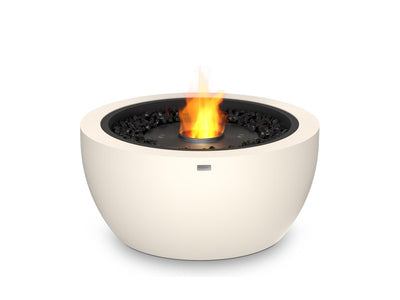
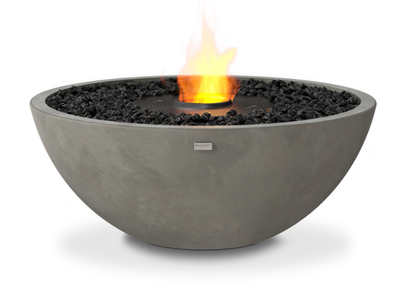
Short answer: A bioethanol fireplace needs no flue, no gas line and no tradie; fuel goes into the sealed burner and the supplied rod lights it. A wood fireplace needs a genuine installation, typically $1,000 to $5,500 for a certified wood heater alone, plus a compliance certificate before your insurer will cover it. The two are not remotely close on complexity, though they are much closer on ambience, which is where the real decision usually sits.
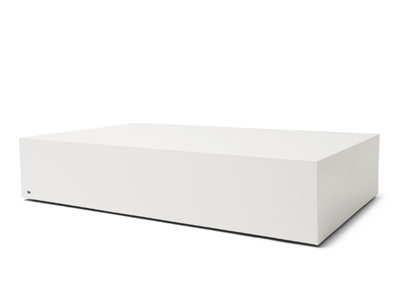
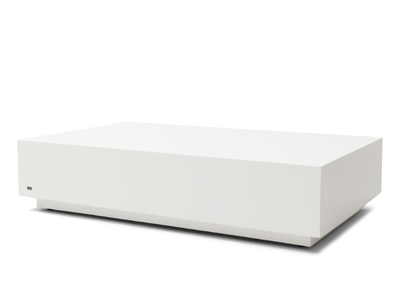
Browse our own EcoSmart Fire range or the Ochre Living range while you weigh up which one suits your space.
Install complexity: flue versus no flue
A wood heater install in Australia runs against Australian Standard AS/NZS 2918, which sets the minimum flue height, clearances and hearth rules a licensed installer has to follow. The flue has to run at least 4.6 metres above the hearth; a freestanding heater in a single-storey home sits toward the cheaper end of that published cost range. An inbuilt heater needing a new wall cavity climbs well past $3,000. Victoria requires the job to be carried out by a licensed plumber. Every proper installation should end with a compliance certificate, the kind your insurer will want to see.
A bioethanol fireplace skips every part of that process; there is no gas connection to run, no flue to size and nothing for a gasfitter to certify. Fuel goes in, the rod lights it, and the flame settles within a minute or so.
Where the Ochre Living kit sits differently
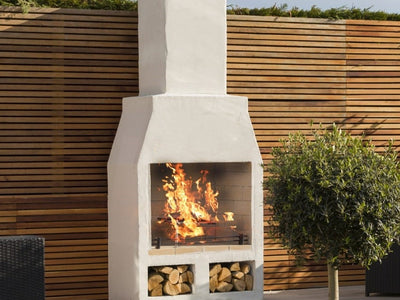
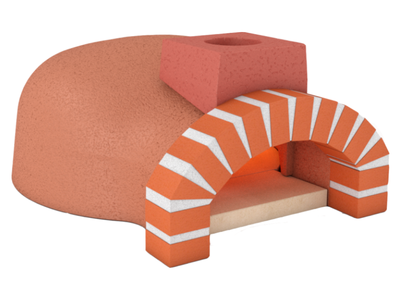
Not every wood fireplace fits the certified-installer picture described above. The Ochre Living Hotham is a modular kit built from volcanic pumice blocks, delivered on a single pallet and assembled by the owner rather than a tradie. Ochre Living’s own instructions allow about 1.5 hours for the body, one to two hours for the firebricks and another two for the render, with no specialist tools required at any stage.
That is quite a different cost structure, so the wood-heater install figures above do not translate to it directly. Installer fees are effectively traded for a weekend of assembly time instead. The Hotham still burns real seasoned wood, still needs a 75 mm clearance from anything combustible, and still deserves the same council or landlord check any open flame warrants before the first fire is lit in it.
Ambience people actually report
Wood keeps something bioethanol cannot fully replace. EcoSmart Fire’s own comparison concedes the point directly: “if it’s a weekend gathering around something that smells like every memory of a fire you’ve ever had, the answer leans wood.” That admission comes from the maker of the burner My Acre sells, not a sales line dressed up as a review.
A bioethanol flame still reads as real fire, just a quieter version of one. There is no smoke smell lingering on your jacket afterward; no shift in the wind sends the crowd away from the fireplace mid-conversation. What is missing is the crackle and the scent of real timber slowly breaking down.
The honest verdict
Wood remains the right answer when full atmosphere is the point: the smell, the crackle, a proper installation or a weekend spent building the Hotham yourself. Bioethanol wins outright on ease when the point is fire without any construction, permits or flue servicing sitting behind it.
Every EcoSmart fireplace ships with free delivery. If you find the same fireplace cheaper elsewhere, we will beat that price. Hayden checks the fit for your space before anything ships, follows up within a week of delivery, and handles any warranty claim on your behalf afterwards. Browse EcoSmart Fire or the Ochre Living range, or get a quote and Hayden will talk through which option actually suits your space. Ring 1300 515 620 if that is easier than a form.
You May Also Like:
About the author:
“I have a real passion for helping transform outdoor spaces so people can relax, connect and entertain with confidence and pride. With My Acre, I love guiding homeowners to create beautiful and functional outdoor living areas."