
Matt P
★★★★★
6 Sep 2026Purchased the retreat outdoor umbrella, had no isuues the quality is nothing but awesome would definitely recommend this product and my Acare was very easy to work with
Price beat promise.
The fire is the centrepiece of an Australian backyard. Everything else arranges itself around it.
View the full rangeBrands
Wood for the fire and the flavour, gas for a Tuesday. Plenty of people end up with one of each.
View the full rangeBrands
The cooking end of the outdoor room, with a fridge that keeps up in February.
View the full rangeBrands
Most umbrellas fail in the first serious wind. These are engineered not to. A louvre roof handles the rain as well.
View the full rangeBrands
Categories
Umbrella accessoriesPonds, waterfalls and fountains, with the pumps and filters that keep the water clear.
View the full rangeBrands
Start six weeks earlier in spring and keep growing through winter, in a greenhouse built for Australian sun.
View the full rangeBrands
Cast concrete, heavy enough to stay exactly where you put it, finished to weather the way stone does.
View the full rangeBrands
Categories
We are not manufacturers. We team up with the makers worth buying from, then stand behind them.
See all brandsCustomer favourite brands
We are Hayden and Tim. Two of us, no call centre. The same person answers the phone before and after you buy.
Our storyGuides and resources
Ring before you buy. I will tell you what suits your space and what to avoid, even when that means spending less.
Get a quoteCall for a quoteCall 1300 515 620The fire is the centrepiece of an Australian backyard. Everything else arranges itself around it.
Outdoor FireplacesFire Pit TablesFire PitsFire Pit KitsFireplace accessoriesBrands
EcoSmart FireOchre LivingBuschbeckCustomer favourites
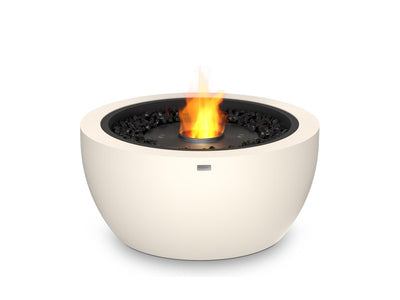 EcoSmart Fire
Pod 30 Fire Pit13 reviews$2,345
EcoSmart Fire
Pod 30 Fire Pit13 reviews$2,345
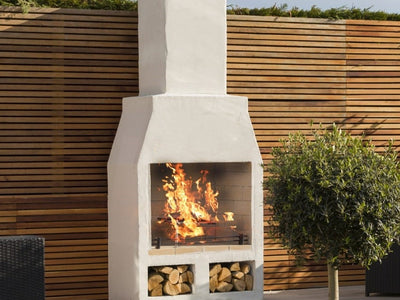 Ochre Living
Hotham Complete Fireplace Kit6 reviewsFrom $4,490
Ochre Living
Hotham Complete Fireplace Kit6 reviewsFrom $4,490
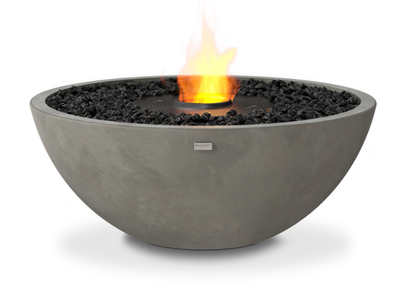 EcoSmart Fire
Mix 850 Fire Pit10 reviews$2,245
EcoSmart Fire
Mix 850 Fire Pit10 reviews$2,245
Wood for the fire and the flavour, gas for a Tuesday. Plenty of people end up with one of each.
Wood Fired Pizza OvensGas Pizza OvensPizza oven accessoriesBrands
ValorianiPolitoWittCustomer favourites
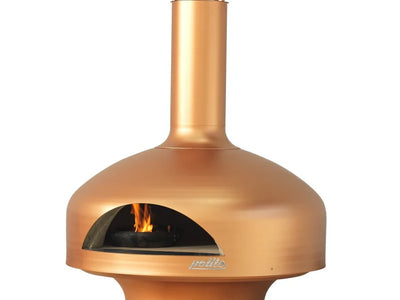 Polito
Giotto Wood Fire Oven5 reviews$4,965
Polito
Giotto Wood Fire Oven5 reviews$4,965
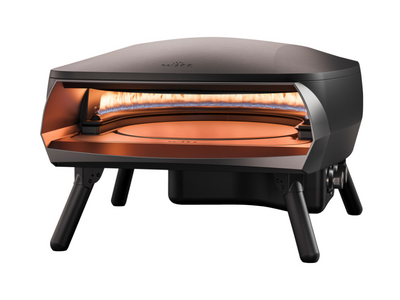 Witt
Etna Rotante 16" Gas Pizza Oven$1,099
Witt
Etna Rotante 16" Gas Pizza Oven$1,099
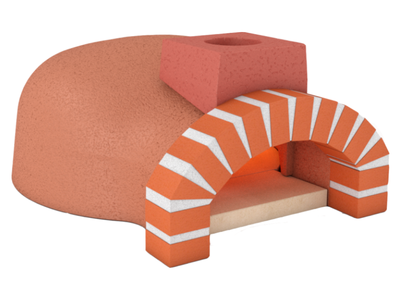 Valoriani
FVR80 Wood Fired Pizza Oven Kit$3,000
Valoriani
FVR80 Wood Fired Pizza Oven Kit$3,000
The cooking end of the outdoor room, with a fridge that keeps up in February.
Outdoor KitchensCharcoal BarbecuesOutdoor Bar FridgesCovers and accessoriesBrands
AluvyColemanSchmickCustomer favourites
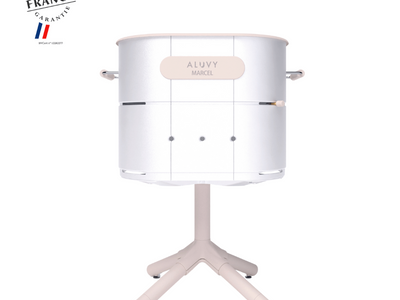 Aluvy
MARCEL Original Charcoal Barbecue$3,579
Aluvy
MARCEL Original Charcoal Barbecue$3,579
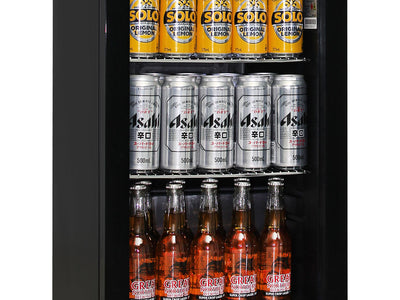 Schmick
Black Glass Door Bar FridgeFrom $577
Schmick
Black Glass Door Bar FridgeFrom $577
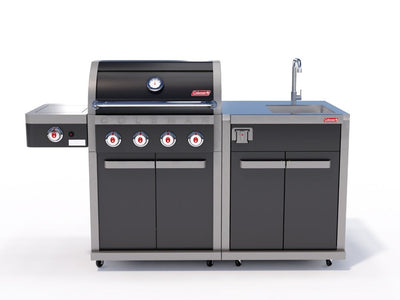 Coleman
Revolution 4 Burner Outdoor Kitchen2 reviewsFrom $2,373
Coleman
Revolution 4 Burner Outdoor Kitchen2 reviewsFrom $2,373
Most umbrellas fail in the first serious wind. These are engineered not to. A louvre roof handles the rain as well.
Cantilever UmbrellasWall UmbrellasMarket UmbrellasCommercial UmbrellasLouvre Roof PergolasUmbrella accessoriesBrands
Shadowspec UmbrellasKustom PergolasCustomer favourites
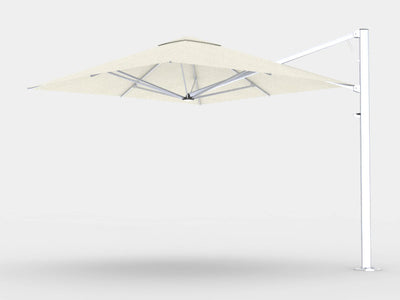 Shadowspec
Serenity Cantilever Umbrella14 reviews$4,980
Shadowspec
Serenity Cantilever Umbrella14 reviews$4,980
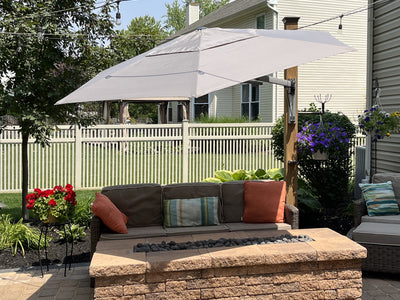 Shadowspec
Retreat Wall-Mounted Umbrella8 reviews$1,790
Shadowspec
Retreat Wall-Mounted Umbrella8 reviews$1,790
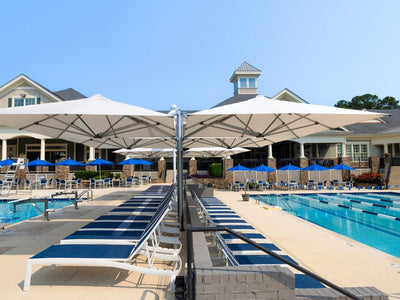 Shadowspec
Unity Multi-Canopy Umbrella5 reviewsFrom $8,390
Shadowspec
Unity Multi-Canopy Umbrella5 reviewsFrom $8,390
Ponds, waterfalls and fountains, with the pumps and filters that keep the water clear.
FountainsWaterfall KitsFish Pond KitsPond EquipmentDam Aerators & FountainsBrands
AquascapeWhere to start
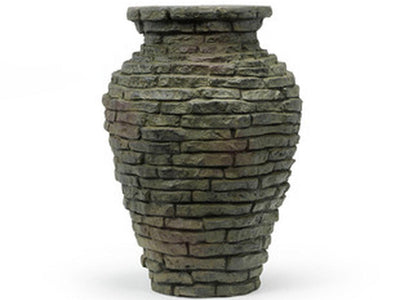 Aquascape
Stacked Slate Urn Fountain KitFrom $550
Aquascape
Stacked Slate Urn Fountain KitFrom $550
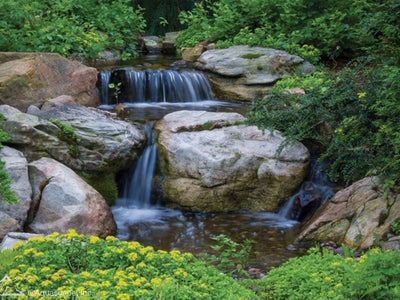 Aquascape
Medium Pondless Waterfall Kit - 5m StreamFrom $4,763
Aquascape
Medium Pondless Waterfall Kit - 5m StreamFrom $4,763
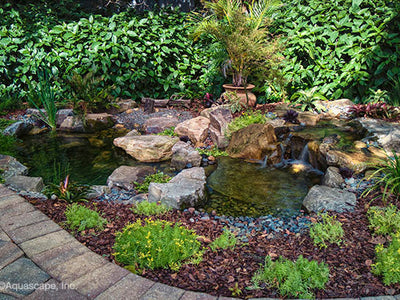 Aquascape
Small Pond Kit, 2.4m x 3.3m$4,228
Aquascape
Small Pond Kit, 2.4m x 3.3m$4,228
Start six weeks earlier in spring and keep growing through winter, in a greenhouse built for Australian sun.
GreenhousesPlantersGreenhouse accessoriesBrands
Winter GardenzBlinde DesignWhere to start
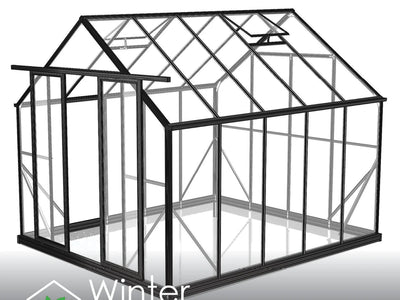 Winter Gardenz
8ft Wide Polycarbonate Greenhouse$4,615
Winter Gardenz
8ft Wide Polycarbonate Greenhouse$4,615
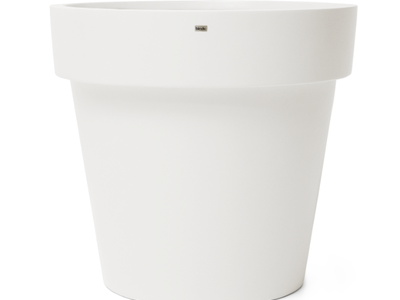 Blinde Design
Classic 125 Concrete Planter Pot$1,255
Blinde Design
Classic 125 Concrete Planter Pot$1,255
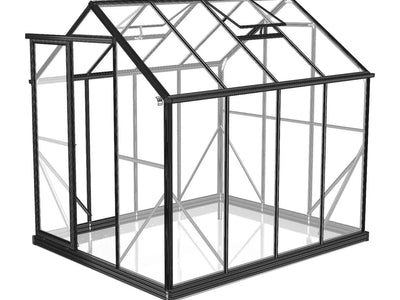 Winter Gardenz
6ft Wide Polycarbonate Greenhouse$3,295
Winter Gardenz
6ft Wide Polycarbonate Greenhouse$3,295
Cast concrete, heavy enough to stay exactly where you put it, finished to weather the way stone does.
Coffee TablesBrands
Blinde DesignWhere to start
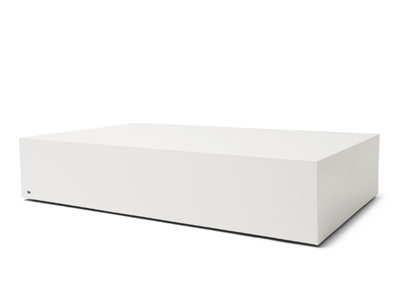 Blinde Design
Move 65 Concrete Coffee Table$1,895
Blinde Design
Move 65 Concrete Coffee Table$1,895
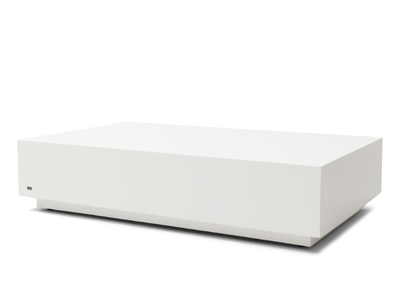 Blinde Design
Dash 50 Concrete Coffee Table$1,495
Blinde Design
Dash 50 Concrete Coffee Table$1,495
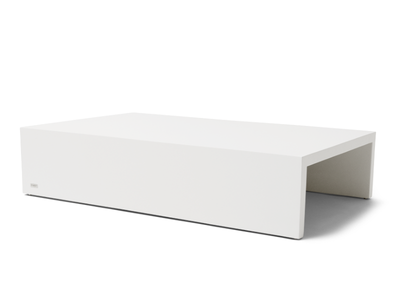 Blinde Design
Niche 50 Concrete Coffee Table$1,895
Blinde Design
Niche 50 Concrete Coffee Table$1,895
We are not manufacturers. We team up with the makers worth buying from, then stand behind them.
AluvyAquascapeBlinde DesignBuschbeckColemane-NRGEcoSmart FireKustom PergolasOaseOchre LivingOtterbinePolitoRhinoSchmickShadowspecValorianiWinter GardenzWittBrands
EcoSmart FireShadowspec UmbrellasOchre LivingSee all brandsWe are Hayden and Tim. Two of us, no call centre. The same person answers the phone before and after you buy.
Who we are
Who is My Acre?Why My Acre?Meet Hayden and TimOur installersContact usWhat we promise
Price beat promiseShipping and deliveryWarranty and claimsReturns and exchangeGuides and resources
Customer resourcesCustomer reviewsJournal Our story
Short answer: Close a cantilever umbrella once wind reaches Beaufort 5, which the Royal Meteorological Society puts at 29 to 38 km/h. On a freestanding base the honest ceiling is lower again, around Beaufort 3 to 4, or 12 to 28 km/h. Published survival ratings are a different number; they do not describe the wind you can safely sit under.
Two wind numbers exist for every cantilever umbrella and the industry rarely separates them: one is the wind the frame survives, the other is the wind at which to close it. This page is about the second number, which is the one deciding whether your umbrella is still there next summer.
Beaufort 5, at 29 to 38 km/h, which is the point at which small trees begin to sway and crested wavelets form on inland water (Royal Meteorological Society, Beaufort wind scale).
Shadowspec builds its cantilever umbrellas in Whangarei and tests them outdoors rather than in a tunnel. Shadowspec states that its design team "aims for a wind rating of Beaufort 5", and calls a cantilever umbrella "a temporary shade solution to be used with discretion and common sense" (Shadowspec, Are cantilever umbrellas good in wind?). Their own test for that point is blunt: at Beaufort 5, wine glasses tip over, so there is no reason to be sitting out there anyway.
It is worth being precise about what that Beaufort 5 figure is, because it is not a certification. Shadowspec's own wording is that its design team aims for the rating; the method it describes is real-world observation around its factory and home cities rather than testing to a standard. No test report, no certifying engineer and no standard is cited anywhere in its documentation. The number is not consistent across the company's own properties either: it appears as 29 to 38 km/h in the help centre, as 33 to 41 km/h in one article, and as Beaufort 4 to 5 on the Retreat microsite the company runs itself. Treat it as a considered manufacturer's opinion, which is more than most of this market publishes, rather than as a tested limit.
That is a useful test to carry outdoors, because if the table is no longer a comfortable place to put a glass down, the umbrella should already have been closed. The table below sets the same judgement out in numbers, so it can be read against a forecast rather than a wine glass.
| Beaufort | Wind speed | What it looks like | What to do |
|---|---|---|---|
| 3 | 12 to 19 km/h | Leaves and twigs in constant motion | Freestanding umbrellas start to move in the wind |
| 4 | 20 to 28 km/h | Dust lifts, small branches move | Wind ceiling for most freestanding bases |
| 5 | 29 to 38 km/h | Small trees begin to sway | Close it. Design target for premium cantilevers |
| 6 | 39 to 49 km/h | Large branches move, wires whistle | Umbrella use becomes difficult |
| 7 | 50 to 61 km/h | Whole trees in motion | Nothing should be open |
Wind speeds are the Beaufort bands as published by the Royal Meteorological Society. The land descriptions and the Beaufort 6 note come from the wind rating table published by the Australian umbrella supplier Instant Shade Umbrellas; the rest of the final column is our reading of the per-model Beaufort ratings on that same page, not a quotation from it.
Because a survival rating and a use rating are two different things; makers publish both without labelling which is which.
Frankford Umbrellas is unusually open about this. Frankford gives a figure for each model, rating its Eclipse cantilever to hold 30 mph of steady wind, or 48 km/h. On the same page Frankford states that its umbrellas "have been tested successfully in extreme weather and winds up to 40-50 mph", which is 64 to 80 km/h, then immediately recommends "closing your umbrella when not in use or when sustained winds exceed 25 mph", or 40 km/h (Frankford Umbrellas wind ratings).
Read those three wind figures together. The umbrella survives 80 km/h in testing and is rated at 48 km/h; the maker then tells you to close it at 40 km/h. The number in the advertising and the number in the instruction are half an order apart; only the smaller one is advice.
Shadowspec goes further and declines to publish a kilometre figure at all. Shadowspec notes that some cantilever umbrella companies claim engineering up to 140 km/h. They argue that wind ratings "tend to be calculated through software or controlled environments such as a wind tunnel", which are "designed for aerodynamics not wind power", so a slow, steady build-up says little about a real back garden.
There is a second reason to distrust a printed wind figure; it is a plainer one. Australian umbrella sellers copy the Beaufort bands from each other; the numbers arrive wrong. Two Australian umbrella sites publish Beaufort ranges today that do not match the weather scale, one of them out by a factor of three. That is why every speed on this page traces to a weather source rather than to an umbrella page.
Because the published rating assumes the umbrella is bolted down, which almost no home cantilever ever is.
Instant Shade Umbrellas publishes both figures side by side for its range, where the gap between them is stark. Its Cafe Series, Monaco and Eclipse 3m models are rated Beaufort 4 to 7 when installed, and Beaufort 3 to 4 on a freestanding base. The Monterey and Aurora follow the same pattern: Beaufort 4 to 6 installed, 3 to 4 freestanding. Its heavy-duty Nova HD reaches Beaufort 5 to 10, and carries no freestanding rating at all (Instant Shade Umbrellas, wind rating explained).
Translate that drop into speed. An umbrella sold as having wind resistance to Beaufort 7, which tops out at 61 km/h, becomes an umbrella good to Beaufort 4, which tops out at 28 km/h, the moment it sits on a portable base instead of a bolt-down mount; that is less than half the wind, from the same umbrella, on the same afternoon.
So anyone comparing wind ratings across brands is usually reading installed figures while planning a freestanding set-up, which is how the gap gets missed. It is worth asking any seller which of the two numbers they have quoted, because the answer changes what the umbrella can actually do in your yard.
The base side of this decision has its own page: how much weight a cantilever umbrella base actually needs.
Owners report a cantilever umbrella becoming alarming in wind long before it becomes damaged; they report it consistently enough to be worth naming as a pattern.
Across three separate cantilever umbrella review videos, five people describe the same thing. One asks how to stop the umbrella spinning in a light wind. Another, describing a 3 m garden umbrella, reports that "with just a slight breeze the umbrella seems to move around rather more than I would have firstly anticipated" (YouTube). Two more, on a different video, say they were worried by the movement until the video told them it was normal (YouTube). A fifth, on a third video, notes the umbrella swaying while it seems to hold up (YouTube).
That is the experience gap. Cantilever umbrellas start behaving frighteningly around Beaufort 3, at 12 to 19 km/h of wind, which is roughly a third of the wind speed most rating tables imply. New owners read that movement as a fault. It is not a fault; it is a canopy on an offset arm doing what the shape demands; it is the clearest early warning available that the wind is building.
Where the ballast is badly short, the outcome is not subtle. On the Bunnings Workshop community, an Australian member describes a ground-mounted umbrella left up in wind that ended up in the pool (Bunnings Workshop, January 2025). A commenter on a review video reports an umbrella that is sandbagged and still lifts, describing it as flying like a parachute.
Higher than the speed at which it should already have been closed, which is why the question rarely matters much in practice. The interesting part is where real failures actually happen; it is nowhere near the tested figure.
Frankford's testing suggests a well-built cantilever survives 64 to 80 km/h of wind with the canopy open. Almost no home failure happens there, because almost no home umbrella is standing open in a 70 km/h wind on a bolted mount. Real failures happen much lower down, at Beaufort 5 and 6, on freestanding bases, in gusts rather than steady wind, with the canopy caught at an angle it was never set for.
Where the arm points changes an umbrella's wind resistance more than most buyers expect. Instant Shade advises turning the cantilever arm into the wind, locking the tilt knob, and keeping the canopy flat. The same umbrella, turned the wrong way, offers a very different surface to the same gust.
The one that is bolted down, vented, and closed early, in that order. Those three things decide wind resistance far more than the badge does.
The mount matters more than the brand, because a bolt-down or in-ground mount is worth two Beaufort numbers on the figures above; no amount of frame quality makes up for a light base. Venting comes next, because Shadowspec states that every model has a vented canopy letting air pass through, "improving stability in strong winds" (Shadowspec). Frame quality comes third; it decides how many summers the umbrella lasts rather than how much wind it survives on the day.
The honest concession here is that no outdoor umbrella is windproof; we would not tell you otherwise. A cantilever umbrella is a temporary shade structure. Anyone who needs shade that stands through weather regardless of who is home needs a fixed structure rather than an umbrella, which is a real answer rather than a way of selling a bigger umbrella.
The wind rating is the most misread number in this category, and the most costly one to read wrong. Ring me on 1300 515 620 with your address, your mounting surface and how exposed the spot is. I will tell you what the number actually means for your yard, including when the answer is a wall-mounted umbrella or no umbrella at all.
Our price-beat promise applies to every umbrella we sell, we do a fit check before it ships, plus we handle any warranty claim ourselves rather than sending you to the maker.
Close a cantilever umbrella at Beaufort 5, or 29 to 38 km/h, and close it earlier than that if it sits on a freestanding base. Treat any published wind rating above that as a survival figure rather than an operating instruction, and check whether it was measured installed or freestanding before comparing it to anything.
The exception runs in the buyer's favour. A properly bolted, vented, commercial-grade cantilever in a sheltered courtyard will sit comfortably through conditions that would flatten the same umbrella on a water base in an open paddock. Exposure and mounting decide this, not the number on the tag.
Browse the cantilever umbrella range, the wall-mounted umbrellas for exposed or narrow spaces, or the umbrella accessories if the mount is the part that needs upgrading.

Purchased the retreat outdoor umbrella, had no isuues the quality is nothing but awesome would definitely recommend this product and my Acare was very easy to work with
I purchased the Shadowspec Serenity Cantilever Umbrella from the My Acre team. I have to say, Hayden was really great to deal with, he went above and beyond to help us find the right fit for our beautiful little outdo...
Positive vibes all the way from placing order on a Saturday afternoon, being contacted by Hayden directly when I had an issue with the checkout process, bug fixed, purchase completed and delivery on Tuesday, with foll...
We recently purchased a Hotham fireplace and couldn't be happier with the result. Hayden was extremely helpful in guiding us on the right size for our space, and the installation team did a fantastic job. The whole pr...
Quick delivery and good aftercare service
Australian owned · every order personally followed up
