
Matt P
★★★★★
6 Sep 2026Purchased the retreat outdoor umbrella, had no isuues the quality is nothing but awesome would definitely recommend this product and my Acare was very easy to work with
Price beat promise.
The fire is the centrepiece of an Australian backyard. Everything else arranges itself around it.
View the full rangeBrands
Wood for the fire and the flavour, gas for a Tuesday. Plenty of people end up with one of each.
View the full rangeBrands
The cooking end of the outdoor room, with a fridge that keeps up in February.
View the full rangeBrands
Most umbrellas fail in the first serious wind. These are engineered not to. A louvre roof handles the rain as well.
View the full rangeBrands
Categories
Umbrella accessoriesPonds, waterfalls and fountains, with the pumps and filters that keep the water clear.
View the full rangeBrands
Start six weeks earlier in spring and keep growing through winter, in a greenhouse built for Australian sun.
View the full rangeBrands
Cast concrete, heavy enough to stay exactly where you put it, finished to weather the way stone does.
View the full rangeBrands
Categories
We are not manufacturers. We team up with the makers worth buying from, then stand behind them.
See all brandsCustomer favourite brands
We are Hayden and Tim. Two of us, no call centre. The same person answers the phone before and after you buy.
Our storyGuides and resources
Ring before you buy. I will tell you what suits your space and what to avoid, even when that means spending less.
Get a quoteCall for a quoteCall 1300 515 620The fire is the centrepiece of an Australian backyard. Everything else arranges itself around it.
Outdoor FireplacesFire Pit TablesFire PitsFire Pit KitsFireplace accessoriesBrands
EcoSmart FireOchre LivingBuschbeckCustomer favourites
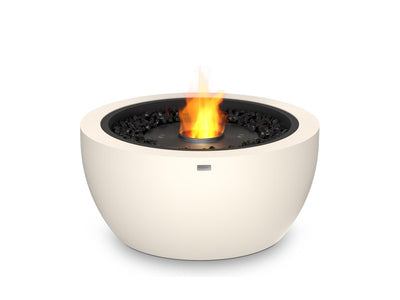 EcoSmart Fire
Pod 30 Fire Pit13 reviews$2,345
EcoSmart Fire
Pod 30 Fire Pit13 reviews$2,345
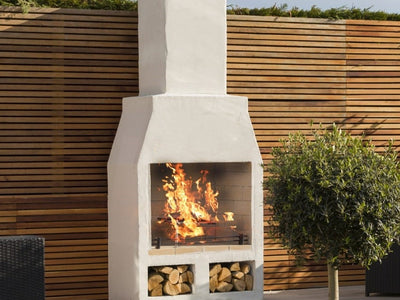 Ochre Living
Hotham Complete Fireplace Kit6 reviewsFrom $4,490
Ochre Living
Hotham Complete Fireplace Kit6 reviewsFrom $4,490
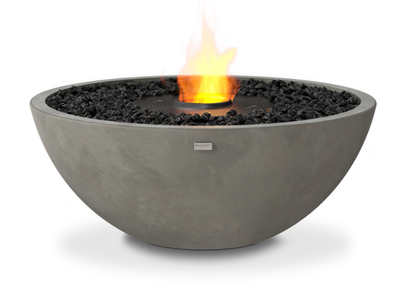 EcoSmart Fire
Mix 850 Fire Pit10 reviews$2,245
EcoSmart Fire
Mix 850 Fire Pit10 reviews$2,245
Wood for the fire and the flavour, gas for a Tuesday. Plenty of people end up with one of each.
Wood Fired Pizza OvensGas Pizza OvensPizza oven accessoriesBrands
ValorianiPolitoWittCustomer favourites
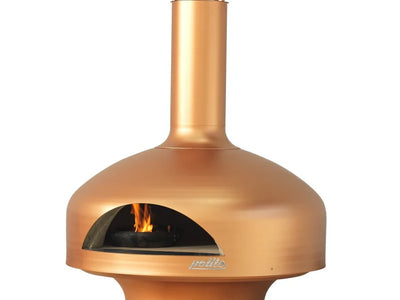 Polito
Giotto Wood Fire Oven5 reviews$4,965
Polito
Giotto Wood Fire Oven5 reviews$4,965
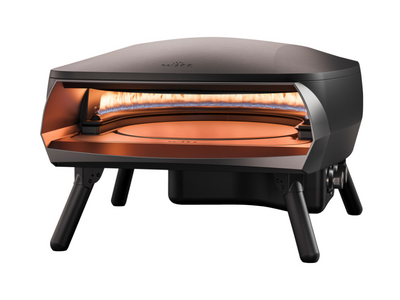 Witt
Etna Rotante 16" Gas Pizza Oven$1,099
Witt
Etna Rotante 16" Gas Pizza Oven$1,099
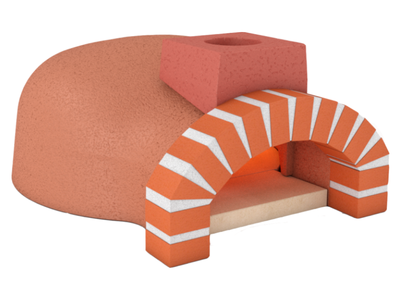 Valoriani
FVR80 Wood Fired Pizza Oven Kit$3,000
Valoriani
FVR80 Wood Fired Pizza Oven Kit$3,000
The cooking end of the outdoor room, with a fridge that keeps up in February.
Outdoor KitchensCharcoal BarbecuesOutdoor Bar FridgesCovers and accessoriesBrands
AluvyColemanSchmickCustomer favourites
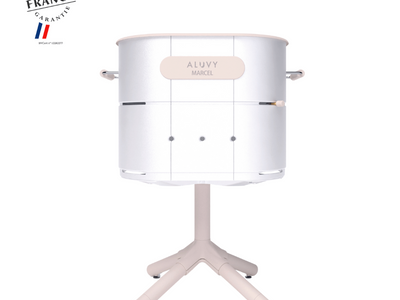 Aluvy
MARCEL Original Charcoal Barbecue$3,579
Aluvy
MARCEL Original Charcoal Barbecue$3,579
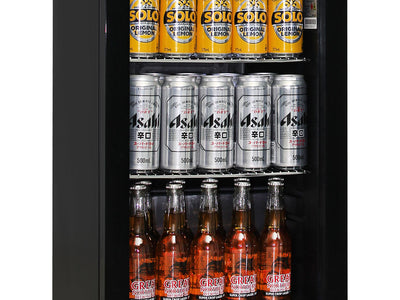 Schmick
Black Glass Door Bar FridgeFrom $577
Schmick
Black Glass Door Bar FridgeFrom $577
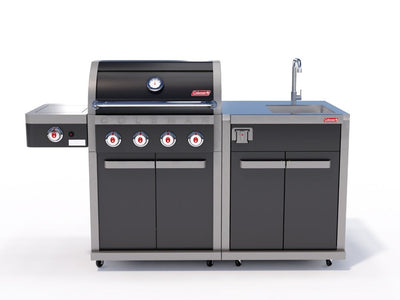 Coleman
Revolution 4 Burner Outdoor Kitchen2 reviewsFrom $2,373
Coleman
Revolution 4 Burner Outdoor Kitchen2 reviewsFrom $2,373
Most umbrellas fail in the first serious wind. These are engineered not to. A louvre roof handles the rain as well.
Cantilever UmbrellasWall UmbrellasMarket UmbrellasCommercial UmbrellasLouvre Roof PergolasUmbrella accessoriesBrands
Shadowspec UmbrellasKustom PergolasCustomer favourites
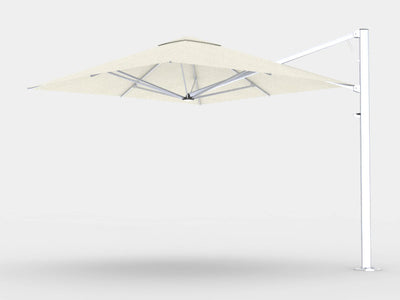 Shadowspec
Serenity Cantilever Umbrella14 reviews$4,980
Shadowspec
Serenity Cantilever Umbrella14 reviews$4,980
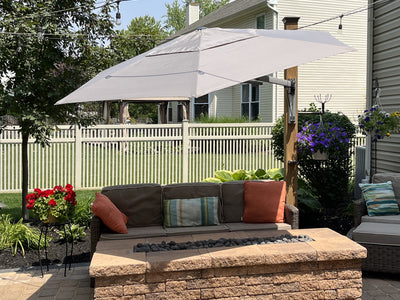 Shadowspec
Retreat Wall-Mounted Umbrella8 reviews$1,790
Shadowspec
Retreat Wall-Mounted Umbrella8 reviews$1,790
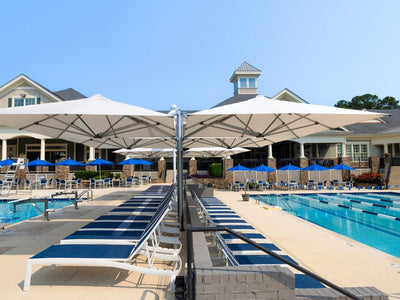 Shadowspec
Unity Multi-Canopy Umbrella5 reviewsFrom $8,390
Shadowspec
Unity Multi-Canopy Umbrella5 reviewsFrom $8,390
Ponds, waterfalls and fountains, with the pumps and filters that keep the water clear.
FountainsWaterfall KitsFish Pond KitsPond EquipmentDam Aerators & FountainsBrands
AquascapeWhere to start
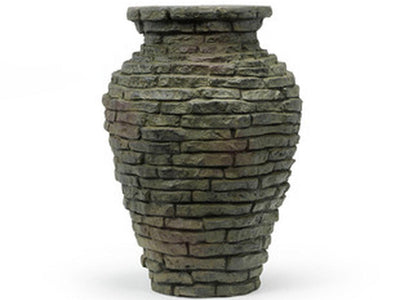 Aquascape
Stacked Slate Urn Fountain KitFrom $550
Aquascape
Stacked Slate Urn Fountain KitFrom $550
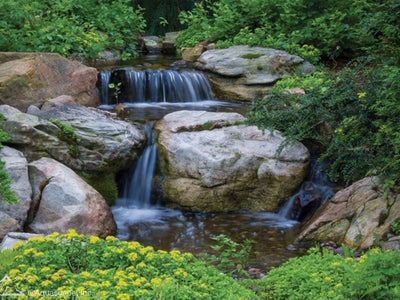 Aquascape
Medium Pondless Waterfall Kit - 5m StreamFrom $4,763
Aquascape
Medium Pondless Waterfall Kit - 5m StreamFrom $4,763
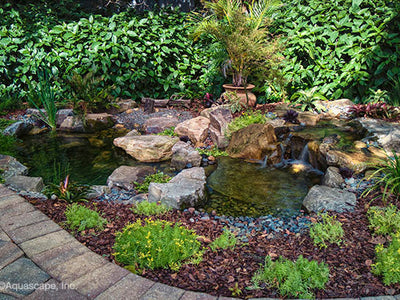 Aquascape
Small Pond Kit, 2.4m x 3.3m$4,228
Aquascape
Small Pond Kit, 2.4m x 3.3m$4,228
Start six weeks earlier in spring and keep growing through winter, in a greenhouse built for Australian sun.
GreenhousesPlantersGreenhouse accessoriesBrands
Winter GardenzBlinde DesignWhere to start
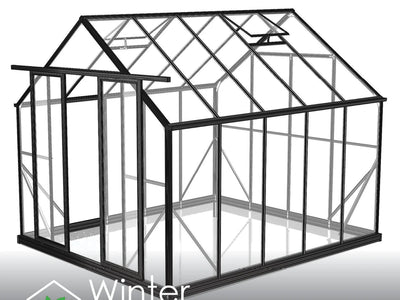 Winter Gardenz
8ft Wide Polycarbonate Greenhouse$4,615
Winter Gardenz
8ft Wide Polycarbonate Greenhouse$4,615
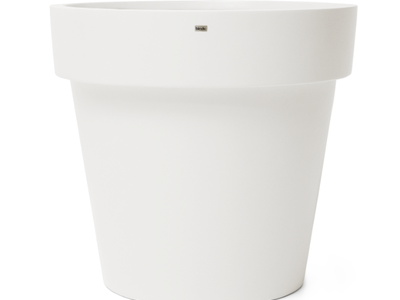 Blinde Design
Classic 125 Concrete Planter Pot$1,255
Blinde Design
Classic 125 Concrete Planter Pot$1,255
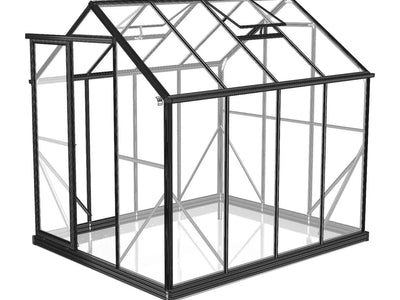 Winter Gardenz
6ft Wide Polycarbonate Greenhouse$3,295
Winter Gardenz
6ft Wide Polycarbonate Greenhouse$3,295
Cast concrete, heavy enough to stay exactly where you put it, finished to weather the way stone does.
Coffee TablesBrands
Blinde DesignWhere to start
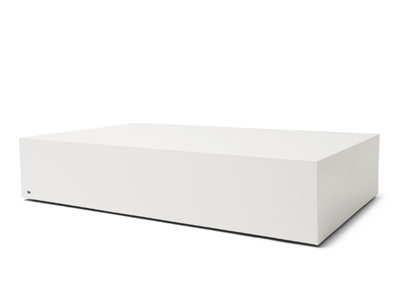 Blinde Design
Move 65 Concrete Coffee Table$1,895
Blinde Design
Move 65 Concrete Coffee Table$1,895
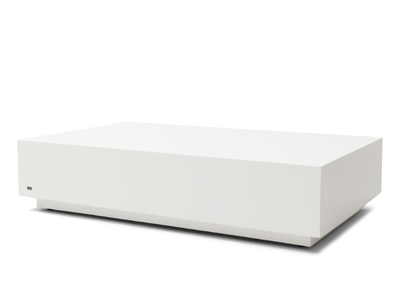 Blinde Design
Dash 50 Concrete Coffee Table$1,495
Blinde Design
Dash 50 Concrete Coffee Table$1,495
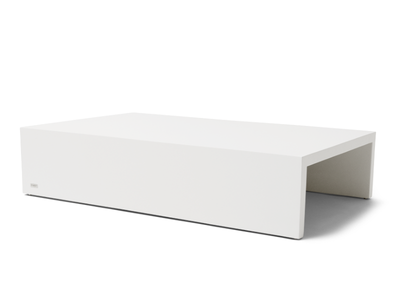 Blinde Design
Niche 50 Concrete Coffee Table$1,895
Blinde Design
Niche 50 Concrete Coffee Table$1,895
We are not manufacturers. We team up with the makers worth buying from, then stand behind them.
AluvyAquascapeBlinde DesignBuschbeckColemane-NRGEcoSmart FireKustom PergolasOaseOchre LivingOtterbinePolitoRhinoSchmickShadowspecValorianiWinter GardenzWittBrands
EcoSmart FireShadowspec UmbrellasOchre LivingSee all brandsWe are Hayden and Tim. Two of us, no call centre. The same person answers the phone before and after you buy.
Who we are
Who is My Acre?Why My Acre?Meet Hayden and TimOur installersContact usWhat we promise
Price beat promiseShipping and deliveryWarranty and claimsReturns and exchangeGuides and resources
Customer resourcesCustomer reviewsJournal Our story
Short answer: Yes, if it is closed. A cantilever umbrella is built to live outdoors and will sit through years of Australian rain without harm. Leaving it open through the rain is the mistake, because rain in Australia almost never arrives on its own; the wind travelling with it is what breaks the arm.
That is the whole answer. If it is all you came for, stop reading here. The rest of this page is for the two situations where the simple rule stops being enough: the shower that starts while nobody is home, and the hour after the rain stops, which quietly does more damage than the storm ever did.
Water resistant, on almost every outdoor umbrella and patio umbrella sold in Australia. The distinction matters far less than the marketing around it suggests, because the woven acrylic canopy on a good outdoor umbrella sheds a passing shower and will begin to wet through in sustained heavy rain. That is a nuisance rather than a fault, given that the canopy was never the part really at risk in the first place.
Sunbrella, the fabric on Shadowspec's canopies and on most of the premium end of the market, is unusually explicit about what actually goes wrong. Sunbrella states that its fabrics "do not promote mildew growth, however, mildew may grow on dirt and other foreign substances that are not removed from the fabric" (Sunbrella care guidance). That sentence inverts the advice sitting on most competing pages, which treat the water itself as the culprit. The rain is not feeding the mould. The pollen, dust and roof run-off already sitting on the canopy is feeding it; the rain is only supplying the water.
Sunbrella's own maintenance instruction is a hose-off with clean water on a monthly basis, with a thorough clean needed every two to three years in most environments. A canopy kept on that routine handles Australian rain almost indefinitely, whereas a canopy that has not been rinsed since spring is exactly where the black speckling starts. No amount of drying time will undo it once the fabric has been colonised.
Wind, loading a canopy that has turned into a sail. That is true of any patio umbrella, and more true of a cantilever. A cantilever hangs its canopy off a side mast, so wind lifting under the fabric levers the arm and the base rather than pressing straight down through a centre pole. That geometry is the whole appeal of a cantilever umbrella; it is also the reason its failures are structural rather than cosmetic.
The evidence for this sits in Australian owner reports rather than in product copy. On the Bunnings Workshop community, a member describing a ground-mounted umbrella that was left up in wind reports that it ended up in the pool (Bunnings Workshop discussion, January 2025). A commenter on a cantilever umbrella set-up video describes a similar outcome, with the umbrella blown over into a screened porch and the screening needing replacement afterwards. A third owner, commenting on a separate cantilever umbrella review, reports an umbrella that is sandbagged down and still lifts, describing it as flying like a parachute.
Three separate people on three separate platforms, all describing one pattern: the ballast that looked more than sufficient on a calm afternoon was not sufficient during the squall that came with the rain. Not one of them mentions water damage. The rain is the forecast; the wind is the bill.
The base side of that problem has its own page: how much weight a cantilever umbrella base actually needs.
Yes. The reason is the forecast rather than the dew, because an umbrella left open overnight is an umbrella that meets whatever arrives at four in the morning with nobody awake to close it. Australian storm fronts routinely land inside that window, which is why patio umbrella instructions all say the same thing, which is why every serious maker on the market words the instruction in almost identical language.
There is a second-order point here that almost nobody publishes, which is that closing the umbrella is not the end of the job. The Australian supplier Instant Shade Umbrellas states that when closing the umbrella, "the strap and protection cover need to be correctly used", and that failure to do so "can cause damage even in a closed position" (Instant Shade Umbrellas wind rating guidance). A closed canopy that has not been strapped still catches air; the ribs then flog against the mast until something gives.
So the nightly routine on an outdoor umbrella is close, strap, cover. It takes about twenty seconds once it has become habit; it is also the single cheapest thing you can do to extend the working life of the umbrella.
Open the umbrella again and let it dry. This is the step that gets skipped; skipping it is what decides whether your canopy still looks presentable in five years.
Picture the Sunday that makes the point. Rain lands at four in the afternoon over a paved courtyard, in from the south, with the umbrella still open, the umbrella gets closed and zipped into its cover on the way inside; by seven the weather has cleared. That cover stays on for a fortnight of ordinary weekday weather, sealing a damp canopy that already carries a summer's worth of dust into a dark, warm, still environment. On the next warm Saturday the umbrella comes out speckled black along the fold lines. That is a two to three year deep clean arriving three years early, on a canopy that never quite returns to its original colour. Open it for two hours instead and let the breeze do the work. The same umbrella then comes out of its cover in five years looking like the one in the photograph.
Where the weather will not co-operate, which is most of a Melbourne winter, the honest compromise is to close and strap the umbrella without fitting the cover, then fit the cover on the first properly dry day. A strapped canopy is already protected structurally, whereas a wet canopy sealed under a cover is not protected at all.
There are three, set out below in the order patio umbrella owners actually tend to meet them.
Water pooling in the canopy. A canopy that has lost tension, or that sits with the arm tilted rather than level, collects water in the low corner. Water resistant fabric does not mean self-draining fabric. The accumulated weight is significant; it stretches the fabric and loads the ribs at the same time. Restoring canopy tension is a maintenance job rather than a design fault; it is worth doing before summer rather than after.
Corrosion at the fittings. Coastal salt combined with permanent moisture attacks the fasteners and hardware on an outdoor umbrella long before it touches the mast itself. This is where marine-grade specification earns its price. Shadowspec builds the Serenity from grade aluminium and stainless steel, carrying a 6-year frame warranty alongside a 10-year fabric warranty (Shadowspec Serenity specification). A cheaper frame does not fail during the rain; it fails in the third summer afterwards.
Rain running off the canopy edge onto the table. Not a fault at all, simply geometry. It is also why the Shadowspec rain gutter exists for multi-canopy installations where two canopies meet.
None of the three is caused by the rain in isolation. Each one is caused by rain meeting a canopy that was already carrying dirt, already sitting slack, or already fitted to hardware that was never specified for a coastal address. That is the difference between weather and neglect; it is the reason two umbrellas in the same street can reach year five in completely different condition.
Getting this wrong is expensive and getting it right costs nothing, which makes it worth a conversation rather than a guess. Ring me on 1300 515 620 and I will tell you what your exposure actually calls for, including the cases where a wall-mounted umbrella is a smarter answer than a freestanding one, and the cases where the cheaper option is the right one for your yard.
Every umbrella we sell carries our price-beat promise. We also handle any warranty claim ourselves, rather than handing you a phone number and wishing you luck.
Leave the umbrella outside; do not leave it open. The distinction between an outdoor umbrella stored outside and an outdoor umbrella left open outside is the whole of the answer. A cantilever umbrella will spend its entire working life exposed to Australian rain without complaint. The conditions are that it is closed and strapped before the weather arrives, opened again to dry properly afterwards, and rinsed often enough that nothing is left on the fabric for mildew to live on.
The exception is the yard nobody is home to watch. Where your umbrella regularly sits open and unattended through weekday afternoons, no amount of specification fixes the underlying problem; the honest recommendation there is either a fixed structure or a wall-mounted umbrella that stows flat against the wall in seconds.
Browse the cantilever umbrella range or the wall-mounted umbrellas if that second description sounds like your place.

Purchased the retreat outdoor umbrella, had no isuues the quality is nothing but awesome would definitely recommend this product and my Acare was very easy to work with
I purchased the Shadowspec Serenity Cantilever Umbrella from the My Acre team. I have to say, Hayden was really great to deal with, he went above and beyond to help us find the right fit for our beautiful little outdo...
Positive vibes all the way from placing order on a Saturday afternoon, being contacted by Hayden directly when I had an issue with the checkout process, bug fixed, purchase completed and delivery on Tuesday, with foll...
We recently purchased a Hotham fireplace and couldn't be happier with the result. Hayden was extremely helpful in guiding us on the right size for our space, and the installation team did a fantastic job. The whole pr...
Quick delivery and good aftercare service
Australian owned · every order personally followed up
