
Matt P
★★★★★
6 Sep 2026Purchased the retreat outdoor umbrella, had no isuues the quality is nothing but awesome would definitely recommend this product and my Acare was very easy to work with
Price beat promise.
The fire is the centrepiece of an Australian backyard. Everything else arranges itself around it.
View the full rangeBrands
Wood for the fire and the flavour, gas for a Tuesday. Plenty of people end up with one of each.
View the full rangeBrands
The cooking end of the outdoor room, with a fridge that keeps up in February.
View the full rangeBrands
Most umbrellas fail in the first serious wind. These are engineered not to. A louvre roof handles the rain as well.
View the full rangeBrands
Categories
Umbrella accessoriesPonds, waterfalls and fountains, with the pumps and filters that keep the water clear.
View the full rangeBrands
Start six weeks earlier in spring and keep growing through winter, in a greenhouse built for Australian sun.
View the full rangeBrands
Cast concrete, heavy enough to stay exactly where you put it, finished to weather the way stone does.
View the full rangeBrands
Categories
We are not manufacturers. We team up with the makers worth buying from, then stand behind them.
See all brandsCustomer favourite brands
We are Hayden and Tim. Two of us, no call centre. The same person answers the phone before and after you buy.
Our storyGuides and resources
Ring before you buy. I will tell you what suits your space and what to avoid, even when that means spending less.
Get a quoteCall for a quoteCall 1300 515 620The fire is the centrepiece of an Australian backyard. Everything else arranges itself around it.
Outdoor FireplacesFire Pit TablesFire PitsFire Pit KitsFireplace accessoriesBrands
EcoSmart FireOchre LivingBuschbeckCustomer favourites
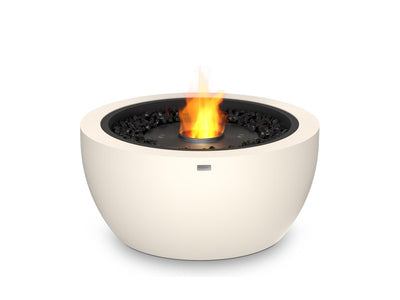 EcoSmart Fire
Pod 30 Fire Pit13 reviews$2,345
EcoSmart Fire
Pod 30 Fire Pit13 reviews$2,345
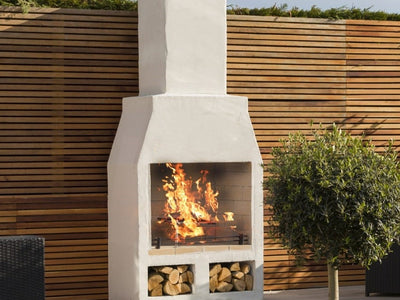 Ochre Living
Hotham Complete Fireplace Kit6 reviewsFrom $4,490
Ochre Living
Hotham Complete Fireplace Kit6 reviewsFrom $4,490
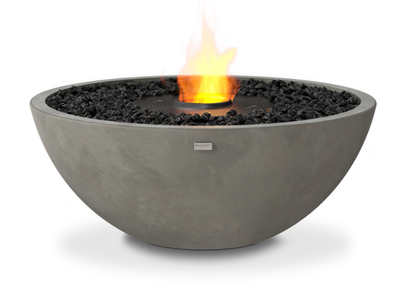 EcoSmart Fire
Mix 850 Fire Pit10 reviews$2,245
EcoSmart Fire
Mix 850 Fire Pit10 reviews$2,245
Wood for the fire and the flavour, gas for a Tuesday. Plenty of people end up with one of each.
Wood Fired Pizza OvensGas Pizza OvensPizza oven accessoriesBrands
ValorianiPolitoWittCustomer favourites
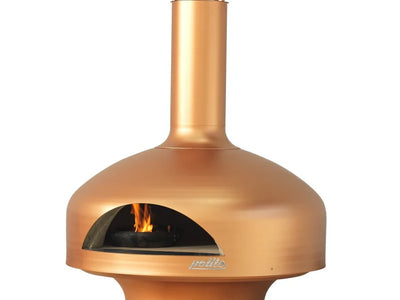 Polito
Giotto Wood Fire Oven5 reviews$4,965
Polito
Giotto Wood Fire Oven5 reviews$4,965
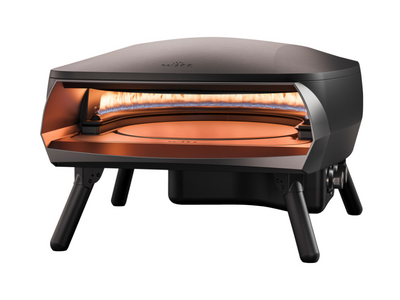 Witt
Etna Rotante 16" Gas Pizza Oven$1,099
Witt
Etna Rotante 16" Gas Pizza Oven$1,099
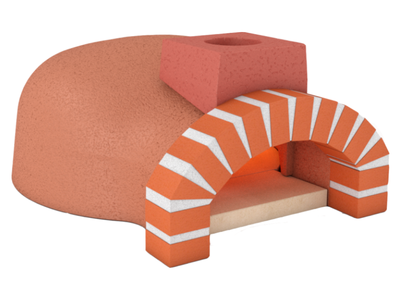 Valoriani
FVR80 Wood Fired Pizza Oven Kit$3,000
Valoriani
FVR80 Wood Fired Pizza Oven Kit$3,000
The cooking end of the outdoor room, with a fridge that keeps up in February.
Outdoor KitchensCharcoal BarbecuesOutdoor Bar FridgesCovers and accessoriesBrands
AluvyColemanSchmickCustomer favourites
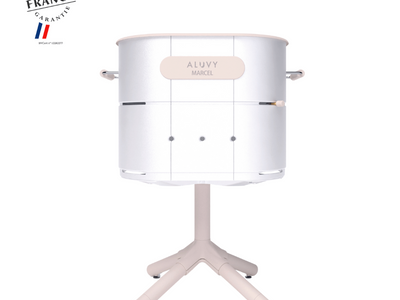 Aluvy
MARCEL Original Charcoal Barbecue$3,579
Aluvy
MARCEL Original Charcoal Barbecue$3,579
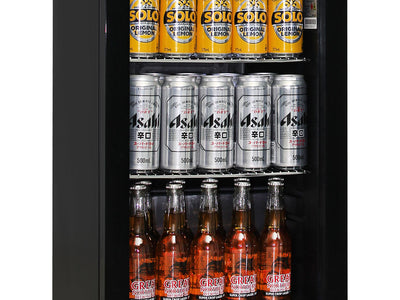 Schmick
Black Glass Door Bar FridgeFrom $577
Schmick
Black Glass Door Bar FridgeFrom $577
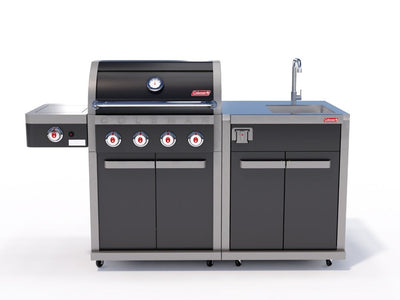 Coleman
Revolution 4 Burner Outdoor Kitchen2 reviewsFrom $2,373
Coleman
Revolution 4 Burner Outdoor Kitchen2 reviewsFrom $2,373
Most umbrellas fail in the first serious wind. These are engineered not to. A louvre roof handles the rain as well.
Cantilever UmbrellasWall UmbrellasMarket UmbrellasCommercial UmbrellasLouvre Roof PergolasUmbrella accessoriesBrands
Shadowspec UmbrellasKustom PergolasCustomer favourites
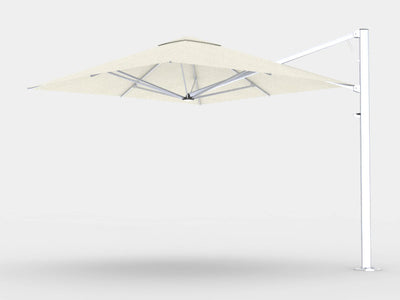 Shadowspec
Serenity Cantilever Umbrella14 reviews$4,980
Shadowspec
Serenity Cantilever Umbrella14 reviews$4,980
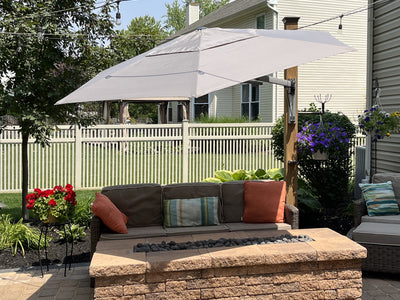 Shadowspec
Retreat Wall-Mounted Umbrella8 reviews$1,790
Shadowspec
Retreat Wall-Mounted Umbrella8 reviews$1,790
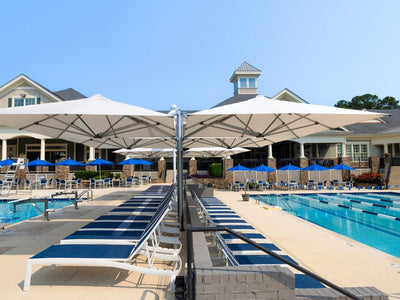 Shadowspec
Unity Multi-Canopy Umbrella5 reviewsFrom $8,390
Shadowspec
Unity Multi-Canopy Umbrella5 reviewsFrom $8,390
Ponds, waterfalls and fountains, with the pumps and filters that keep the water clear.
FountainsWaterfall KitsFish Pond KitsPond EquipmentDam Aerators & FountainsBrands
AquascapeWhere to start
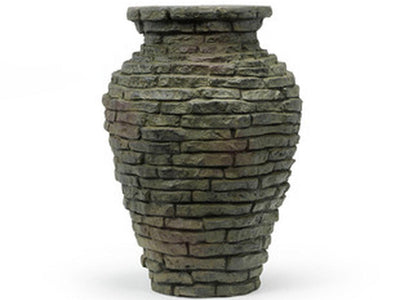 Aquascape
Stacked Slate Urn Fountain KitFrom $550
Aquascape
Stacked Slate Urn Fountain KitFrom $550
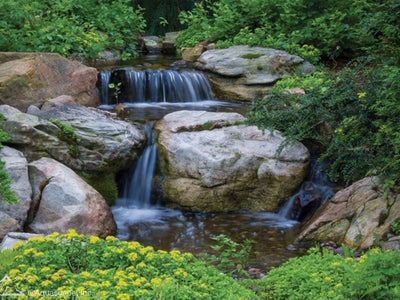 Aquascape
Medium Pondless Waterfall Kit - 5m StreamFrom $4,763
Aquascape
Medium Pondless Waterfall Kit - 5m StreamFrom $4,763
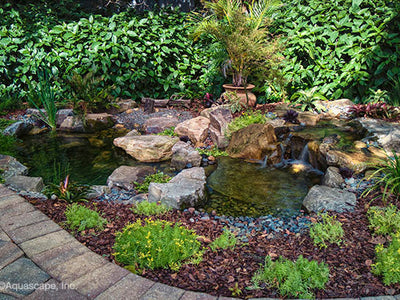 Aquascape
Small Pond Kit, 2.4m x 3.3m$4,228
Aquascape
Small Pond Kit, 2.4m x 3.3m$4,228
Start six weeks earlier in spring and keep growing through winter, in a greenhouse built for Australian sun.
GreenhousesPlantersGreenhouse accessoriesBrands
Winter GardenzBlinde DesignWhere to start
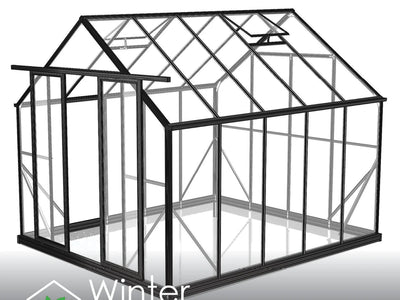 Winter Gardenz
8ft Wide Polycarbonate Greenhouse$4,615
Winter Gardenz
8ft Wide Polycarbonate Greenhouse$4,615
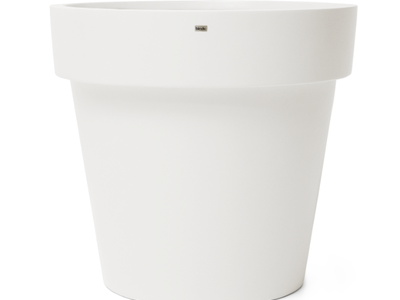 Blinde Design
Classic 125 Concrete Planter Pot$1,255
Blinde Design
Classic 125 Concrete Planter Pot$1,255
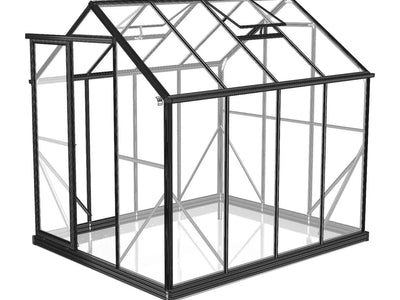 Winter Gardenz
6ft Wide Polycarbonate Greenhouse$3,295
Winter Gardenz
6ft Wide Polycarbonate Greenhouse$3,295
Cast concrete, heavy enough to stay exactly where you put it, finished to weather the way stone does.
Coffee TablesBrands
Blinde DesignWhere to start
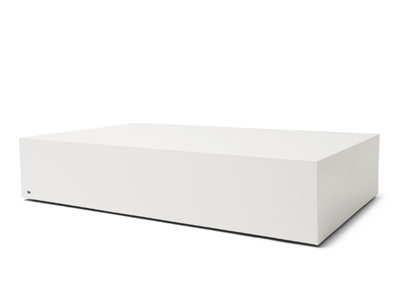 Blinde Design
Move 65 Concrete Coffee Table$1,895
Blinde Design
Move 65 Concrete Coffee Table$1,895
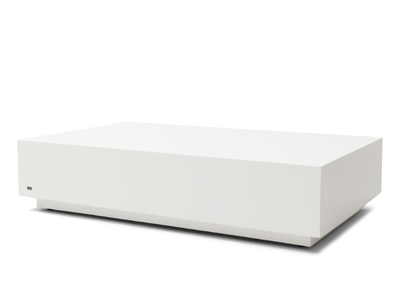 Blinde Design
Dash 50 Concrete Coffee Table$1,495
Blinde Design
Dash 50 Concrete Coffee Table$1,495
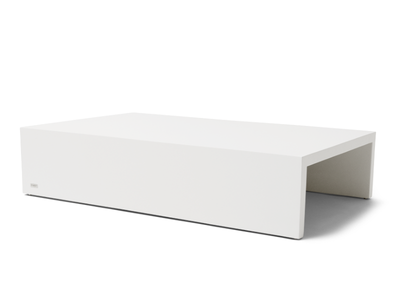 Blinde Design
Niche 50 Concrete Coffee Table$1,895
Blinde Design
Niche 50 Concrete Coffee Table$1,895
We are not manufacturers. We team up with the makers worth buying from, then stand behind them.
AluvyAquascapeBlinde DesignBuschbeckColemane-NRGEcoSmart FireKustom PergolasOaseOchre LivingOtterbinePolitoRhinoSchmickShadowspecValorianiWinter GardenzWittBrands
EcoSmart FireShadowspec UmbrellasOchre LivingSee all brandsWe are Hayden and Tim. Two of us, no call centre. The same person answers the phone before and after you buy.
Who we are
Who is My Acre?Why My Acre?Meet Hayden and TimOur installersContact usWhat we promise
Price beat promiseShipping and deliveryWarranty and claimsReturns and exchangeGuides and resources
Customer resourcesCustomer reviewsJournal Our story


Short answer: A cantilever umbrella needs far more base weight than a centre-pole umbrella of the same size, because the offset canopy acts as a lever rather than sitting directly over the base. Published minimums run from around 80 kg for a small commercial base up to 200 kg once a premium free-standing mount is properly ballasted. Real owners routinely report even substantial weight falling short in ordinary wind.
No single number applies to every cantilever umbrella; we would not pretend otherwise. What follows is what the published specifications actually say for your size of canopy, checked against what owners report once the umbrella is up in their own yard, in the cantilever umbrella range we stock.
A centre-pole umbrella sits directly over its base, so wind load travels straight down. A cantilever holds its canopy out to one side on an arm. That turns the base into the pivot of a lever: the further the canopy sits from the pole, the more leverage the wind gets against it.
That difference shows up directly in published specs. The Shadowspec Oasis, a centre-pole umbrella, uses a 27 kg base for its smallest 2.0 m canopy, stepping up to 45 kg for a 4.0 m canopy. A cantilever of a comparable size needs several times that. The canopy is not heavier; the base is fighting a lever instead of a straight-down load.
Base weight recommendations vary sharply across the market. The gap is not random; it tracks the type of ballast and how the base is engineered.
| Tier | Typical weight | What it’s made of |
|---|---|---|
| Budget, fillable plastic | 60–80 kg | Four-piece HDPE base, filled with water or sand on site |
| Commercial, in-ground or concrete-block | 80–140 kg | Galvanised steel frame holding four to eight concrete blocks |
| Premium free-standing (fully ballasted) | 176–200 kg | A steel base structure plus a dozen concrete pavers as ballast, supplied separately |
That top figure is not a marketing number; it is arithmetic. Shadowspec’s own installation guide for the Serenity and Unity range specifies a 20 kg steel base that requires 12 concrete pavers for ballast, 400 by 400 by 40 mm each, supplied by the buyer. Pavers that size run 13 to 15 kg each at retail. Twelve of them plus the base puts the fully ballasted weight at 176 to 200 kg.

No, not for a cantilever of any real size. Even the lightest centre-pole base in the Shadowspec range starts at 27 kg, for a small 2.0 m canopy. A cantilever needs meaningfully more than a centre-pole umbrella the same size. A 9 kg base suits a small bistro parasol threaded through a table, where the table carries most of the lateral load, not a freestanding cantilever.
Generic rules like “so many kilograms per metre of canopy” are common online. Check two or three side by side and you will find they disagree with each other by a wide margin. Treat any such formula as a rough starting point for your own shortlist, never a final number; check the specific umbrella’s own installation guide before you buy the base.
Ring Hayden on 1300 515 620 before assuming a published minimum will hold in your yard specifically; exposure varies more than any spec sheet accounts for.
The pattern in real reports is consistent. Owners describe substantial weight, sometimes well past 100 kg, still not holding in what they call ordinary wind, not a storm. On Reddit’s r/patiogardening, one owner of a $500 12-foot cantilever with 109 kg of sand bags reports it “isn’t safe to use in anything above a light wind.” A similar account on r/diynz describes a 100 kg water-filled base that “would just blow over immediately” after the umbrella moved to a windier property. On ProductReview.com.au, a Coolaroo Umbrellas reviewer reports the umbrella “overbalances and is not stable,” even on a separately purchased heavy granite base.
That is not the whole picture. Two other owners, on a different umbrella entirely, report satisfaction at 100 kg and 160 kg respectively. A heavier base clearly trends safer; it just does not guarantee an outcome on its own. That is why the fully ballasted 176–200 kg figure above is a floor worth building to, not a ceiling to shave down from.
Base weight also solves a narrower problem than people expect. On a Bunnings Workshop thread on umbrella base sizing, a Bunnings staff reply puts it plainly: a heavy base stops the stand tipping, but the canopy itself can still be destroyed in the same gust. The principle holds for a cantilever too. The base and the canopy are two different problems. Our guide on what actually makes a patio umbrella windproof covers the canopy side in full.

Owners who have tried both routes consistently rate a bolted, permanent fixing above loose weight of any kind. One r/patiogardening owner, running four umbrellas across two styles, put it as flatly as an owner report gets: bolting down beats weights on confidence, full stop. A DIY concrete-and-rod mount on r/diynz, described as “doesn’t go anywhere now,” backs the same conclusion.
Bolting is not automatically safe, though. A ProductReview.com.au reply explains the actual failure mode. Bolts spaced only centimetres apart concentrate enormous torsion on a small patch of concrete; the first strong gust can rip them straight out. The fix is a wide anchor plate that spreads the load, not just a longer bolt.
Loose DIY weight gives inconsistent results for a reason most guides skip: footprint matters as much as raw kilograms. A narrow stack of bricks under a wide canopy behaves differently to the same weight spread across a 400 mm plate. A narrow base still tips as a lever, even when the number on the scale looks adequate.
If the weight is sorted and the umbrella is still moving more than it should, the fix from here is rarely more kilograms. Our guide on how to stop a cantilever umbrella from swaying in the wind works through lock collars, hardware and positioning, the parts of the problem weight alone cannot fix.
Match the base to the specific umbrella’s installation guide, not a generic rule found online. Budget for the fully ballasted weight, not just the base’s own headline figure. Treat a bolted, wide-plate fixing as the more reliable option once the umbrella is going to live in one spot. No published number replaces checking the model in front of you.
For the full range built to hold up under exactly this kind of scrutiny, browse cantilever umbrellas or the bases and accessories that go with them. Ring 1300 515 620 or get a quote and Hayden will tell you the actual weight your specific setup needs, not just the number on the box.

Purchased the retreat outdoor umbrella, had no isuues the quality is nothing but awesome would definitely recommend this product and my Acare was very easy to work with
I purchased the Shadowspec Serenity Cantilever Umbrella from the My Acre team. I have to say, Hayden was really great to deal with, he went above and beyond to help us find the right fit for our beautiful little outdo...
Positive vibes all the way from placing order on a Saturday afternoon, being contacted by Hayden directly when I had an issue with the checkout process, bug fixed, purchase completed and delivery on Tuesday, with foll...
We recently purchased a Hotham fireplace and couldn't be happier with the result. Hayden was extremely helpful in guiding us on the right size for our space, and the installation team did a fantastic job. The whole pr...
Quick delivery and good aftercare service
Australian owned · every order personally followed up
