What are the different types of fireplaces? Most fall into four fuel types - wood, gas, electric and bioethanol - across freestanding, built-in and outdoor fireplaces. Each suits a different home and budget, so here's how to pick the right one for yours.

The Four Primary Fuel Options
Fuel is the first decision, because it drives everything else. Installation, running costs, maintenance and where the fireplace can live all follow from what it burns.
Wood-Burning Fireplaces
Nothing matches a real wood fire for atmosphere. You get the crackle of the logs, the smell of the smoke and proper radiant heat.
The trade-off is work. A wood fireplace needs a flue or chimney, a supply of dry seasoned firewood and regular cleaning. Burn seasoned wood only, never treated or painted timber.
In Australia, solid fuel heater installation is governed by AS/NZS 2918. In NSW, council approval is required before a new appliance goes in, under section 68 of the Local Government Act 1993. Use a qualified installer. Book a sweep every year as well: the CFA describes creosote as a highly flammable black tar-like residue and recommends a professional clean annually.
Traditional Open Hearths
An open hearth is the classic brick or stone fireplace built into the home, with its own chimney. Each one is custom masonry work, so no two look alike. NCC 2022 Part 12.4 sets the basics: a non-combustible hearth running at least 300 mm past the front opening and 150 mm past each side, with the chimney terminating at least 300 mm above the highest part of the building within 3.6 metres.
They're beautiful but not efficient. Much of the heat escapes up the chimney; the open firebox needs a screen to contain sparks and embers.
Slow Combustion Heaters
A slow combustion heater seals the fire behind a glass door and controls the air feeding it. The wood burns slower and far more of the heat ends up in the room.
They suit anyone who wants wood as a genuine heat source rather than an occasional treat. Installation still needs a flue and must comply with AS/NZS 2918.
Gas Fireplaces
Gas gives you a real flame at the push of a button. There's no wood to split, season or store, and no ash to sweep out the next morning.
Modern gas fireplaces heat efficiently, and vented models draw their exhaust safely outside. Whatever model you choose, the connection must be done by a licensed gasfitter. In NSW you need a licence for gasfitting work regardless of what the job costs, residential or commercial. Every state and territory runs its own scheme, so check yours before you book anyone; it protects your home and your insurance.

Electric Fireplaces
Electric is the most DIY-friendly option. Most units plug straight into a standard power point, with no flue, gas line or building work needed.
The flame is an LED effect paired with a built-in heater, so it stays cool to the touch. Wall-mounted, recessed and freestanding console styles suit apartments and rentals especially well; maintenance is close to zero.
Bioethanol Models
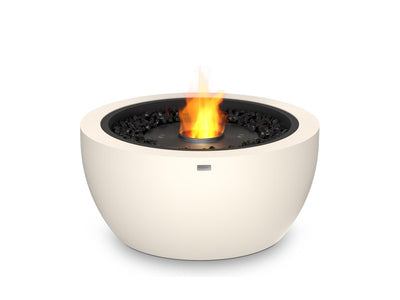
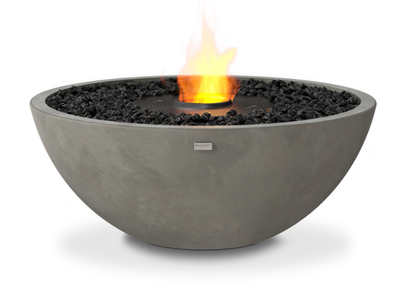
Bioethanol fireplaces burn a clean liquid fuel that gives a real flame with no smoke and no flue. With nothing to vent, they can sit almost anywhere, indoors or out.
Think of them as ambience first, heating second. The warmth is real but gentler than wood or gas. Store the fuel safely and only refill the burner once it has fully cooled.
Curious what's happening inside the burner? Read how a bioethanol fireplace works.
Popular Installation and Design Styles
Once you've settled on fuel, the next question is where the fireplace lives and how it's built in. That choice shapes the install cost as much as the fireplace itself.
Common Placement Options
Placement affects heat, safety clearances and how the room feels. These are the three set-ups you'll see most often in Australian homes.
Freestanding Fireplaces
A freestanding unit stands on its own hearth or legs rather than being built into a wall. Wood heaters, electric consoles and bioethanol burners all come in freestanding form.
They're the easiest style to retrofit, and the electric and bioethanol versions can move house with you.
Built-In Inserts
An insert slots into an existing masonry opening, turning an old open hearth into a sealed, efficient unit. Wood, gas and electric inserts are all available.
The enclosed firebox and glass front push far more heat into the room than the open fireplace they replace. Have the chimney and flue checked by a professional before the first burn.

Outdoor Fireplaces
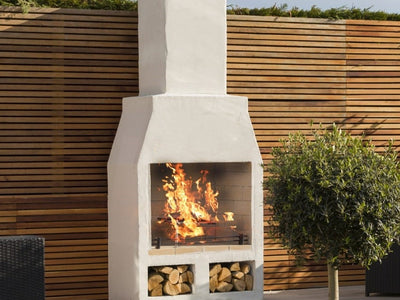
An outdoor fireplace turns a patio or courtyard into a room you'll use well past summer. Masonry outdoor fireplace kits give you a full hearth without a builder, while flueless bioethanol fires drop into alfresco areas with no construction at all.
If you'd rather gather around the flame than sit beside it, fire pits and fire tables put the fire in the middle of the seating instead.
Wherever it goes, allow generous clearance from anything combustible and think about the prevailing wind. Remember too that no outdoor fireplace can be used on a total fire ban day, whatever it burns; for households, the NSW RFS rules exempt only a gas or electric barbecue used for cooking, under conditions. For layout inspiration, see our outdoor fireplace ideas for Australian homes.
Explore Our Range of Heating Solutions
Browse the My Acre range of outdoor fireplaces to compare masonry kits and flueless bioethanol fires side by side. Every piece is chosen for Australian outdoor living, from quiet verandah corners to full entertaining areas. If you're not sure what suits your space, get in touch and we'll point you in the right direction.
You May Also Like:
About the author:
“I have a real passion for helping transform outdoor spaces so people can relax, connect and entertain with confidence and pride. With My Acre, I love guiding homeowners to create beautiful and functional outdoor living areas."