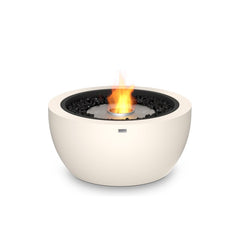
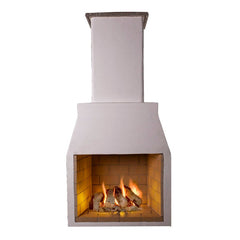
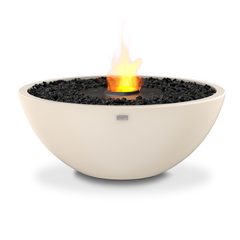
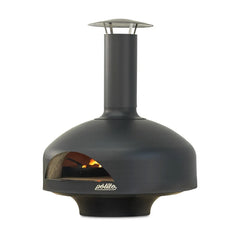
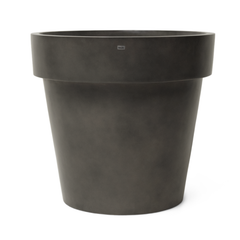
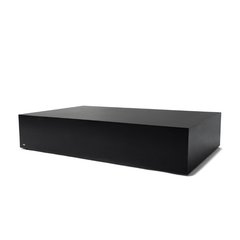
Short answer: A fire pit is low and open, designed for people to sit around, while a brazier is a raised bowl on legs that holds burning coals or wood above the ground. The more important difference is fuel: a wood or charcoal brazier produces smoke and ash, whereas the bioethanol fire pits we stock produce neither.
If that settles the question, you can stop reading here. The sections below cover what each design burns, where it can safely stand and the rules that apply to both on a total fire ban day, since no choice of fuel gets around those.
What is the difference between a brazier and a fire pit?
The difference is height and purpose. Brisbane City Council's brazier and fire pit guidance describes fire pits as shallow and open, sometimes set into the ground. Braziers, by contrast, are upright, more portable and above ground, mainly used for outdoor heating with lighted coals.
The name carries the same meaning, because the English word comes from the French brasier, a pan of hot coals. In a modern backyard the two categories overlap considerably, so the comparison below uses the two outdoor designs we actually sell.
|
Aluvy SAM brazier |
EcoSmart Mix 600 fire pit |
| Fuel |
Wood, charcoal, briquettes |
Bioethanol only |
| Size |
530 mm tall, about 30 kg |
229 mm tall, 20.94 kg |
| Smoke and ash |
Yes |
None |
| Cooking |
Yes, with a plancha or grill |
Never |
| Total fire ban day |
Banned |
Banned |
The Aluvy SAM stands 53 cm high on a 60 x 60 cm footprint and weighs about 30 kg, with walls and feet in cast aluminium that Aluvy describe as stainless, so it can stay outside all year. EcoSmart's Mix 600 is a 600 mm bowl in Fluid Concrete with a stainless steel burner, which makes it a very different object from the campfire on the lawn most people picture.
What do you burn in a brazier?
Wood, charcoal or briquettes, never rubbish. Aluvy's SAM user manual lists wood, charcoal, wood or coconut briquettes and vine cuttings, with a limit of 1.5 kg of fuel while cooking. The manual also specifies firelighters that meet EN 1860-3, never alcohol or petrol, followed by a wait of 30 to 40 minutes for a layer of ash to form before any food goes on.
Brisbane's guidance asks for clean, dry wood or charcoal in a brazier, never painted or treated timber, plastics or household rubbish. In South Australia the Country Fire Service notes that EPA rules allow only charcoal for comfort fires within metropolitan areas and township boundaries.
A bioethanol fire pit is the opposite case, since EcoSmart's safety instructions prohibit wood, charcoal or paper in the fire and rule out using the appliance for cooking altogether, so the fuel decides what you can do with the flame, not the shape of the bowl.
Why an old drum is not a brazier
Owners recommend drums regardless: commenters on an Australian Bunnings round-up suggest a cut-down 44-gallon drum or a washing machine drum, while viewers of a camping comparison video describe the same stainless tub mounted on a stand.
Owners of solid-sided steel pits in a folding pit comparison report drilling holes or cutting slots so the coals can breathe. Brisbane's rules cut across the drum habit entirely: a backyard fire there must not burn in a used drum or on the ground.
Brisbane requires a brazier or fire pit that stops burning material escaping, lets air in from below and at the sides, with an ash tray underneath portable units. That describes a purpose-built brazier rather than a drum. The airflow those owners were cutting in by hand is part of the design from the start.
Where can a brazier or fire pit stand?
On a surface that cannot burn, with open space around it. Victoria's CFA fire pit safety advice asks for a flat, stable base such as gravel, bare earth or paving, with 3 metres clear around and above the flames. The same advice calls for at least 10 litres of water or a hose within reach.
Radiant heat also travels downward: brazier owners on a muzzleloading forum describe scorched grass and a scorched table beneath braziers set straight down. Owners on a caravan forum credit legs or bricks with protecting the surface underneath. Aluvy want the SAM level and stable, never positioned above synthetic turf or a nylon rug.
EcoSmart's clearance requirements rule out grass, artificial turf, carpet, rock or any uneven surface for its fire pits. The adjustable feet must stay on to leave at least 12.5 mm of air beneath the sidewalls, with 600 mm between the flame and nearby furniture plus 2,000 mm to overhanging branches.
Are fire pits and braziers legal in Australia?
Usually, with conditions that change by state and local government. Brisbane allows both in residential areas provided the smoke does not affect neighbours, although only above-ground fire pits are legal there. The same guidance rules out lighting one under a roof, on a balcony or within 2.5 metres of anything combustible.
Seasonal rules add another layer: the NSW Rural Fire Service requires a permit to light a fire in the open during the Bush Fire Danger Period, which runs from 1 October to 31 March by statute; local conditions can vary those dates. South Australia's CFS permits braziers during its Fire Danger Season only with a permit.
On a total fire ban day, the fuel makes no difference. The NSW RFS total fire ban rules mean no fires out in the open, while the CFA's can I or can't I list bans all fires for warmth or comfort, including fire pits and braziers. A bioethanol fire pit is not exempt; our guide to backyard fire pit rules covers the detail, but your council has the final word.
Which suits your backyard?
Choose a brazier if the attraction is the flame itself: glowing coals, radiant heat and something cooking over them. The Aluvy SAM Basalt accepts a stainless plancha for cooking plus a cover for the off-season, although it still brings smoke, ash and possibly a neighbour who does not share your enthusiasm.
Choose a bioethanol fire pit for a small courtyard, a narrow suburban block or a household that wants the flame without the washing smelling of smoke. The EcoSmart Mix 600 is the lowest-priced of the five EcoSmart fire pits we stock.
One honest exception applies to both. If the goal is outdoor heating on the occasional winter evening and nothing more, a plain steel bowl from a hardware store will do the job for far less money. Expect to replace it: one owner reviewing a hardware-store fire bowl reported the previous one rusting out in about two years.
Buying either from us
Whichever design you choose, check the fire danger rating before every use. The price-beat promise covers both products: if you find the same one for less elsewhere, we will beat that price. Every order comes with owner's after-care, including a check-in within a week of delivery; we also handle any warranty claim on your behalf. EcoSmart fire pits also include free delivery.
If you are undecided between the two, ring me on 1300 515 620 to describe the outdoor space. I will give you a straight answer, even when that answer is the less expensive option.
You May Also Like:
About the author:
“I have a real passion for helping transform outdoor spaces so people can relax, connect and entertain with confidence and pride. With My Acre, I love guiding homeowners to create beautiful and functional outdoor living areas."