
Lisa B
★★★★★
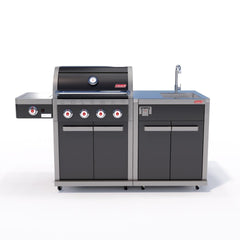
10 Nov 2026Great customer service - they rang me to tell me exactly when my bbq was coming, they also sent over the instructions and price honoured me. 10/10.
Price beat promise

Most chosen
Not sure which one?
Hayden, co-owner
Tell me about your space and I will point you to the right fire. I reply the same business day.
Call 03 7073 2116Drinks
Outdoor bar fridgesMost chosen
Not sure which one?
Hayden, co-owner
Tell me what you love to cook and I will point you to the right setup. I reply the same business day.
Call 03 7073 2116Pergolas
Louvre roof pergolasAccessories
Umbrella accessoriesMost chosen
Not sure which one?
Hayden, co-owner
Tell me the area you want to shade and I will point you to the right size. I reply the same business day.
Call 03 7073 2116Brands
AquascapeOaseOtterbineElevateBBA BiosolutionKellockPietro StonewareBiancoAtlas FiltriDAB PumpsWater MasterMost chosen
Not sure which one?
Hayden, co-owner
Tell me what you need the water to do and I will point you to the right pump, filter or water feature. I reply the same business day.
Call 03 7073 2116Most chosen
Not sure which one?
Hayden, co-owner
Tell me what you are planning and I will point you to the right fit. I reply the same business day.
Call 03 7073 2116Not sure which one?
Hayden, co-owner
Tell me what you are planning and I will point you to the maker that suits it. I reply the same business day.
Call 03 7073 2116Guides and resources
Talk to Hayden
Hayden and Tim, owners
Ring before you buy. I will tell you what suits your space and what to avoid, even when that means spending less.
Our storyCall 03 7073 2116
Fire
Most chosen
Water
Most chosen
Garden & Furniture
Most chosen
Brands
About
Who we are
Who is My Acre?Why My Acre?Meet Hayden and TimOur installersContact usWhat we promise
Price beat promiseShipping and deliveryWarranty and claimsReturns and exchangeGuides and resources
Customer resourcesCustomer reviewsBlogs


Short answer: The haze on a bioethanol fire screen is a thin film of combustion byproduct condensing on cool glass, not soot. It comes off with warm water and a little mild soap for routine cleaning, or a vinegar wipe for a heavier film. Let the screen cool for at least two hours first, work it in one direction then a second pass to finish streak-free, and skip anything abrasive.
None of My Acre's EcoSmart fire pits or fire tables incorporate a glass front as standard. The glass belongs to the six Fire Screens sold as accessories, tempered-glass wind guards that position over the burner flame rather than fully enclosing it. If you're picturing a sealed glass box like a gas fireplace, a bioethanol burner doesn't operate that way: the flame stays open to the air; the screen's job is to stabilise it in a breeze, not contain it.
A cloudy film on the inside of a fire screen is condensed combustion byproduct, not the black soot a wood fire leaves behind. It is a residue problem, not a dirt problem. Bioethanol burns close to clean, but no burn is perfect. The film that does form settles on the coolest surface nearby: the glass itself, rather than the surrounding stainless steel components.
EcoSmart's own burner guidance describes the same accumulation on the metal. Clean the burner after approximately 50 litres of fuel, or as soon as black deposits appear near the opening, using hot soapy water followed by a stainless wipe finished in the direction of the grain. The screen collects the same kind of residue on a considerably slower schedule, simply because it sits further from the flame.

Let the screen cool for at least two hours before touching it; glass retains heat considerably longer than the stainless around it. For routine cleaning, warm water with a small quantity of mild dish soap typically lifts most of the film, wiped with a soft cloth rather than anything textured. For a heavier haze, a vinegar-and-water solution or a proper glass cleaner cuts through it effectively without touching the finish. One bioethanol fireplace maker's own care guidance recommends exactly this approach: a non-scratch pad with warm water and a little washing-up liquid, never anything abrasive on the glass itself.
Dry it in one direction, then a second, lighter pass to eliminate streaking. A quick wipe after each use keeps the film from accumulating; a proper clean once a week under regular use stops it becoming a job.

If the glass looks hazy, it's doing exactly what bioethanol glass does. Clean it cool, clean it mild, and skip the abrasive pad your instinct reaches for. Every EcoSmart Fire Screen ordered through My Acre ships with free delivery and our price-beat promise, and Hayden checks in within the week to make sure it fitted and settled in properly, warranty handled by us if it ever needs it. Browse EcoSmart Fire Accessories for the Fire Screen that matches your burner, or get a quote and Hayden will confirm the right size before you order.

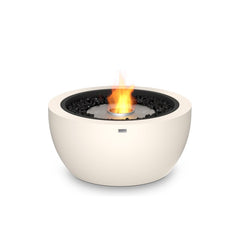
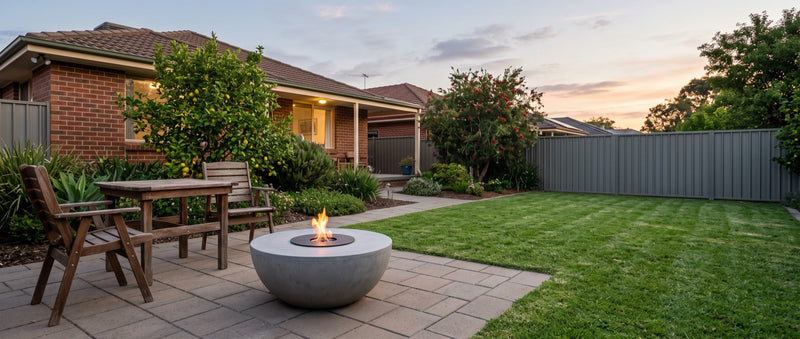 Fire Pits and Fire Tables
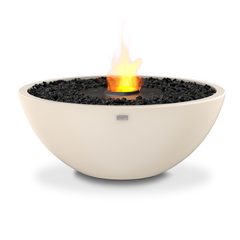
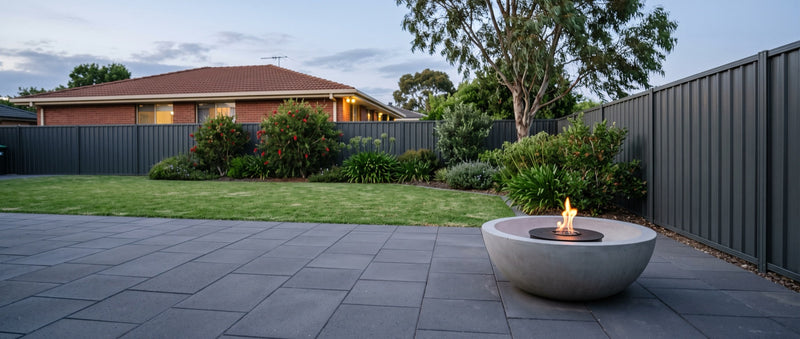 Fire Pits and Fire Tables
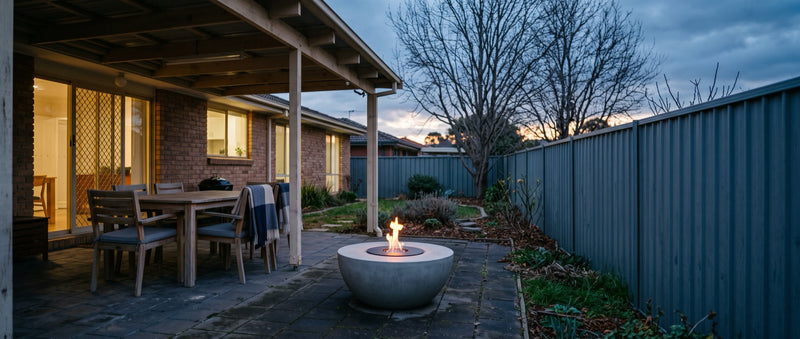 Fire Pits and Fire Tables

Want a written quote?
Tell me what you are after. I send it the same business day.
Great customer service - they rang me to tell me exactly when my bbq was coming, they also sent over the instructions and price honoured me. 10/10.
Great table delivered quickly! Very happy
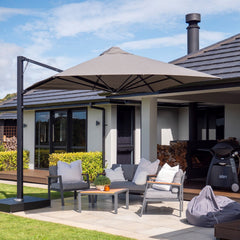
We recently had a Serenity Cantilever umbrella installed and the My Acre team were fabulous. From initially advising us what would suit our tricky terrace best, to keeping us informed on delivery and installation and ...
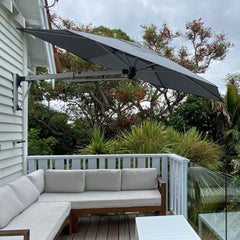
Really happy with my Shadowspec Retreat wall-mounted umbrella. Hayden at My Acre has been great — always quick to respond and very helpful. I recently needed to make a small warranty claim, and Hayden organised everyt...
Thanks to the My Acre team delighted with the end product of the Umbrella cantilever shade. In all respects Hayden was fantastic details, invoicing, adjusting delivery to suit us and supporting the installation with a...
Australian owned · every order personally followed up