Wondering how to maintain an outdoor fireplace? Clear the ash once it's cold, sweep the flue every year, and keep rain off the unit through winter. That routine keeps most outdoor fireplaces safe for decades. Below is the full schedule for wood, gas and masonry models.

Essential Cleaning and Servicing Procedures
Most fireplace problems start with skipped cleaning. Ash and soot build up quietly; each causes damage in its own way. Work through the jobs below based on your fuel type.
Upkeep for Wood-Burning Models
Wood burners need the most regular attention. Burn only dry, seasoned wood, never treated or painted timber. Wet or green wood burns cool and smoky, which speeds up creosote build-up in the flue.
Safe Ash Removal and Disposal
Let the ash cool completely, then shovel it out. Don't leave it sitting between burns. Ash holds moisture, and damp ash resting against a steel firebox will corrode it over time.
Store the ash in a metal container with a tight-fitting lid, well away from anything flammable. The Queensland Fire Department notes that charcoal can take up to 48 hours to cool; it warns against tipping hot coals into garden beds or anywhere else they might catch. Once it's fully cold, ash from untreated wood can go on garden beds or in the compost.
Clearing Creosote Build-Up
Creosote is the tar-like residue that wood smoke leaves inside the flue. The CFA describes it as a highly flammable black tar-like residue that clogs chimneys and causes chimney fires; it puts the build-up down to burning the wrong fuel, green wood and treated timber especially. Have the flue swept at least once a year, and more often if you burn most nights through winter.
Between sweeps, slow the build-up by burning dry seasoned wood in a hot, well-aired fire. Never try to burn creosote off with an extra-large fire. That's how chimney fires start.
Caring for Gas Alternatives
Gas models skip the ash and creosote but still need a routine. Any work on the gas connection itself must be done by a licensed gasfitter; in NSW that licence is required whatever the job costs. State rules on DIY work differ, and our guide on whether you can install a fireplace yourself in Australia covers where the line sits.
Inspecting Regulators and Valves
Check the hose, regulator and valve connections each season for cracks or perishing. Brushing soapy water over the joints will show bubbles if gas is escaping. If you find a leak, or the flame burns weak or yellow, stop using the fireplace and book a licensed gasfitter.
Unblocking Burner Ventilation
Burner ports clog with dust, cobwebs and insect nests, especially after the unit sits unused over summer. Turn the gas off, let everything cool, then clear the ports with a soft brush. Blocked ports cause uneven, sooty flames, so do this before the first burn of the season.

Restoring Masonry and Metal Exteriors
The outside of the fireplace cops the weather all year, so give it a seasonal once-over. Check mortar joints and render each season, and patch small gaps before water gets in and makes them worse.
Scrubbing Soot from Brick and Stone
Warm soapy water and a stiff brush shift most soot from brick and stone. Work from the top down, then rinse well. Skip harsh acid cleaners unless the manufacturer recommends them.
Hairline cracks in concrete or render are common as the material heats and cools. Keep an eye on them. Anything wide, spreading or structural deserves a professional look.
Preventing Rust on Steel Surfaces
Surface rust is normal on raw steel finishes, and many owners like the weathered look. Where a painted or coated finish is wearing thin, sand it back lightly and touch it up with a high-temperature paint. On bare steel, a wipe-over with a suitable protective oil does the same job. Act when the coating first wears, not after rust takes hold.

Weatherproofing and Long-Term Protection
Rain does more long-term damage than fire ever will. A little protection through the wet months saves a lot of scrubbing and repainting later.
Shielding Your Setup from the Elements
Water is the enemy of steel fireboxes, mortar and render alike. The aim is simple: keep the unit as dry as you can through winter.
Using Custom Weather Covers
A fitted cover keeps rain out of the firebox and off steel surfaces between burns. Wait until the fireplace is completely cold before covering it. If a cover won't fit your unit, sheltering it under a roofline or moving a portable model undercover works too. You'll find covers and care gear among our fireplace accessories.
Inspecting Chimneys and Flues
Look over the chimney or flue before each burning season. Check for bird nests, leaf litter, rust on flue sections, and loose cowls or caps. A blocked or leaking flue pushes smoke back out the front of the fireplace, so sort it before the first fire of the year.
Professional Inspections and Longevity
Some jobs are worth paying for. A professional catches problems you can't see from the ground; the visit costs far less than a rebuild.
Booking an Annual Chimney Sweep
Book a professional sweep once a year for any wood burner, ideally before winter. A sweep clears the creosote and will flag flue damage or dodgy installation work. Solid fuel heater installation is governed by AS/NZS 2918, the standard NSW councils assess a new appliance against under section 68 of the Local Government Act 1993, and a good sweep knows what it should look like. Gas units need a licensed gasfitter service instead, on the schedule the manufacturer recommends.
Maximising Your Heater's Lifespan
Treat heat gently and the fireplace lasts decades. Start fires small and build them up slowly, especially with a new masonry or concrete unit, so the material warms evenly instead of cracking. Never douse a fire with water; let it die down on its own.
Keep total fire ban days in mind too. Under the NSW RFS total fire ban rules, you cannot light, maintain or use a fire in the open, so an outdoor fireplace stays cold whatever it burns; the exemption covers electric and gas barbecues used for cooking, under conditions such as an adult in attendance and no combustible material within two metres. Other states word it differently, so check with your local fire authority.
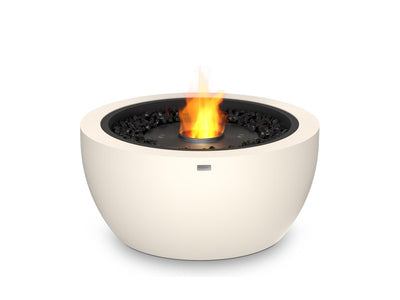
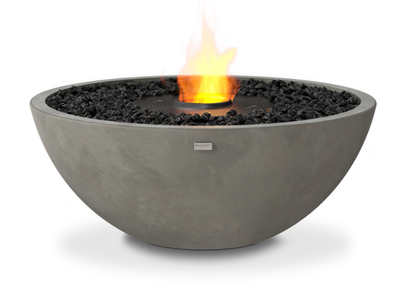
If low upkeep is the goal, bioethanol burners are the easy option. There's no soot and no flue, just a quick wipe-down after use. Still planning your setup? Our guide on how to build an outdoor fireplace compares the materials that last longest.
Explore Premium Alfresco Heating Options
If your current unit is past saving, or maintenance has you eyeing something better built, browse the My Acre range of outdoor fireplaces. The range covers wood burners, gas models and low-upkeep bioethanol designs, all chosen for Australian conditions. Delivery is available Australia-wide.
You May Also Like:
About the author:
“I have a real passion for helping transform outdoor spaces so people can relax, connect and entertain with confidence and pride. With My Acre, I love guiding homeowners to create beautiful and functional outdoor living areas."