
Matt P
★★★★★
6 Sep 2026Purchased the retreat outdoor umbrella, had no isuues the quality is nothing but awesome would definitely recommend this product and my Acare was very easy to work with
Price beat promise.
The fire is the centrepiece of an Australian backyard. Everything else arranges itself around it.
View the full rangeBrands
Categories
Fireplace accessoriesWood for the fire and the flavour, gas for a Tuesday. Plenty of people end up with one of each.
View the full rangeBrands
The outdoor room, from the cooking end through to a fridge that keeps up in February, and a bath under the trees.
View the full rangeBrands
Most umbrellas fail in the first serious wind. These are engineered not to, and a louvre roof handles the rain as well.
View the full rangeBrands
Categories
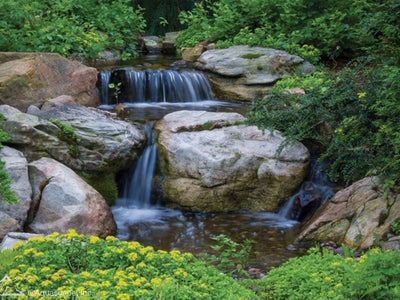
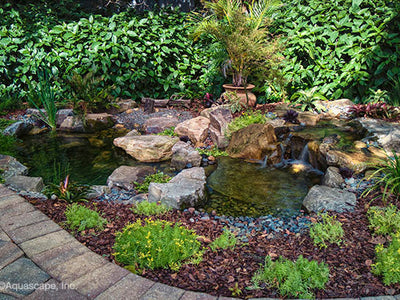
Umbrella accessoriesMoving water without an open pond. The reservoir sits below ground, so there is nothing to fence or net.
View the full rangeBrands
Categories
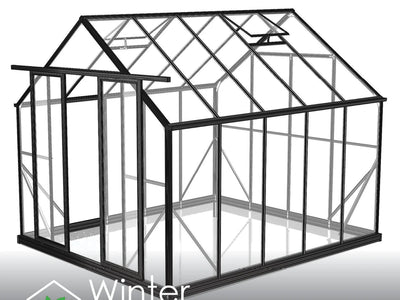
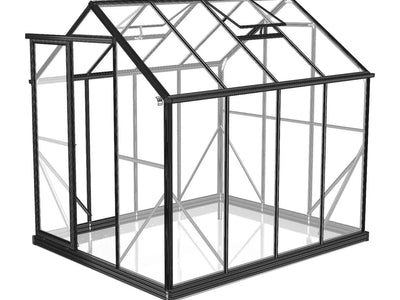
Start six weeks earlier in spring and keep growing through winter, in a greenhouse built for Australian sun.
View the full rangeBrands
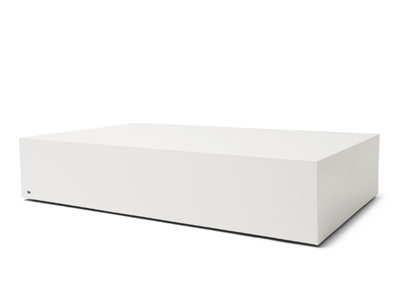
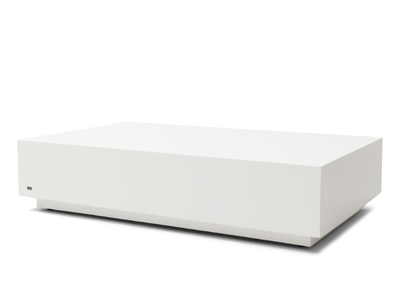
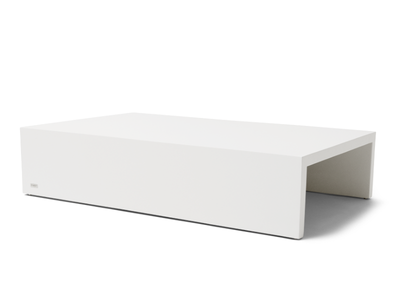
Cast concrete, heavy enough to stay exactly where you put it, finished to weather the way stone does.
View the full rangeBrands
Categories
We are not manufacturers. We team up with the makers worth buying from, then stand behind them.
See all brandsCustomer favourite brands
We are Hayden and Tim. Two of us, no call centre, and the same person answers the phone before and after you buy.
Our storyRead and learn
Ring before you buy. I will tell you what suits your space, and what to avoid, even when that means spending less.
Get a quoteCall for a quoteCall 1300 515 620The fire is the centrepiece of an Australian backyard. Everything else arranges itself around it.
Outdoor FireplacesEthanol Fire TablesEthanol Fire PitsEthanol Fire Pit KitsFireplace accessoriesBrands
EcoSmart FireOchre LivingBuschbeckView the full rangeWood for the fire and the flavour, gas for a Tuesday. Plenty of people end up with one of each.
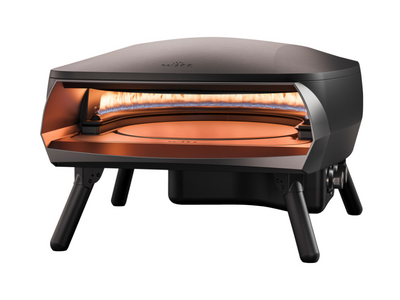
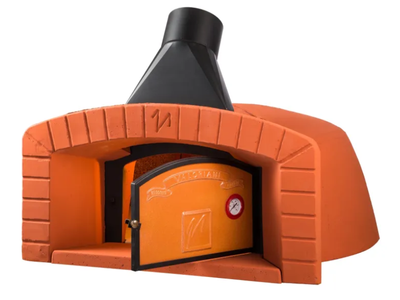
Wood Fired Pizza OvensGas Pizza OvensPizza oven accessoriesBrands
ValorianiPolitoWittView the full rangeThe outdoor room, from the cooking end through to a fridge that keeps up in February, and a bath under the trees.
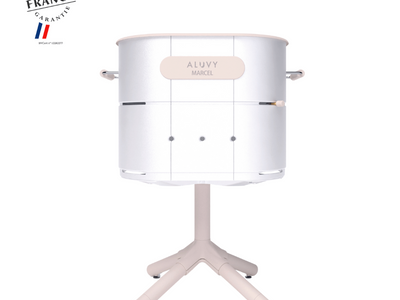
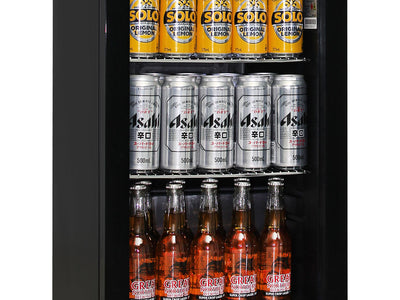
Outdoor KitchensCharcoal BarbecuesBar FridgesCovers and accessoriesBrands
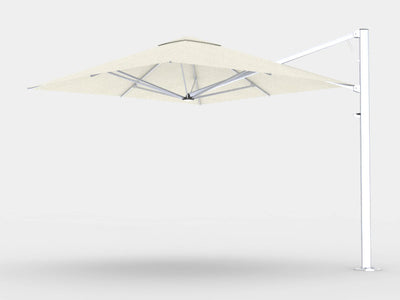
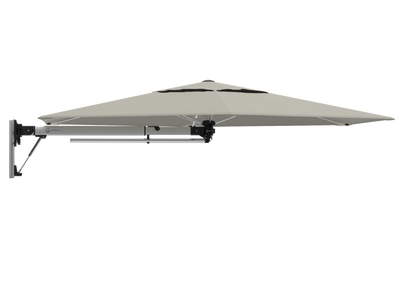
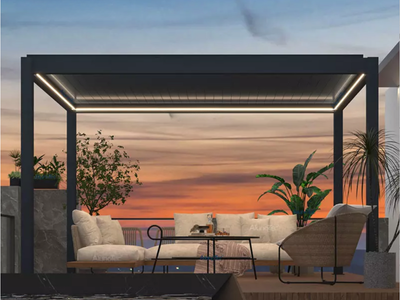
SchmickAluvyView the full rangeMost umbrellas fail in the first serious wind. These are engineered not to, and a louvre roof handles the rain as well.
Cantilever UmbrellasWall UmbrellasMarket UmbrellasCommercial UmbrellasLouvre PergolasUmbrella accessoriesBrands
ShadowspecKustom PergolasView the full rangeMoving water without an open pond. The reservoir sits below ground, so there is nothing to fence or net.
FountainsWaterfallsPondsPond EquipmentBrands
AquascapeView the full rangeStart six weeks earlier in spring and keep growing through winter, in a greenhouse built for Australian sun.
GreenhousesPlantersGreenhouse accessoriesBrands
Winter GardenzBlinde DesignView the full rangeCast concrete, heavy enough to stay exactly where you put it, finished to weather the way stone does.
Coffee TablesBrands
Blinde DesignView the full rangeWe are not manufacturers. We team up with the makers worth buying from, then stand behind them.
EcoSmart FireSchmickRhinoShadowspecValorianiPolitoWittAluvyOchre LivingBuschbeckKustom PergolasWinter GardenzBlinde DesignAquascapeE-NRGBrands
EcoSmart FireShadowspecOchre LivingSee all brandsWe are Hayden and Tim. Two of us, no call centre, and the same person answers the phone before and after you buy.
Who we are
Who is My Acre?Why My Acre?Meet Hayden and TimOur installersContact usWhat we promise
Price beat promiseShipping and deliveryWarranty and claimsReturns and exchangeRead and learn
Our brandsCustomer resourcesCustomer reviewsBlogs Our story
Can you install a fireplace yourself in Australia? Sometimes. Plug-in electric models and most freestanding outdoor fireplaces are DIY friendly, but wood heaters and gas units legally need a licensed installer. Here's exactly where the line sits before you pick up a drill.

In Australia, putting in a fireplace counts as regulated construction work. The AS/NZS 2918 standard covers solid fuel appliances like wood heaters, and your local building codes sit on top of it.
Yes, in almost every Australian home. The rules cover how the fireplace goes in, and who's allowed to do the work.
Victoria is a good example. A wood heater doesn't need a building permit there, but a licensed plumber still has to do the install. Permits and installation rules are two separate hurdles, and clearing one doesn't clear the other.
So check your council and state rules before you start. Chimney and fireplace codes are enforceable by law.
Keep every certificate, invoice and installer detail once the job's done. Your insurer will want them if anything ever goes wrong.

Where the DIY line sits depends on the fuel. A plug-in electric fireplace is yours to position and switch on. Site prep, hearth construction and clearance checks are also fair game for a capable homeowner.
Past that point, it's professional territory. Get the flue drafting wrong and smoke or carbon monoxide can end up inside the house. Even swapping out an existing fireplace can involve:
A certified installer reads the manufacturer specs and keeps the job compliant with AS/NZS 2918 and your building code. They also handle the gas lines, pilot-light connections and electrical work that's off limits to DIY.
Each fuel type has its own rules, and the gap between them is wide. Here's what installation looks like for electric, wood and gas.
Electric is the genuine DIY option. There's no fuel to store and no flue or chimney to build. Zero-clearance designs are light enough that installation usually means positioning the unit and plugging it in.
One caveat: any hard-wiring into your switchboard needs a licensed electrician.
Wood heaters sit at the other end of the scale. AS/NZS 2918 sets the key requirements:
| Requirement | Specification | Importance |
|---|---|---|
| Flue Height | Minimum 4.6 metres from hearth to flue cap | Ensures proper smoke ventilation |
| Clearance | Minimum 3 metres around the flue end | Enhances safety |
| Chimney Height | At least 600mm above the roofline | Prevents smoke nuisance |
| Hearth Materials | Non-combustible tiles, stone or slate | Prevents fire hazards |
Follow the manufacturer's manual for side, rear and corner clearances from anything combustible. The hearth needs non-combustible tiles, stone or slate, and it has to extend past the fireplace opening.
Check the required thickness and projection in front of the firebox before you build. Floor joists may need reinforcing underneath, too.
The flue must run at least 4.6 metres from the hearth to the flue cap. The chimney needs to clear the roofline by at least 600 millimetres, and sit no more than 1 metre above neighbouring rooftops.
Getting a flue through ceilings and roofs takes drop boxes and penetration kits, and this is where the fire risk concentrates. Confirm the route with a qualified installer before you buy a single component.
Gas gives you efficient heat with very little upkeep. It's also the least DIY-friendly option of all.
Gas lines and pilot-light connections must be done by a licensed gasfitter in every state and territory. Some jobs need approvals beyond the purchase itself, so confirm the paperwork before the unit arrives.
Bad flue drafting can push smoke or carbon monoxide back into the house. That's the single biggest reason gas installs are restricted to professionals.
Once the unit's running, ventilation matters. Carbon monoxide detectors are worth checking monthly.

If the indoor rulebook feels like more project than you wanted, the outdoor route is far simpler. Most freestanding outdoor fireplaces arrive ready to sit on a non-combustible surface, with no flue to run and no plumber to book. Browse the My Acre range and find one that suits your space.

Purchased the retreat outdoor umbrella, had no isuues the quality is nothing but awesome would definitely recommend this product and my Acare was very easy to work with
I purchased the Shadowspec Serenity Cantilever Umbrella from the My Acre team. I have to say, Hayden was really great to deal with, he went above and beyond to help us find the right fit for our beautiful little outdo...
Positive vibes all the way from placing order on a Saturday afternoon, being contacted by Hayden directly when I had an issue with the checkout process, bug fixed, purchase completed and delivery on Tuesday, with foll...
We recently purchased a Hotham fireplace and couldn't be happier with the result. Hayden was extremely helpful in guiding us on the right size for our space, and the installation team did a fantastic job. The whole pr...
Quick delivery and good aftercare service
Australian owned · every order personally followed up
