
Lisa B
★★★★★
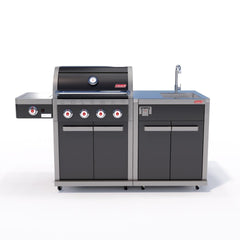
10 Nov 2026Great customer service - they rang me to tell me exactly when my bbq was coming, they also sent over the instructions and price honoured me. 10/10.
Price beat promise

Most chosen
Not sure which one?
Hayden, co-owner
Tell me about your space and I will point you to the right fire. I reply the same business day.
Call 03 7073 2116Most chosen
Not sure which one?
Hayden, co-owner
Tell me what you love to cook and I will point you to the right setup. I reply the same business day.
Call 03 7073 2116Most chosen
Not sure which one?
Hayden, co-owner
Tell me the area you want to shade and I will point you to the right size. I reply the same business day.
Call 03 7073 2116Ponds and fountains
FountainsPondless waterfallsPond kitsDam aerators and fountainsPond filters and equipmentPool care
Robotic pool cleanersBrands
AquascapeAtlas FiltriBBA BiosolutionBeatbotBiancoClayTechDAB PumpsElevateKellockOaseOtterbinePietro StonewareRobo-TekWater MasterNot sure which one?
Hayden, co-owner
Tell me what you need the water to do and I will point you to the right pump, filter or water feature. I reply the same business day.
Call 03 7073 2116Where to start
Not sure which one?
Hayden, co-owner
Tell me what you are planning and I will point you to the right fit. I reply the same business day.
Call 03 7073 2116Spas
Spas and hot tubsComingSwim spasComingNot sure which one?
Hayden, co-owner
Tell me how you want to relax and I will point you to the right spa or sauna. I reply the same business day.
Call 03 7073 2116Not sure which one?
Hayden, co-owner
Tell me what you are planning and I will point you to the maker that suits it. I reply the same business day.
Call 03 7073 2116
Fire
Most chosen
Outdoor Kitchens
Most chosen
Shade
Most chosen
Water
Ponds and fountains
FountainsPondless waterfallsPond kitsDam aerators and fountainsPond filters and equipmentPool care
Robotic pool cleanersGarden
Where to start
Spas & Saunas
Spas
Spas and hot tubsComingSwim spasComingBrands
About
Who we are
Who is My Acre?Why My Acre?Meet Hayden and TimOur installersContact usWhat we promise
Price beat promiseShipping and deliveryWarranty and claimsReturns and exchangeGuides and resources
Customer resourcesCustomer reviewsBlogs

Can I put a fireplace in my house in NSW? Yes. No state rule stops you, but wood heaters must meet AS/NZS 2918, some councils restrict them in smoke-prone areas, and heritage homes need consent. Here’s the NSW rulebook, plus the outdoor fireplaces route that skips most of it.

NSW planning decides your fireplace through one of three doors: exempt development, a complying development certificate, or full development consent. Which door applies comes down to what you're building, not what you're burning.
Buying a fireplace isn't the trigger. Building work is. A freestanding unit that sits in place needs nothing from council, while structural work brings the planning system into play.
Councils also police smoke under their local laws, and some NSW councils restrict new solid fuel heaters in smoke-prone areas. Ring yours before you commit, and ask for the answer by email so you have it in writing.
A standalone electric or freestanding wood heater is an appliance. You can position it without consent, provided the installation itself is done to standard.
A built-in fireplace is construction. Once there's a chimney, a masonry surround or structural work to your walls or roof, building rules apply and council gets a say.
NSW's exempt development codes let minor works proceed without approval, subject to strict conditions like boundary setbacks. A flue that penetrates your roof is building work, and whether it fits the exempt criteria depends on your property and the spec.
If the job doesn't tick every exempt condition, you'll need a complying development certificate or consent. Don't assume; confirm your address against the criteria with council or a private certifier.
Heritage-listed homes and conservation areas play by different rules. The standard exemptions generally don't apply, so expect to lodge for consent, especially for a chimney that changes the roofline. Factor the approval time into the project before winter arrives.

Once the planning question is settled, two sets of rules govern the fireplace itself: emissions rules from the EPA, and construction rules from the Australian standards.
New wood heaters sold and installed in NSW must meet the Australian emissions standards and carry a compliance plate. Fuel matters just as much: dry, seasoned wood only. Treated, painted or wet timber produces the smoke that gets neighbours ringing the council.
Run the heater hot with the air controls open until the fire is established, and don't choke it down to smoulder overnight. A chimney that smokes heavily can earn you a smoke abatement notice, which is enforceable. Good operation is the difference between a warm house and a dispute.
The AS/NZS 2918 standard sets out how a domestic solid fuel appliance must be installed. Three parts of it do most of the work.
The hearth must be non-combustible, tiles or stone, and extend beyond the fireplace opening to protect the floor and walls from heat. Keep the manufacturer's stated clearances from anything combustible, and check the floor can carry the weight before the unit goes in.
The flue needs at least 4.6 metres from hearth to flue cap to draw properly and clear smoke safely. The chimney's job is venting smoke and preventing carbon monoxide build-up, so it must terminate correctly above the roof and keep its distance from combustible materials.
Gas connections are non-negotiable: a licensed gasfitter, every time. For wood heaters, use a qualified installer and keep the compliance paperwork for your insurer.
Wondering how much of the job you can legally do yourself? We've answered that in detail in Can you install a fireplace yourself in Australia?

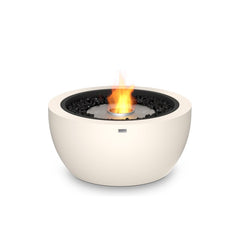
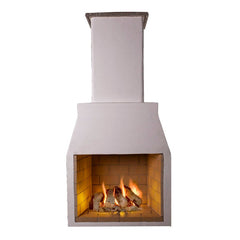
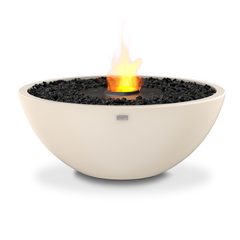
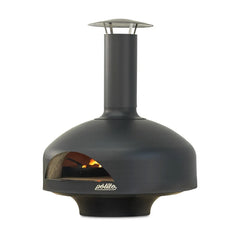
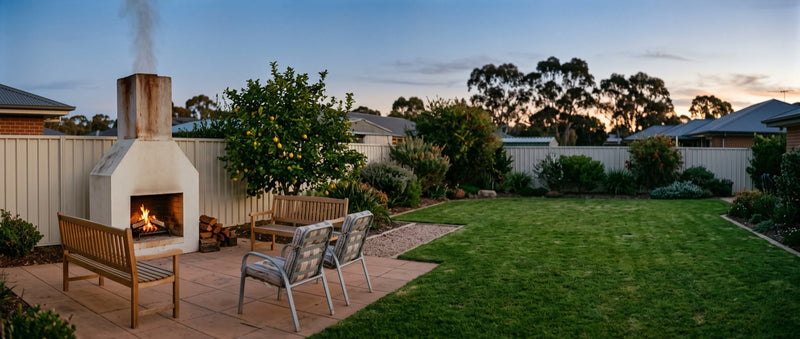
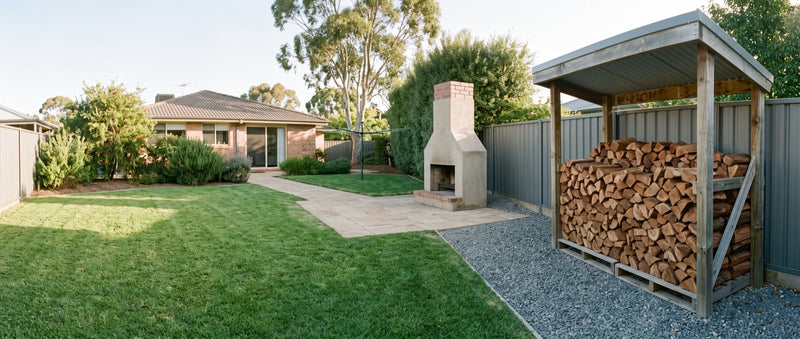
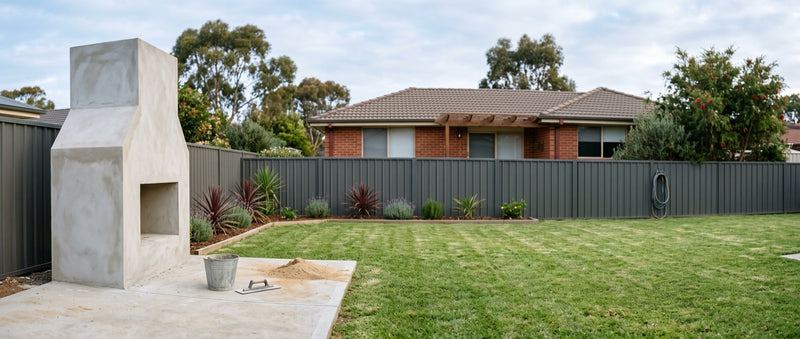
If the NSW rulebook has you rethinking an indoor build, the outdoor path is simpler: most freestanding outdoor fireplaces sit on a non-combustible surface with no development consent needed to place them. Browse the My Acre range and find one that suits your block.

 Outdoor Fireplaces
 Outdoor Fireplaces
 Outdoor Fireplaces

Want a written quote?
Tell me what you are after. I send it the same business day.
Great customer service - they rang me to tell me exactly when my bbq was coming, they also sent over the instructions and price honoured me. 10/10.
Great table delivered quickly! Very happy
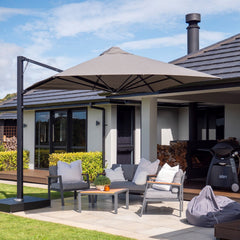
We recently had a Serenity Cantilever umbrella installed and the My Acre team were fabulous. From initially advising us what would suit our tricky terrace best, to keeping us informed on delivery and installation and ...
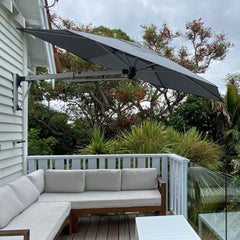
Really happy with my Shadowspec Retreat wall-mounted umbrella. Hayden at My Acre has been great — always quick to respond and very helpful. I recently needed to make a small warranty claim, and Hayden organised everyt...
Thanks to the My Acre team delighted with the end product of the Umbrella cantilever shade. In all respects Hayden was fantastic details, invoicing, adjusting delivery to suit us and supporting the installation with a...
Australian owned · every order personally followed up