Short answer: A certified bioethanol fire pit needs 600 mm of clearance from a fence, wall or railing, the minimum EcoSmart Fire sets for its outdoor burners. A wood-burning fire pit needs several times that: Victoria's CFA calls for a 3 metre clear zone once a Fire Danger Period is declared, and Queensland requires a safe distance plus a permit once the fire runs wider than 2 metres in any direction. Those are two different numbers for two different fuels, not two opinions on the same fire.
Mixing the two up is the most common mistake in this whole topic. Check the fuel type before you measure anything against the fence, and see our full EcoSmart Fire range for the compact models this 600 mm figure is built around.
The 600 mm figure applies to bioethanol
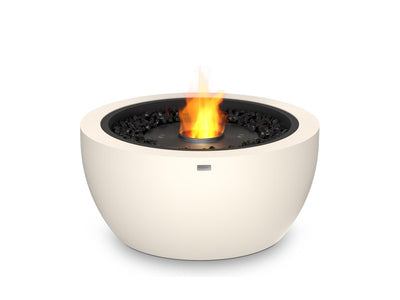
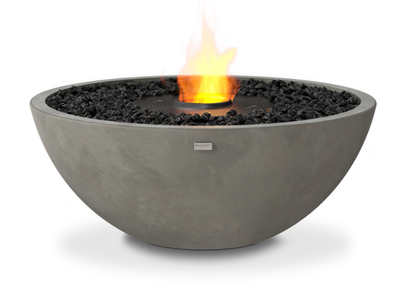
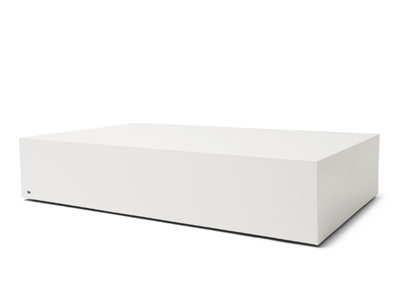
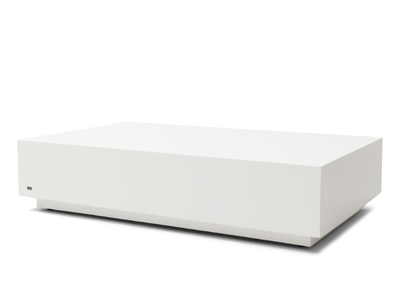
For a certified bioethanol fire pit such as the EcoSmart Pod 30 or Mix 600, 600 mm is the number that matters. EcoSmart Fire's own installation guidance sets 600 mm as the minimum clearance for its outdoor burners. That covers fixed structures of every kind: walls, fences and railings alike. Its technical clearance page lists the same figure as the minimum distance to combustible materials for a freestanding install.
That figure holds because a bioethanol burner produces no embers, no sparks and no column of rising ash the way an open wood fire does. The heat stays radiant and contained to the burner itself, so the safety margin sits well below what a wood fire needs.
Wood fire pits need two to three metres, not one
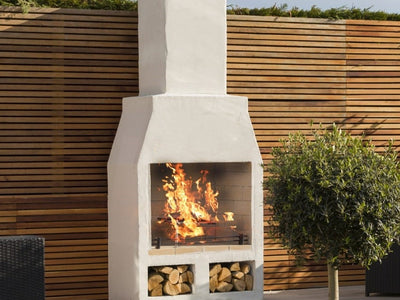
A wood-burning pit needs several times the bioethanol clearance. The exact figure depends on the state. During a declared Fire Danger Period, Victoria's CFA requires a 3 metre radius around a fire pit, brazier or chiminea, measured out to the outer edge of the fire and the top of the flame; the whole area has to stay clear of anything flammable. Queensland Fire and Emergency Services asks for a safe distance from structures and vegetation, and caps a fire lit without a permit at under 2 metres in all directions. That size cap is a separate rule from the clearance distance, and getting that wrong is where most backyard fires fall foul of their council.
NSW's EPA treats a backyard fire pit as exempt from approval, as long as it makes no excess smoke. No approval needed is not the same as no clearance needed.
None of this makes a wood fire pit wrong for a bigger block. A 3 metre clear zone is easy enough to find on a standard suburban lot with room to spare. It only becomes the deciding factor once the yard gets tight, which is exactly where a 600 mm bioethanol clearance starts to matter.
The honest verdict
Work out the fuel before you measure the fence. A 600 mm gap is realistic on almost any block and is what the Pod 30 and Mix 600 are built around. A 3 metre gap for a wood fire suits a standard suburban block but rarely an inner-city one. Check the relevant council and state fire authority before lighting anything, since the rules shift by state and by fire danger rating.
Every EcoSmart fire pit ships free Australia-wide, backed by our price-beat promise and owner after-care. Get a quote and Hayden will confirm the clearance for your exact yard before you buy, on 1300 515 620.
You May Also Like:
About the author:
“I have a real passion for helping transform outdoor spaces so people can relax, connect and entertain with confidence and pride. With My Acre, I love guiding homeowners to create beautiful and functional outdoor living areas."