
Matt P
★★★★★
6 Sep 2026Purchased the retreat outdoor umbrella, had no isuues the quality is nothing but awesome would definitely recommend this product and my Acare was very easy to work with
Price beat promise.
The fire is the centrepiece of an Australian backyard. Everything else arranges itself around it.
View the full rangeBrands
Wood for the fire and the flavour, gas for a Tuesday. Plenty of people end up with one of each.
View the full rangeBrands
The cooking end of the outdoor room, with a fridge that keeps up in February.
View the full rangeBrands
Most umbrellas fail in the first serious wind. These are engineered not to. A louvre roof handles the rain as well.
View the full rangeBrands
Categories
Umbrella accessoriesPonds, waterfalls and fountains, with the pumps and filters that keep the water clear.
View the full rangeBrands
Start six weeks earlier in spring and keep growing through winter, in a greenhouse built for Australian sun.
View the full rangeBrands
Cast concrete, heavy enough to stay exactly where you put it, finished to weather the way stone does.
View the full rangeBrands
Categories
We are not manufacturers. We team up with the makers worth buying from, then stand behind them.
See all brandsCustomer favourite brands
We are Hayden and Tim. Two of us, no call centre. The same person answers the phone before and after you buy.
Our storyGuides and resources
Ring before you buy. I will tell you what suits your space and what to avoid, even when that means spending less.
Get a quoteCall for a quoteCall 1300 515 620The fire is the centrepiece of an Australian backyard. Everything else arranges itself around it.
Outdoor FireplacesFire Pit TablesFire PitsFire Pit KitsFireplace accessoriesBrands
EcoSmart FireOchre LivingBuschbeckCustomer favourites
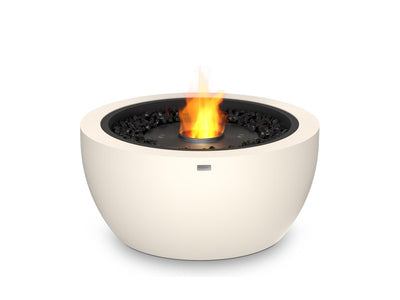 EcoSmart Fire
Pod 30 Fire Pit13 reviews$2,345
EcoSmart Fire
Pod 30 Fire Pit13 reviews$2,345
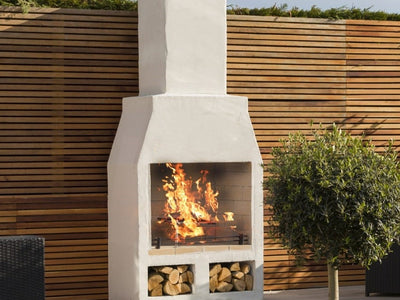 Ochre Living
Hotham Complete Fireplace Kit6 reviewsFrom $4,490
Ochre Living
Hotham Complete Fireplace Kit6 reviewsFrom $4,490
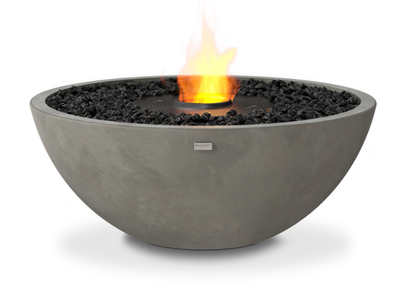 EcoSmart Fire
Mix 850 Fire Pit10 reviews$2,245
EcoSmart Fire
Mix 850 Fire Pit10 reviews$2,245
Wood for the fire and the flavour, gas for a Tuesday. Plenty of people end up with one of each.
Wood Fired Pizza OvensGas Pizza OvensPizza oven accessoriesBrands
ValorianiPolitoWittCustomer favourites
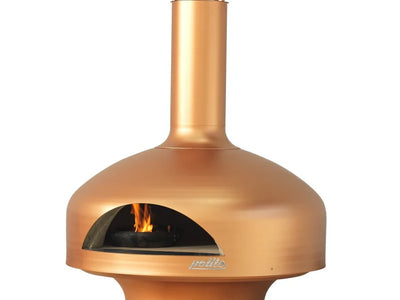 Polito
Giotto Wood Fire Oven5 reviews$4,965
Polito
Giotto Wood Fire Oven5 reviews$4,965
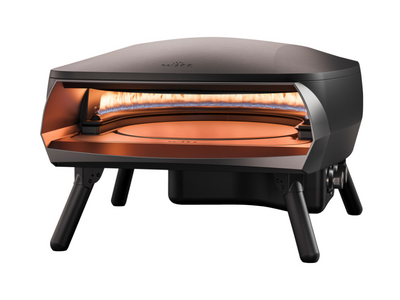 Witt
Etna Rotante 16" Gas Pizza Oven$1,099
Witt
Etna Rotante 16" Gas Pizza Oven$1,099
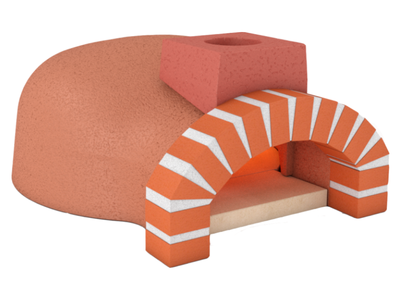 Valoriani
FVR80 Wood Fired Pizza Oven Kit$3,000
Valoriani
FVR80 Wood Fired Pizza Oven Kit$3,000
The cooking end of the outdoor room, with a fridge that keeps up in February.
Outdoor KitchensCharcoal BarbecuesOutdoor Bar FridgesCovers and accessoriesBrands
AluvyColemanSchmickCustomer favourites
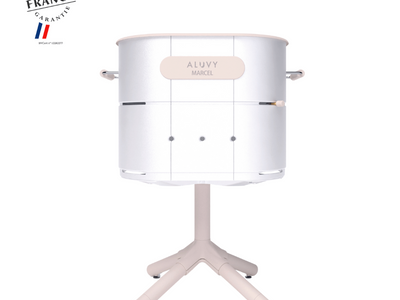 Aluvy
MARCEL Original Charcoal Barbecue$3,579
Aluvy
MARCEL Original Charcoal Barbecue$3,579
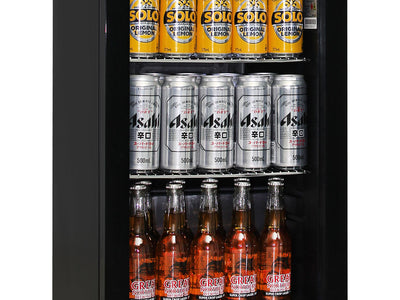 Schmick
Black Glass Door Bar FridgeFrom $577
Schmick
Black Glass Door Bar FridgeFrom $577
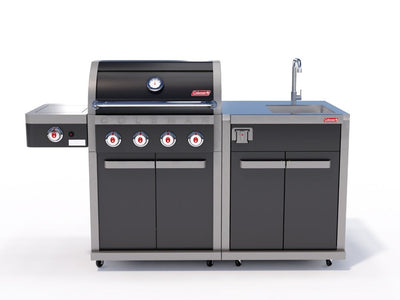 Coleman
Revolution 4 Burner Outdoor Kitchen2 reviewsFrom $2,373
Coleman
Revolution 4 Burner Outdoor Kitchen2 reviewsFrom $2,373
Most umbrellas fail in the first serious wind. These are engineered not to. A louvre roof handles the rain as well.
Cantilever UmbrellasWall UmbrellasMarket UmbrellasCommercial UmbrellasLouvre Roof PergolasUmbrella accessoriesBrands
Shadowspec UmbrellasKustom PergolasCustomer favourites
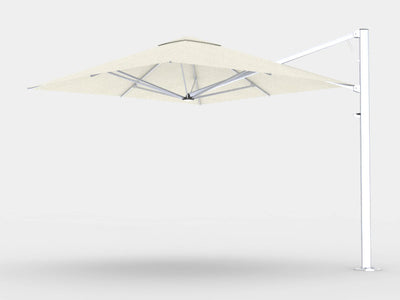 Shadowspec
Serenity Cantilever Umbrella14 reviews$4,980
Shadowspec
Serenity Cantilever Umbrella14 reviews$4,980
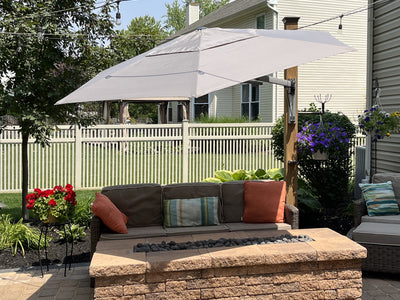 Shadowspec
Retreat Wall-Mounted Umbrella8 reviews$1,790
Shadowspec
Retreat Wall-Mounted Umbrella8 reviews$1,790
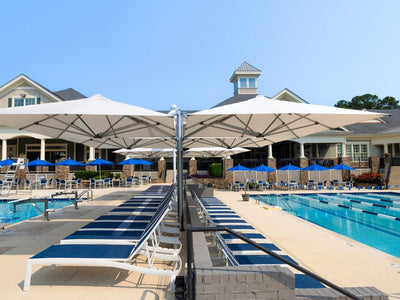 Shadowspec
Unity Multi-Canopy Umbrella5 reviewsFrom $8,390
Shadowspec
Unity Multi-Canopy Umbrella5 reviewsFrom $8,390
Ponds, waterfalls and fountains, with the pumps and filters that keep the water clear.
FountainsWaterfall KitsFish Pond KitsPond EquipmentDam Aerators & FountainsBrands
AquascapeWhere to start
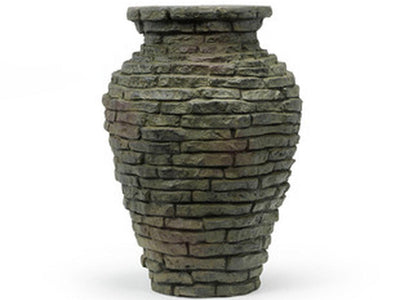 Aquascape
Stacked Slate Urn Fountain KitFrom $550
Aquascape
Stacked Slate Urn Fountain KitFrom $550
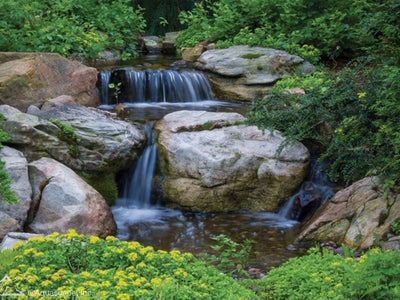 Aquascape
Medium Pondless Waterfall Kit - 5m StreamFrom $4,763
Aquascape
Medium Pondless Waterfall Kit - 5m StreamFrom $4,763
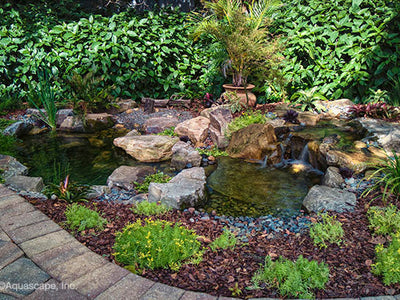 Aquascape
Small Pond Kit, 2.4m x 3.3m$4,228
Aquascape
Small Pond Kit, 2.4m x 3.3m$4,228
Start six weeks earlier in spring and keep growing through winter, in a greenhouse built for Australian sun.
GreenhousesPlantersGreenhouse accessoriesBrands
Winter GardenzBlinde DesignWhere to start
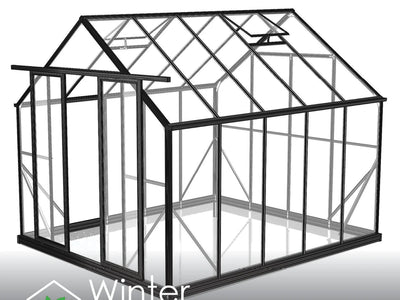 Winter Gardenz
8ft Wide Polycarbonate Greenhouse$4,615
Winter Gardenz
8ft Wide Polycarbonate Greenhouse$4,615
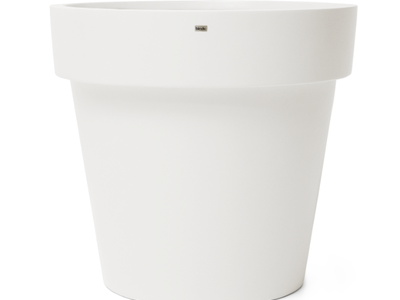 Blinde Design
Classic 125 Concrete Planter Pot$1,255
Blinde Design
Classic 125 Concrete Planter Pot$1,255
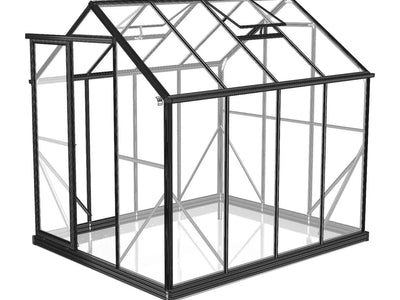 Winter Gardenz
6ft Wide Polycarbonate Greenhouse$3,295
Winter Gardenz
6ft Wide Polycarbonate Greenhouse$3,295
Cast concrete, heavy enough to stay exactly where you put it, finished to weather the way stone does.
Coffee TablesBrands
Blinde DesignWhere to start
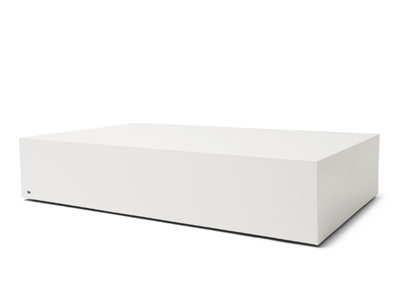 Blinde Design
Move 65 Concrete Coffee Table$1,895
Blinde Design
Move 65 Concrete Coffee Table$1,895
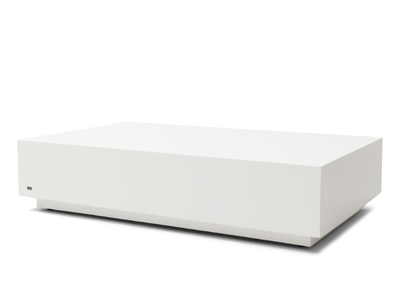 Blinde Design
Dash 50 Concrete Coffee Table$1,495
Blinde Design
Dash 50 Concrete Coffee Table$1,495
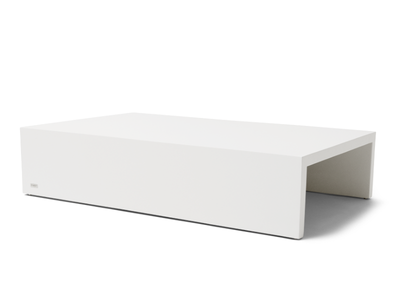 Blinde Design
Niche 50 Concrete Coffee Table$1,895
Blinde Design
Niche 50 Concrete Coffee Table$1,895
We are not manufacturers. We team up with the makers worth buying from, then stand behind them.
AluvyAquascapeBlinde DesignBuschbeckColemane-NRGEcoSmart FireKustom PergolasOaseOchre LivingOtterbinePolitoRhinoSchmickShadowspecValorianiWinter GardenzWittBrands
EcoSmart FireShadowspec UmbrellasOchre LivingSee all brandsWe are Hayden and Tim. Two of us, no call centre. The same person answers the phone before and after you buy.
Who we are
Who is My Acre?Why My Acre?Meet Hayden and TimOur installersContact usWhat we promise
Price beat promiseShipping and deliveryWarranty and claimsReturns and exchangeGuides and resources
Customer resourcesCustomer reviewsJournal Our story


Short answer: An umbrella never needs council approval, at any size, in any Australian state. A pergola can. It needs a permit the moment it passes a floor-area cap most owners have never heard of, or the moment its roof stops being open. On a small courtyard, that distinction often decides the question before cost or looks even matter.
Anyone with a generous block and more time still has good reasons to choose the pergola; that case comes further down. What follows is the case for the umbrella first, because it is the option your small courtyard hits fewest limits with.
Most states let a freestanding, open pergola go up without council sign-off, provided it stays inside a set of fixed limits. In New South Wales those limits include a floor area of 25 m² or less, a height under 3 m, and a boundary setback of at least 900 mm; that comes from Aurae’s guide to NSW pergola permits.
The rule that catches small courtyards sits further down the same page: the combined floor area of every similar structure on the block, pergolas, decks and patios together, is capped at 25 m² total on a lot of 300 m² or under.
A typical suburban courtyard block sits well under that size, so a deck or patio on site can eat most of the allowance before a pergola is even drawn up. Get the sums wrong and council can later order the structure modified or removed at your own expense, the same source notes. It can also become a real problem at resale: a pergola-building company, describing its own product, calls a non-compliant structure “a major stumbling block during property sales, potentially reducing your home’s value or derailing sales altogether.”
The pattern repeats state by state. An open or shade-cloth pergola under the size and height limits generally stays exempt. Swap the roofing for something solid and the exemption usually goes with it. Western Australia states this plainly: a pergola with a solid covering “is likely re-classified as a patio/verandah and so needs full permit,” according to Exceliteplas’s state-by-state approval guide. Polycarbonate roofing sheets, the most common upgrade an owner adds later, are exactly the solid covering that triggers it.
Your umbrella never enters that conversation, because it is furniture rather than a structure. There is no floor-area cap counting against it, no roofing that changes its legal status, and no council file that follows the home to its next sale.

A basic patio umbrella starts under one hundred dollars, while even a serious engineered option costs a fraction of a permanent build: the Shadowspec Serenity, for example, starts at $4,390 AUD, complete with a 10-year fabric warranty. A pergola sits in a different bracket entirely. US pricing gathered by Pergola Cave’s shade comparison puts semi-permanent pergolas at USD $500 to $6,000 and full permanent structures at USD $5,000 to $50,000 or more. Those figures will not translate to a local quote, but they show the scale of the jump.
Abba Patio’s own comparison scores the two options the way most retailers would. Their table rates the umbrella “Affordable” on cost and “High” on layout and portability. It rates the pergola “Higher upfront investment” and “Low” on both. That is the trade being bought: a pergola is a fixed room, an umbrella is a decision that can be undone.

None of this makes the umbrella the right choice for every courtyard. A pergola earns its cost in a few real cases. Rain cover mattering as much as sun is one; carrying lighting, heating or a fixed outdoor kitchen is another; wanting a permanent room, rather than a piece of furniture folded down in a storm, is a third. For that owner, the permit process is simply the price of the thing they want; it is worth paying properly, not skipping.
For a smaller courtyard, the maths runs the other way. Pergola Cave’s own shade ladder ranks the umbrella as the lowest-commitment option on the list for this reason. It requires “zero installation, zero permits” and works on almost any surface; it can also move with a lounge chair or follow your table into more shade later in the afternoon, a freedom no fixed roof offers.
Choose the umbrella where floor area is tight, the shape of the room is still being worked out, or council risk is not worth carrying for a small space. Choose the pergola where rain cover, lighting or a permanent room matters more than moving it around. Budget the approval into the build from the start.
Every umbrella we sell carries the same standard: a price-beat promise against any comparable quote, and after-care where we handle the manufacturer’s warranty on your behalf. Browse the Shadowspec range to compare canopy sizes for a courtyard, or get a quote and Hayden will talk through what fits your space before anything is ordered. Ring 1300 515 620 if a floor plan would help more than a photo.

Purchased the retreat outdoor umbrella, had no isuues the quality is nothing but awesome would definitely recommend this product and my Acare was very easy to work with
I purchased the Shadowspec Serenity Cantilever Umbrella from the My Acre team. I have to say, Hayden was really great to deal with, he went above and beyond to help us find the right fit for our beautiful little outdo...
Positive vibes all the way from placing order on a Saturday afternoon, being contacted by Hayden directly when I had an issue with the checkout process, bug fixed, purchase completed and delivery on Tuesday, with foll...
We recently purchased a Hotham fireplace and couldn't be happier with the result. Hayden was extremely helpful in guiding us on the right size for our space, and the installation team did a fantastic job. The whole pr...
Quick delivery and good aftercare service
Australian owned · every order personally followed up
