
Matt P
★★★★★
6 Sep 2026Purchased the retreat outdoor umbrella, had no isuues the quality is nothing but awesome would definitely recommend this product and my Acare was very easy to work with
Price beat promise.
The fire is the centrepiece of an Australian backyard. Everything else arranges itself around it.
View the full rangeBrands
Wood for the fire and the flavour, gas for a Tuesday. Plenty of people end up with one of each.
View the full rangeBrands
The cooking end of the outdoor room, with a fridge that keeps up in February.
View the full rangeBrands
Most umbrellas fail in the first serious wind. These are engineered not to. A louvre roof handles the rain as well.
View the full rangeBrands
Categories
Umbrella accessoriesPonds, waterfalls and fountains, with the pumps and filters that keep the water clear.
View the full rangeBrands
Start six weeks earlier in spring and keep growing through winter, in a greenhouse built for Australian sun.
View the full rangeBrands
Cast concrete, heavy enough to stay exactly where you put it, finished to weather the way stone does.
View the full rangeBrands
Categories
We are not manufacturers. We team up with the makers worth buying from, then stand behind them.
See all brandsCustomer favourite brands
We are Hayden and Tim. Two of us, no call centre. The same person answers the phone before and after you buy.
Our storyGuides and resources
Ring before you buy. I will tell you what suits your space and what to avoid, even when that means spending less.
Get a quoteCall for a quoteCall 1300 515 620The fire is the centrepiece of an Australian backyard. Everything else arranges itself around it.
Outdoor FireplacesFire Pit TablesFire PitsFire Pit KitsFireplace accessoriesBrands
EcoSmart FireOchre LivingBuschbeckCustomer favourites
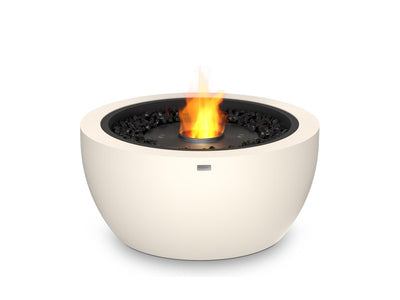 EcoSmart Fire
Pod 30 Fire Pit13 reviews$2,345
EcoSmart Fire
Pod 30 Fire Pit13 reviews$2,345
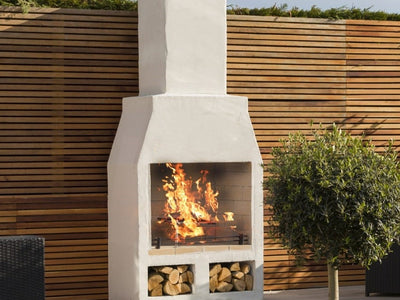 Ochre Living
Hotham Complete Fireplace Kit6 reviewsFrom $4,490
Ochre Living
Hotham Complete Fireplace Kit6 reviewsFrom $4,490
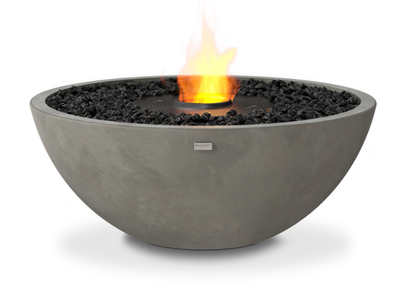 EcoSmart Fire
Mix 850 Fire Pit10 reviews$2,245
EcoSmart Fire
Mix 850 Fire Pit10 reviews$2,245
Wood for the fire and the flavour, gas for a Tuesday. Plenty of people end up with one of each.
Wood Fired Pizza OvensGas Pizza OvensPizza oven accessoriesBrands
ValorianiPolitoWittCustomer favourites
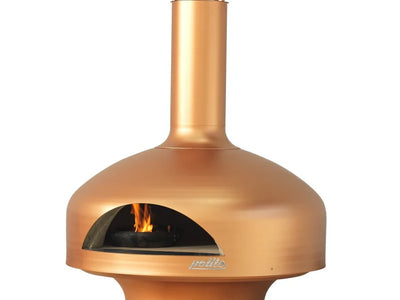 Polito
Giotto Wood Fire Oven5 reviews$4,965
Polito
Giotto Wood Fire Oven5 reviews$4,965
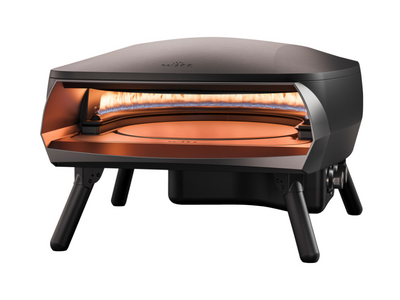 Witt
Etna Rotante 16" Gas Pizza Oven$1,099
Witt
Etna Rotante 16" Gas Pizza Oven$1,099
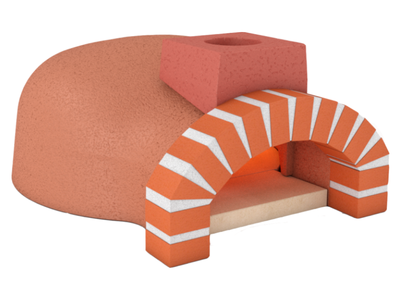 Valoriani
FVR80 Wood Fired Pizza Oven Kit$3,000
Valoriani
FVR80 Wood Fired Pizza Oven Kit$3,000
The cooking end of the outdoor room, with a fridge that keeps up in February.
Outdoor KitchensCharcoal BarbecuesOutdoor Bar FridgesCovers and accessoriesBrands
AluvyColemanSchmickCustomer favourites
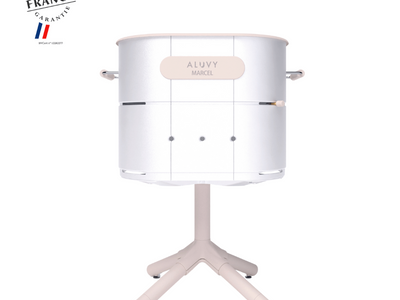 Aluvy
MARCEL Original Charcoal Barbecue$3,579
Aluvy
MARCEL Original Charcoal Barbecue$3,579
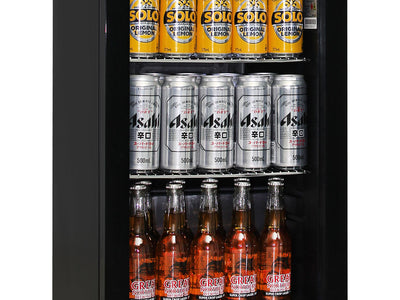 Schmick
Black Glass Door Bar FridgeFrom $577
Schmick
Black Glass Door Bar FridgeFrom $577
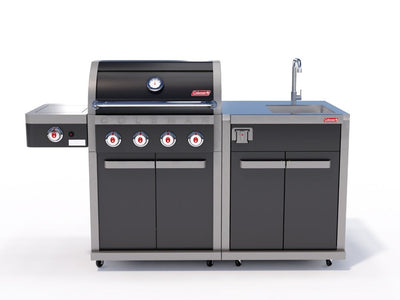 Coleman
Revolution 4 Burner Outdoor Kitchen2 reviewsFrom $2,373
Coleman
Revolution 4 Burner Outdoor Kitchen2 reviewsFrom $2,373
Most umbrellas fail in the first serious wind. These are engineered not to. A louvre roof handles the rain as well.
Cantilever UmbrellasWall UmbrellasMarket UmbrellasCommercial UmbrellasLouvre Roof PergolasUmbrella accessoriesBrands
Shadowspec UmbrellasKustom PergolasCustomer favourites
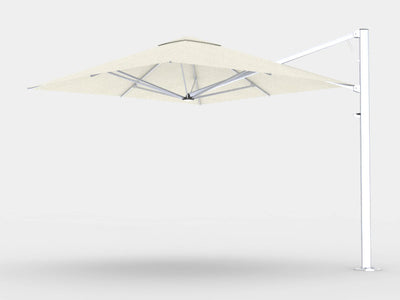 Shadowspec
Serenity Cantilever Umbrella14 reviews$4,980
Shadowspec
Serenity Cantilever Umbrella14 reviews$4,980
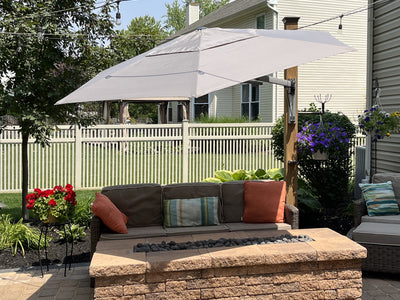 Shadowspec
Retreat Wall-Mounted Umbrella8 reviews$1,790
Shadowspec
Retreat Wall-Mounted Umbrella8 reviews$1,790
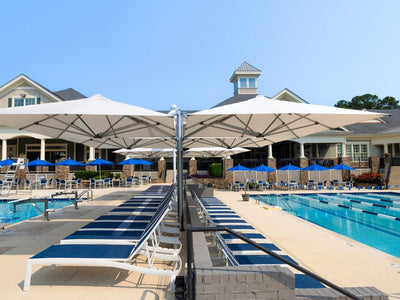 Shadowspec
Unity Multi-Canopy Umbrella5 reviewsFrom $8,390
Shadowspec
Unity Multi-Canopy Umbrella5 reviewsFrom $8,390
Ponds, waterfalls and fountains, with the pumps and filters that keep the water clear.
FountainsWaterfall KitsFish Pond KitsPond EquipmentDam Aerators & FountainsBrands
AquascapeWhere to start
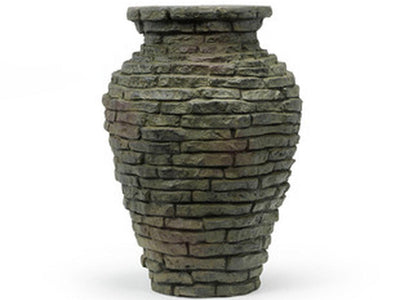 Aquascape
Stacked Slate Urn Fountain KitFrom $550
Aquascape
Stacked Slate Urn Fountain KitFrom $550
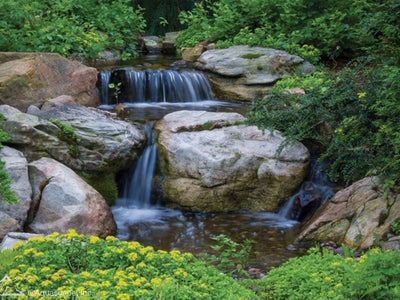 Aquascape
Medium Pondless Waterfall Kit - 5m StreamFrom $4,763
Aquascape
Medium Pondless Waterfall Kit - 5m StreamFrom $4,763
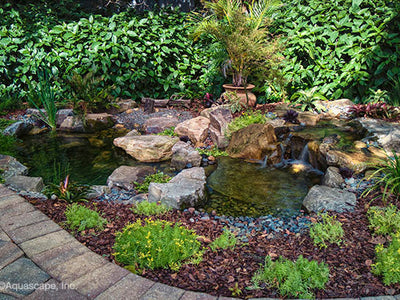 Aquascape
Small Pond Kit, 2.4m x 3.3m$4,228
Aquascape
Small Pond Kit, 2.4m x 3.3m$4,228
Start six weeks earlier in spring and keep growing through winter, in a greenhouse built for Australian sun.
GreenhousesPlantersGreenhouse accessoriesBrands
Winter GardenzBlinde DesignWhere to start
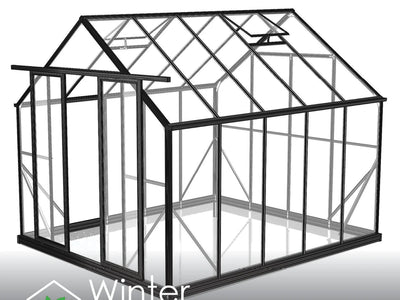 Winter Gardenz
8ft Wide Polycarbonate Greenhouse$4,615
Winter Gardenz
8ft Wide Polycarbonate Greenhouse$4,615
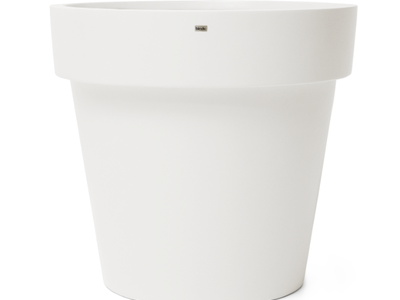 Blinde Design
Classic 125 Concrete Planter Pot$1,255
Blinde Design
Classic 125 Concrete Planter Pot$1,255
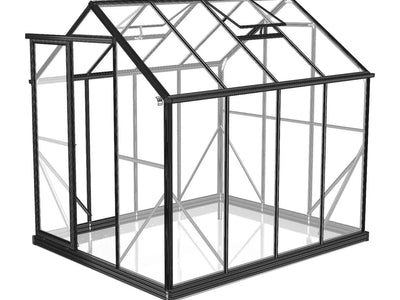 Winter Gardenz
6ft Wide Polycarbonate Greenhouse$3,295
Winter Gardenz
6ft Wide Polycarbonate Greenhouse$3,295
Cast concrete, heavy enough to stay exactly where you put it, finished to weather the way stone does.
Coffee TablesBrands
Blinde DesignWhere to start
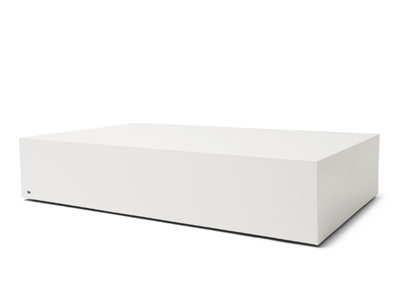 Blinde Design
Move 65 Concrete Coffee Table$1,895
Blinde Design
Move 65 Concrete Coffee Table$1,895
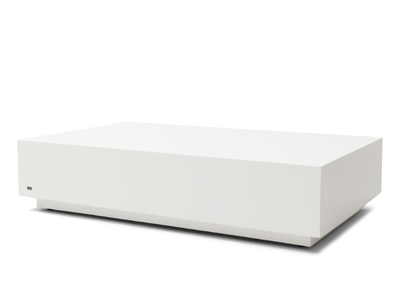 Blinde Design
Dash 50 Concrete Coffee Table$1,495
Blinde Design
Dash 50 Concrete Coffee Table$1,495
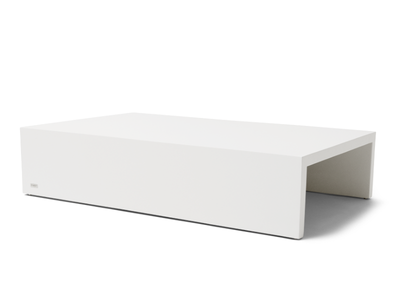 Blinde Design
Niche 50 Concrete Coffee Table$1,895
Blinde Design
Niche 50 Concrete Coffee Table$1,895
We are not manufacturers. We team up with the makers worth buying from, then stand behind them.
AluvyAquascapeBlinde DesignBuschbeckColemane-NRGEcoSmart FireKustom PergolasOaseOchre LivingOtterbinePolitoRhinoSchmickShadowspecValorianiWinter GardenzWittBrands
EcoSmart FireShadowspec UmbrellasOchre LivingSee all brandsWe are Hayden and Tim. Two of us, no call centre. The same person answers the phone before and after you buy.
Who we are
Who is My Acre?Why My Acre?Meet Hayden and TimOur installersContact usWhat we promise
Price beat promiseShipping and deliveryWarranty and claimsReturns and exchangeGuides and resources
Customer resourcesCustomer reviewsJournal Our story


Short answer: Colour is a poor guide to UV protection on its own. A cheap black umbrella can block as little as 80% of UV, while a well-made white or pale canopy with the right fabric coating can block 99%, according to a comparison from UV Blocker. Fabric technology decides the real number; colour decides almost nothing on its own.
That is worth remembering before you choose a canopy on looks alone. What colour still affects is fading and how well a canopy hides dust and staining, covered further down.
Two umbrellas in the same shade of black can carry very different UV ratings, because the reason is the fabric, not the dye. Titanium dioxide coatings, denser weaves and UV-absorbing yarn all lift protection regardless of colour, the same UV Blocker report notes. That is why a certified UPF 50+ tag matters more than the colour swatch next to it: it tells you the fabric was tested, not just dyed. The Shadowspec range carries UPF 50+ across every canopy colour it offers, for this reason.

Sources differ here; no one has properly settled the question. UV Blocker’s own tests have black canopies absorbing 90% to 95% of UV while running 5°F to 10°F hotter underneath than white, with silver running 10°F to 15°F cooler again. An Australian Shadowspec dealer, Project Shade, makes the opposite claim: all umbrella colours block roughly 90% of solar heat and feel much the same underneath, because you are standing in the shadow rather than looking through the fabric. Both claims cannot be fully right; no proper local test settles which one is.
What is not disputed is that dark canopies fade slower and hide dust better, which is the reason Project Shade still picks black or charcoal for harsh local sun. That is a fading and cleaning point, not a temperature one; the two should not be sold as the same claim.
Basil Bangs, an Australian outdoor fabric brand, explains the real distinction with a simple comparison: solution-dyed fabric carries its colour all the way through the fibre, the way a carrot stays orange all the way through. Surface-dyed fabric is only coloured on the outside, like the skin of a cucumber. Solution-dyed acrylic tops independent fade-resistance testing above polyester and olefin, the same source notes; Basil Bangs backs its own range with a 10-year residential warranty on colour fastness. Fabric weight actually matters too: an awning-grade canopy sits around 290 to 305 grams per square metre, well above cushion fabric; that weight is doing more work than any colour choice.

If a bright colour is what you want, the fade-resistance data says to expect a shorter life from it. Red, orange and yellow dyes break down under UV faster than neutral tones, so a bright canopy will lose colour sooner than a charcoal or navy one does. That is a real trade worth accepting with eyes open, not a reason to default to black for a temperature benefit the data does not clearly support.
Buy for UPF 50+ and solution-dyed fabric first; treat colour as the last choice, not the first.
Every umbrella we sell carries the same standard: a price-beat promise against any comparable quote, and after-care where we handle the manufacturer’s warranty on your behalf. Browse the Shadowspec range to compare canopy colours on a UPF 50+ base fabric, or get a quote and Hayden will match a colour to your space without overselling a heat claim the data cannot back. Ring 1300 515 620 if a fabric sample would help more than a photo on screen.

Purchased the retreat outdoor umbrella, had no isuues the quality is nothing but awesome would definitely recommend this product and my Acare was very easy to work with
I purchased the Shadowspec Serenity Cantilever Umbrella from the My Acre team. I have to say, Hayden was really great to deal with, he went above and beyond to help us find the right fit for our beautiful little outdo...
Positive vibes all the way from placing order on a Saturday afternoon, being contacted by Hayden directly when I had an issue with the checkout process, bug fixed, purchase completed and delivery on Tuesday, with foll...
We recently purchased a Hotham fireplace and couldn't be happier with the result. Hayden was extremely helpful in guiding us on the right size for our space, and the installation team did a fantastic job. The whole pr...
Quick delivery and good aftercare service
Australian owned · every order personally followed up
