
Lisa B
★★★★★
10 Nov 2026Great customer service - they rang me to tell me exactly when my bbq was coming, they also sent over the instructions and price honoured me. 10/10.
Price beat promise

Most chosen
Not sure which one?
Hayden, co-owner
Tell me about your space and I will point you to the right fire. I reply the same business day.
Call 03 7073 2116Most chosen
Not sure which one?
Hayden, co-owner
Tell me what you love to cook and I will point you to the right setup. I reply the same business day.
Call 03 7073 2116Most chosen
Not sure which one?
Hayden, co-owner
Tell me the area you want to shade and I will point you to the right size. I reply the same business day.
Call 03 7073 2116Ponds and fountains
FountainsPondless waterfallsPond kitsDam aerators and fountainsPond filters and equipmentPool care
Robotic pool cleanersBrands
AquascapeAtlas FiltriBBA BiosolutionBeatbotBiancoClayTechDAB PumpsElevateKellockOaseOtterbinePietro StonewareRobo-TekWater MasterNot sure which one?
Hayden, co-owner
Tell me what you need the water to do and I will point you to the right pump, filter or water feature. I reply the same business day.
Call 03 7073 2116Where to start
Not sure which one?
Hayden, co-owner
Tell me what you are planning and I will point you to the right fit. I reply the same business day.
Call 03 7073 2116Spas
Spas and hot tubsComingSwim spasComingNot sure which one?
Hayden, co-owner
Tell me how you want to relax and I will point you to the right spa or sauna. I reply the same business day.
Call 03 7073 2116Not sure which one?
Hayden, co-owner
Tell me what you are planning and I will point you to the maker that suits it. I reply the same business day.
Call 03 7073 2116
Fire
Most chosen
Outdoor Kitchens
Most chosen
Shade
Most chosen
Water
Ponds and fountains
FountainsPondless waterfallsPond kitsDam aerators and fountainsPond filters and equipmentPool care
Robotic pool cleanersGarden
Where to start
Spas & Saunas
Spas
Spas and hot tubsComingSwim spasComingBrands
About
Who we are
Who is My Acre?Why My Acre?Meet Hayden and TimOur installersContact usWhat we promise
Price beat promiseShipping and deliveryWarranty and claimsReturns and exchangeGuides and resources
Customer resourcesCustomer reviewsBlogs


Short answer: An outdoor fireplace is a permanent structure with a real chimney, built once and left in place. A fire pit is freestanding and can move with the owner. The honest way to choose is not fireplace-versus-fire-pit on features; it is how settled the outdoor-fire habit already is. Owners who prove the habit out on something freestanding first, then commit to a permanent build once they know it will actually get used, report fewer regrets than those who built first and found out after.
Cost tracks that same decision. A permanent kit from our Ochre Living range runs several thousand dollars and needs a concrete slab poured before it goes anywhere. A freestanding fire pit is a fraction of that; two people can carry it inside for winter.
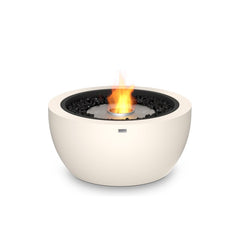
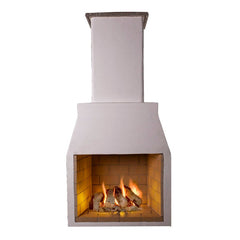
The Ochre Living Hotham is $4,490, weighs 960 kg once built and needs a reinforced 100 mm concrete slab before installation starts. The EcoSmart Pod 40 is $2,695, weighs 50.3 kg and needs nothing poured; level the feet and it is ready. One is a structure. The other is furniture that can move.
Neither is the better choice in the abstract. The Hotham suits a courtyard that already sees a fire most weeks through winter. The Pod 40 suits a household still finding out how often that fire actually gets lit.

Real accounts of this exact choice keep landing on the same point: a built structure looks more impressive and wins on presence, but a freestanding option lets an owner reposition it, or upgrade it, once the actual habit is known. Several owners who went permanent first, on instinct rather than evidence, describe wishing they had proven the habit out on something smaller first. None of the five competitor guides checked for this article frame the decision this way; they present it as fireplace-superior-if-the-budget-allows, which skips the part where the fire has to actually get used to be worth either price.
Ring Hayden on 03 7073 2116 when weighing the two for your own space, if it isn't fully settled yet. He will say plainly whether your set-up and your habits point toward proving it out first, or building once, properly.
An open fire pit throws heat mostly upward. Sit further than arm's length and the warmth drops off fast, a pattern real owners describe consistently regardless of brand. A structure with a firebox and a chimney concentrates and reflects more of that heat back out toward the seating in front of it, the actual engineering reason a built fireplace reads as "warmer" rather than simply being a bigger fire.

Only one of the five competitor guides checked mentions cooking at all, despite both product categories being able to support it. The Ossa ships with a stainless steel grill as standard (the Hotham and Perisher take an optional cast iron grill), so a fire lit for warmth doubles as a cooktop once it settles to coals. The Pod 40 is not for cooking: EcoSmart's safety instructions rule out using its burners as a cooking appliance, so keep the food on a barbecue nearby. Cooking is worth weighing alongside warmth before size or budget; most guides leave it out entirely.
The regret pattern in real accounts is rarely "wrong category." It is committing to a permanent structure before the outdoor-fire habit was actually established. A second pattern sits right beside it: buying something with real presence that then sits unused because the space around it was never finished. The commitment should match how settled the habit already is, not how good the display model looked.
A household that already lights a fire most weeks through the cooler months gets real value from the concrete slab and the wait the Ochre Living range asks for. One still finding that out gets a real flame now, with nothing to undo later, from an EcoSmart fire pit. Either way, every order is covered by our price-beat promise and comes with My Acre’s own after-care: a fit check, a shepherded delivery, a check-in within a week, and we handle warranty for you. Get a quote and Hayden will size the commitment to where the household actually is, not where the brochure assumes it is.

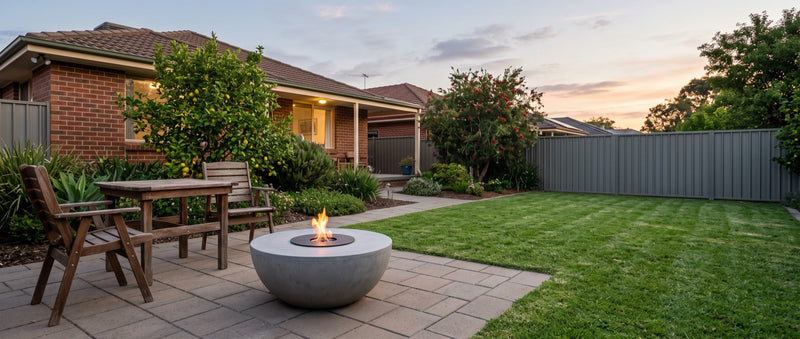 Fire Pits and Fire Tables
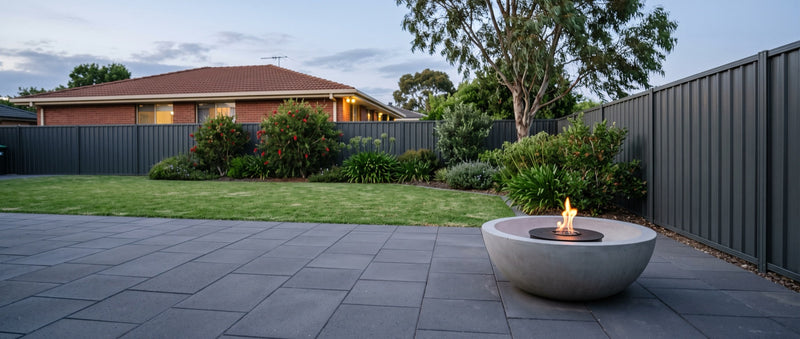 Fire Pits and Fire Tables
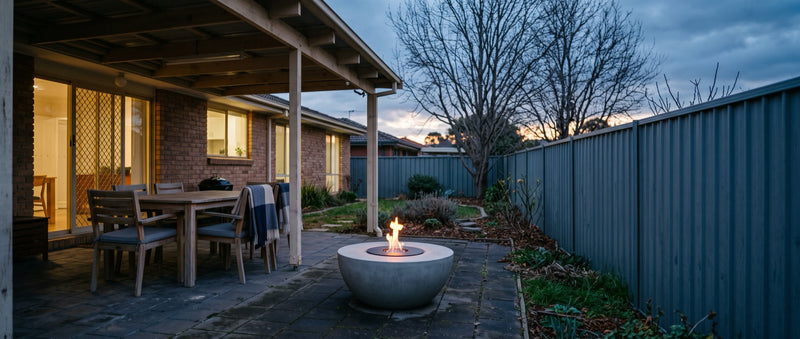 Fire Pits and Fire Tables

Want a written quote?
Tell me what you are after. I send it the same business day.
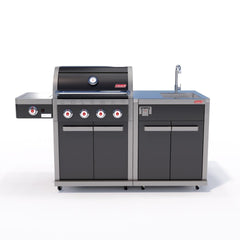
Great customer service - they rang me to tell me exactly when my bbq was coming, they also sent over the instructions and price honoured me. 10/10.
Great table delivered quickly! Very happy
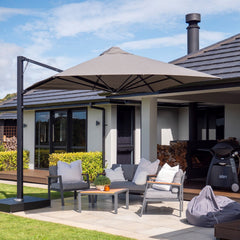
We recently had a Serenity Cantilever umbrella installed and the My Acre team were fabulous. From initially advising us what would suit our tricky terrace best, to keeping us informed on delivery and installation and ...
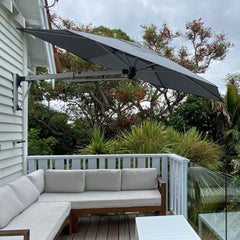
Really happy with my Shadowspec Retreat wall-mounted umbrella. Hayden at My Acre has been great — always quick to respond and very helpful. I recently needed to make a small warranty claim, and Hayden organised everyt...
Thanks to the My Acre team delighted with the end product of the Umbrella cantilever shade. In all respects Hayden was fantastic details, invoicing, adjusting delivery to suit us and supporting the installation with a...
Australian owned · every order personally followed up