
Matt P
★★★★★
6 Sep 2026Purchased the retreat outdoor umbrella, had no isuues the quality is nothing but awesome would definitely recommend this product and my Acare was very easy to work with
Price beat promise.
The fire is the centrepiece of an Australian backyard. Everything else arranges itself around it.
View the full rangeBrands
Categories
Fireplace accessoriesWood for the fire and the flavour, gas for a Tuesday. Plenty of people end up with one of each.
View the full rangeBrands
The outdoor room, from the cooking end through to a fridge that keeps up in February, and a bath under the trees.
View the full rangeBrands
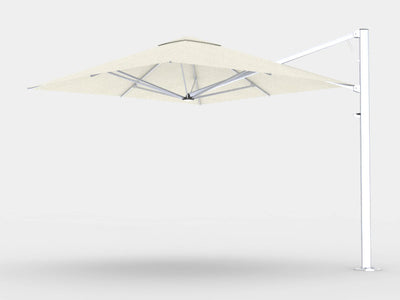
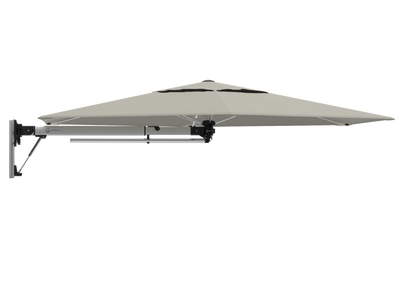
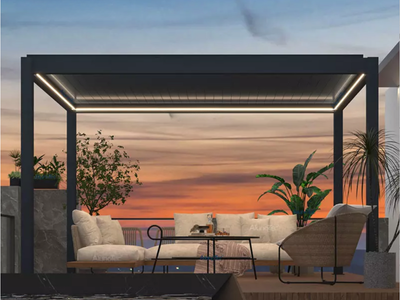
Most umbrellas fail in the first serious wind. These are engineered not to, and a louvre roof handles the rain as well.
View the full rangeBrands
Categories
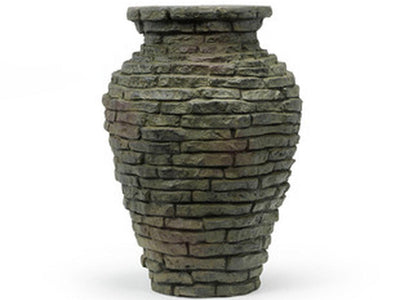
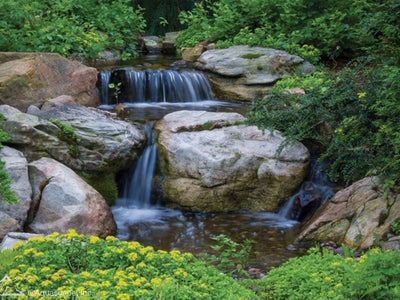
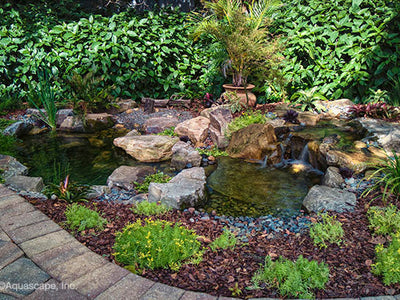
Umbrella accessoriesMoving water without an open pond. The reservoir sits below ground, so there is nothing to fence or net.
View the full rangeBrands
Categories
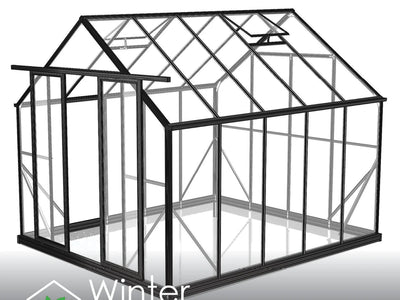
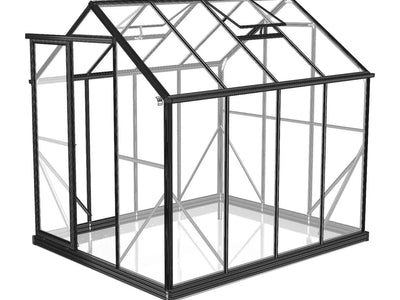
Start six weeks earlier in spring and keep growing through winter, in a greenhouse built for Australian sun.
View the full rangeBrands
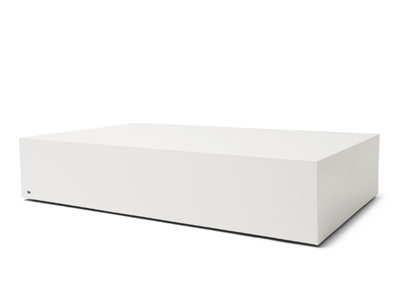
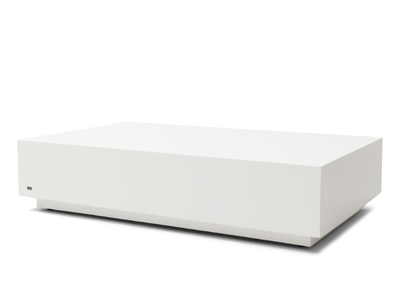
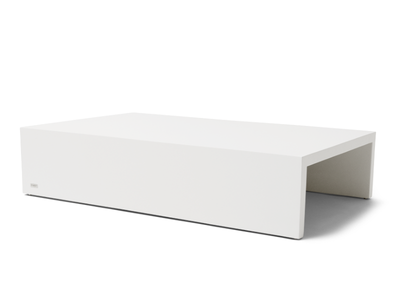
Cast concrete, heavy enough to stay exactly where you put it, finished to weather the way stone does.
View the full rangeBrands
Categories
We are not manufacturers. We team up with the makers worth buying from, then stand behind them.
See all brandsCustomer favourite brands
We are Hayden and Tim. Two of us, no call centre, and the same person answers the phone before and after you buy.
Our storyRead and learn
Ring before you buy. I will tell you what suits your space, and what to avoid, even when that means spending less.
Get a quoteCall for a quoteCall 1300 515 620The fire is the centrepiece of an Australian backyard. Everything else arranges itself around it.
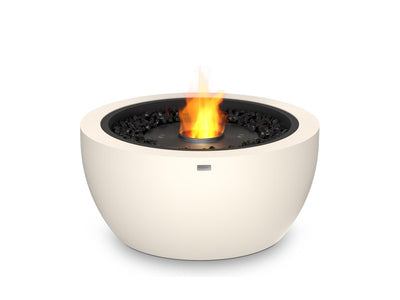
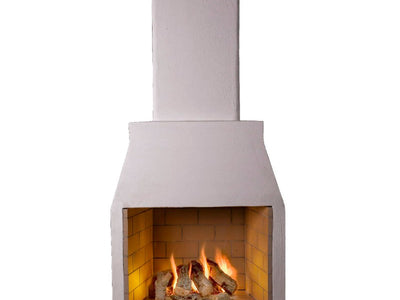
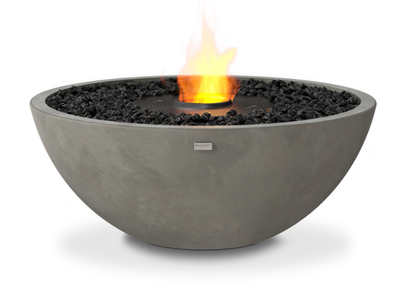
Outdoor FireplacesEthanol Fire TablesEthanol Fire PitsEthanol Fire Pit KitsFireplace accessoriesBrands
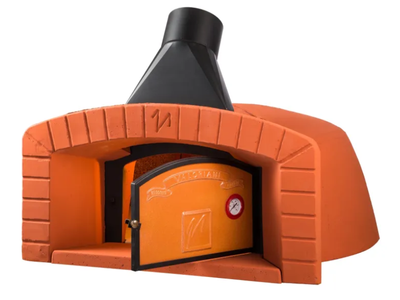
EcoSmart FireOchre LivingBuschbeckView the full rangeWood for the fire and the flavour, gas for a Tuesday. Plenty of people end up with one of each.
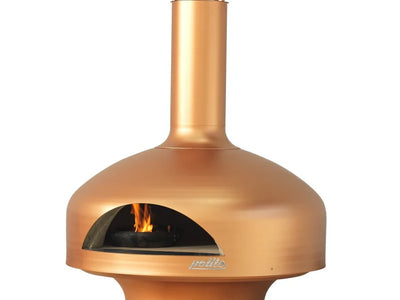
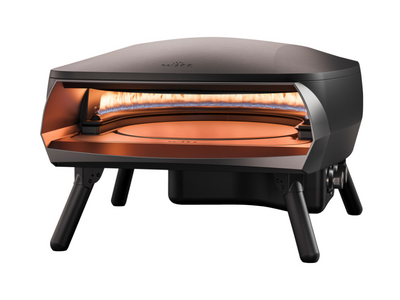
Wood Fired Pizza OvensGas Pizza OvensPizza oven accessoriesBrands
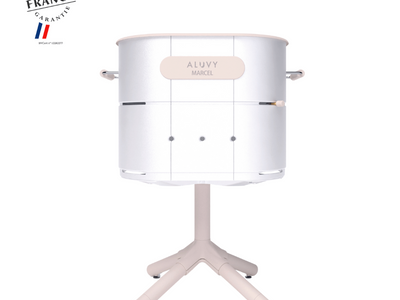
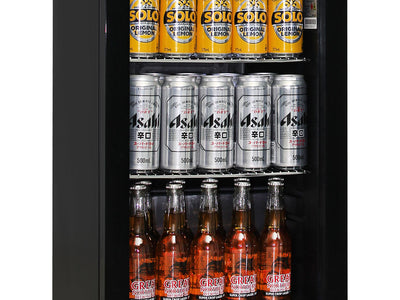
ValorianiPolitoWittView the full rangeThe outdoor room, from the cooking end through to a fridge that keeps up in February, and a bath under the trees.
Outdoor KitchensCharcoal BarbecuesBar FridgesCovers and accessoriesBrands
SchmickAluvyView the full rangeMost umbrellas fail in the first serious wind. These are engineered not to, and a louvre roof handles the rain as well.
Cantilever UmbrellasWall UmbrellasMarket UmbrellasCommercial UmbrellasLouvre PergolasUmbrella accessoriesBrands
ShadowspecKustom PergolasView the full rangeMoving water without an open pond. The reservoir sits below ground, so there is nothing to fence or net.
FountainsWaterfallsPondsPond EquipmentBrands
AquascapeView the full rangeStart six weeks earlier in spring and keep growing through winter, in a greenhouse built for Australian sun.
GreenhousesPlantersGreenhouse accessoriesBrands
Winter GardenzBlinde DesignView the full rangeCast concrete, heavy enough to stay exactly where you put it, finished to weather the way stone does.
Coffee TablesBrands
Blinde DesignView the full rangeWe are not manufacturers. We team up with the makers worth buying from, then stand behind them.
EcoSmart FireSchmickRhinoShadowspecValorianiPolitoWittAluvyOchre LivingBuschbeckKustom PergolasWinter GardenzBlinde DesignAquascapeE-NRGBrands
EcoSmart FireShadowspecOchre LivingSee all brandsWe are Hayden and Tim. Two of us, no call centre, and the same person answers the phone before and after you buy.
Who we are
Who is My Acre?Why My Acre?Meet Hayden and TimOur installersContact usWhat we promise
Price beat promiseShipping and deliveryWarranty and claimsReturns and exchangeRead and learn
Our brandsCustomer resourcesCustomer reviewsBlogs Our story
Can I burn off in my backyard in NSW? In most council areas, no. Burning garden waste or rubbish in the open is prohibited unless your council specifically allows it. Contained fire pits for warmth or cooking are a different story, and this guide explains where the line sits.

Open burning in NSW sits under the Protection of the Environment Operations (Clean Air) Regulation. It sets the statewide framework, but your local council decides what actually happens in your backyard. Some councils allow burn-offs under strict conditions. Most don't.
The NSW EPA publishes open burning guidance that shows what each council permits. Check it before you plan anything, and if the answer isn't clear, ring your council and get it in writing.
The regulation sorts council areas into schedules, and the metropolitan ones carry the tightest rules. In Sydney and other built-up areas, burning vegetation or waste in the open is generally off the table without written approval.
Smoke doesn't respect fence lines. Even where a fire is otherwise legal, your council can act on excessive smoke that affects the neighbours.
Rural and semi-rural councils have more room to move. Some allow landholders to burn dry vegetation on larger blocks, with conditions attached. Those conditions vary from council to council, so confirm yours before you rake a single pile.
Timing matters too. In the bush fire danger period, a burn-off also needs a fire permit from the NSW Rural Fire Service, where burn-offs are allowed at all.
Household rubbish can't be burned in the open anywhere in NSW. That includes plastic, treated or painted timber, and anything else that isn't a clean, approved fuel. These materials release harmful pollutants when they burn, so the ban applies in every council area.
If your property has no kerbside collection, ask your council about approved disposal options instead of lighting up.

Permits and notifications are where most people come unstuck. The rules shift with the season and with who your local fire authority is. Here's how to work through them.
The bush fire danger period is the stretch of the year when fire restrictions tighten across NSW. It typically runs from October to March, though districts can start earlier or run longer. Check your local NSW RFS district for the current dates.
During this period, any burn-off needs a fire permit from the NSW Rural Fire Service. And that's only in areas where burning off is allowed at all.
NSW doesn't set a simple size limit. What matters is the purpose of the fire and the timing, so a small burn-off pile is treated the same as a big one.
A contained recreational fire using approved fuels needs no permit at all, except on total fire ban days. If you're planning a rural burn and pile size is the question, ask your local Fire Control Centre what applies in your district.
This distinction decides everything. A burn-off is disposal, getting rid of garden waste, and it's heavily restricted. A recreational fire is contained, a fire pit or barbecue burning approved fuel for warmth or cooking, and NSW EPA guidance allows it without approval.
Approved fuels are dry seasoned wood, LPG, natural gas or barbecue fuel. The moment you feed garden waste into your fire pit, you've crossed back into disposal burning. If contained fires are what you're after, our guide to the best fire pits in Australia is a good place to start.
Notice requirements depend on your council and local fire authority. Many expect you to tell your neighbours and the fire service before a burn-off, so check what applies to you and follow it exactly. It saves triple zero from fielding calls about your smoke.
Smoke is the other courtesy. Councils can act on excessive smoke even from a legal fire, so watch the wind and weather before lighting. For regular backyard fires, a smokeless fire pit goes a long way toward keeping the street onside.
A total fire ban overrides everything, including a permit you already hold. On a total fire ban day, no solid fuel fire can be lit, and that covers burn-offs and wood-fuelled fire pits alike. Gas and electric appliances are generally still allowed, but confirm the rules on the day.
The NSW EPA can also issue no-burn notices when air quality is poor. Check the NSW RFS website before lighting anything, every single time.

If your council won't let you burn, mulching, composting and green waste collection deal with garden waste without a match. Keep the fire for the good part instead. Browse the My Acre range of fire pits, load one with dry seasoned wood, and enjoy a backyard fire that's legal in every sense.

Purchased the retreat outdoor umbrella, had no isuues the quality is nothing but awesome would definitely recommend this product and my Acare was very easy to work with
I purchased the Shadowspec Serenity Cantilever Umbrella from the My Acre team. I have to say, Hayden was really great to deal with, he went above and beyond to help us find the right fit for our beautiful little outdo...
Positive vibes all the way from placing order on a Saturday afternoon, being contacted by Hayden directly when I had an issue with the checkout process, bug fixed, purchase completed and delivery on Tuesday, with foll...
We recently purchased a Hotham fireplace and couldn't be happier with the result. Hayden was extremely helpful in guiding us on the right size for our space, and the installation team did a fantastic job. The whole pr...
Quick delivery and good aftercare service
Australian owned · every order personally followed up
