Ever wiped your Fire Table down with the wrong thing and watched the finish protest immediately? Short answer: mild dish soap and warm water handles most jobs, microfibre cloths and soft brushes do the physical work, and diluted white vinegar takes care of glass and mineral marks. Nothing abrasive, nothing harsh.
The One Combination That Handles Most Jobs
A fire table might look tough enough to handle anything, but the finishes involved (grade 304 stainless steel, powder-coated steel, tempered glass, GFRC concrete or teak) are more delicate than they look. Strong degreasers and abrasive products clean fast, but they also strip protective coatings and leave fine scratches behind, especially on darker powder-coat finishes where marks show up immediately in sunlight.
Warm water and a small amount of mild dish soap, applied with a microfibre cloth, handles dust, drink spills, pollen and general outdoor grime on nearly every surface a fire table is made from. Let a damp cloth sit over a stubborn spot for a minute before wiping rather than scrubbing harder; scrubbing is what usually causes the actual damage, not the stain itself. Rinse lightly and dry fully afterwards to stop water spots forming.
Where White Vinegar Helps
Diluted white vinegar (roughly equal parts vinegar and water) is useful for glass media, tempered glass wind guards, and mineral or salt marks left by rain or coastal air. Spray it onto a cloth rather than directly onto the table, wipe, then dry with a separate cloth to avoid streaking. It's particularly good on stainless steel trims and glass, cutting through marks without needing anything aggressive.
The Right Tools, and the Ones to Avoid
Microfibre cloths do most of the heavy lifting because they trap dust and grease without grinding it into the surface. A soft-bristle detailing brush is useful around the edges of the reservoir and any corners a cloth can't reach easily. Wire brushes, steel wool and anything abrasive should stay well away from a fire table; they're far too aggressive for stainless steel, powder-coat or tempered glass, and once a protective finish is scratched through, the surface underneath marks and stains much faster.
Cleaning the Glass Media
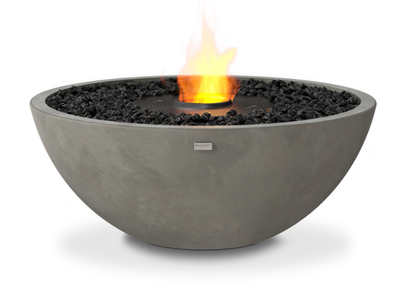
EcoSmart fire tables use tempered glass media, not lava rock, so there's no porous stone soaking up soot to deal with. A kitchen colander or fine mesh sieve works well for rinsing the glass in warm water; shake it gently while rinsing to remove any dust or residue. Let it dry completely before returning it to the reservoir, since damp media makes for a less clean-looking flame straight out of the gate.
Caring for Concrete and Powder-Coat Surrounds
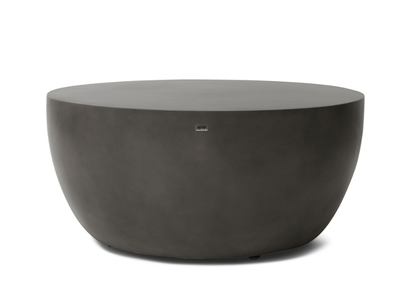
GFRC concrete surrounds are porous, so a mild soap-and-water wash handles routine dirt, but sealing the surface once a year helps stop staining before it starts. Powder-coated steel needs even less: warm water and a soft cloth generally keep it looking fresh. Avoid strong acids or abrasive pads on either, since both rely on an intact surface layer to resist staining and moisture.
Dealing With Fuel Splashes
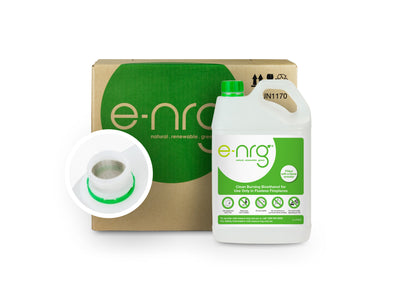
If e-NRG bioethanol splashes onto the surround while refuelling, wipe it up straight away rather than letting it sit on powder-coat or timber. Warm soapy water is enough; there's no need for anything stronger. Always refuel with the burner fully cool (a minimum of 60 minutes after use) and use the safety nozzle or bottle adaptor rather than pouring directly, which keeps spills to a minimum in the first place.
What Actually Damages a Fire Table Over Time
Most long-term damage doesn't come from Australian weather on its own. It comes from harsh chemicals, abrasive tools, or letting grime sit for months before dealing with it. Stick with mild soap, diluted vinegar, soft cloths and non-abrasive brushes, and do it regularly rather than saving it up for one big clean. That habit alone keeps a fire table looking sharp for years, not just for the first summer.
Frequently asked questions
What materials are best for cleaning a fire table?
Mild dish soap and warm water handle most jobs, microfibre cloths and soft brushes do the physical work, and diluted white vinegar takes care of glass and mineral marks. Nothing abrasive or harsh.
Can you use vinegar to clean a fire table?
Yes. Diluted white vinegar (roughly equal parts vinegar and water) suits glass media, tempered glass wind guards, and salt or mineral marks. Spray it onto a cloth rather than the table, wipe, then dry to avoid streaking.
What should you not use to clean a fire table?
Avoid wire brushes, steel wool and abrasive pads, plus strong degreasers and acids. They strip protective coatings and scratch stainless steel, powder-coat and tempered glass, so surfaces mark faster afterwards.
How do you clean fire table glass media?
Rinse the tempered glass in warm water using a colander or fine mesh sieve, shaking gently to remove dust, then let it dry fully before returning it. There is no porous lava rock to deal with.
You May Also Like:
About the author:
“I have a real passion for helping transform outdoor spaces so people can relax, connect and entertain with confidence and pride. With My Acre, I love guiding homeowners to create beautiful and functional outdoor living areas."