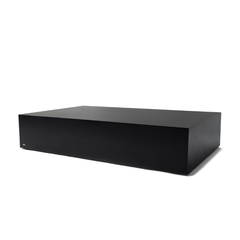
Short answer: Yes, once the burner has cooled for at least 60 minutes. A cover keeps rainwater out of the burner well and shields the finish from rain, dust and UV rays. It also saves you clearing leaves and grit off the surface before every use. In Australian conditions that is the difference between a table still looking considered in year five and one that plainly does not.
What Australian weather does to an uncovered fire table
Australian conditions are hard on anything left outside year-round. The damage arrives so gradually that most owners only notice it when they compare their table to a photograph from two summers earlier.
Raw teak turns silver-grey with sun, rain and humidity, which EcoSmart describes as a cosmetic change only. EcoSmart says concrete is a natural material. It describes minor changes in colour, texture and surface appearance over time as normal. Rain pools in the burner well rather than draining away, while coastal salt air works steadily on any exposed metal and windblown grit scours the surface a little further every time the table is wiped down.
None of that is dramatic on any individual day, which is precisely why owners ignore it until the finish has visibly deteriorated.
What a cover actually protects
The finish is the visible part, so it takes most of your attention, but the burner is where a cover genuinely earns its money.
Water sitting in the burner well is the genuine problem, because bioethanol and water do not mix. A burner holding rainwater will not light cleanly until it has been drained and thoroughly dried.
Debris in the burner well means leaves, seed pods and the occasional insect settling into the reservoir, all of which has to be cleared out before the table will light at all.
UV across the surround is slower and considerably less obvious, though it is the one form of deterioration you cannot reverse once the finish has gone.
Fabric covers: polyester and vinyl
Soft covers are the most common option because they are light enough to handle alone, simple to fit over an awkward shape, and easy to fold away when the table is in regular use.
Woven polyester breathes, which matters considerably more than most buyers expect. A cover that traps moisture underneath holds damp against the finish for days after the rain stops, which is a good deal worse than leaving the table uncovered.
Coated vinyl sheds water harder but breathes very little, so it suits a table sitting fully exposed to direct rain, provided somebody remembers to take it off on dry days.
Whichever fabric you choose, look for a drawstring or toggle at the hem, because an unsecured cover in a decent southerly ends up in the neighbour's yard.
Hard-top lids: aluminium and stainless
A rigid lid sits flush over the burner opening instead of draping across the whole table, which keeps the table usable as a table.
That is the genuine advantage, because your guests can put a glass down on a lid, whereas a fabric cover turns the whole piece into furniture nobody is permitted to touch.
The trade-off is coverage, since a lid protects the burner well and leaves the surround exposed. Plenty of owners run both: the lid through the entertaining season, the full cover once the table will not be lit for a month or more.
Choosing the right cover for your table
Measure the table rather than the burner, because covers are sized to the outer dimensions of the piece. Anything more than slightly oversized will flap in wind until the corners wear through.
Check the drop as well as the footprint. A cover reaching only to the tabletop edge leaves the base exposed, which matters considerably on a concrete table where the base is the heavy, visible part of the design.
Then match the cover to how exposed the table actually is, because a piece sheltered under a pergola needs substantially less protection than one sitting on open lawn.
When to cover, and when to leave it off
Always wait for the burner to cool. The AB8 burner needs a minimum of 60 minutes after the flame goes out. Covering a warm burner traps heat against the fabric, with predictable results for both.
Never cover a wet table. Sealing moisture underneath a cover does considerably more damage than simply leaving your table open to dry in the air.
Leave the cover off on fine days when the table is in regular use, since a cover handled twice daily wears out considerably faster than one used only through the off-season.
The practical version
Cover your table once it is cool and dry, choose a breathable fabric if it lives in the open, then take the cover off on fine days when the table is in use. That is very nearly the entirety of the maintenance a bioethanol fire table requires.
Covers and all-season lids for EcoSmart tables sit in the EcoSmart Fire accessories range. The tables themselves are in the fire tables collection.
If you are unsure which cover suits your table, ring Hayden on 1300 515 620. He will tell you what fits, including the occasions when the cheaper option is genuinely the right one.
You May Also Like:
About the author:
“I have a real passion for helping transform outdoor spaces so people can relax, connect and entertain with confidence and pride. With My Acre, I love guiding homeowners to create beautiful and functional outdoor living areas."