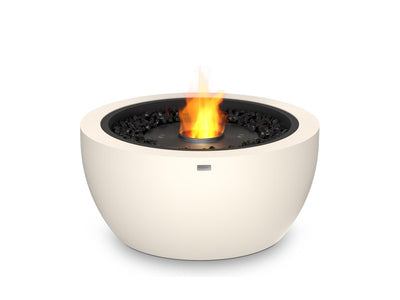
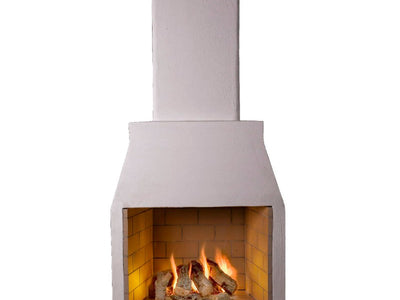
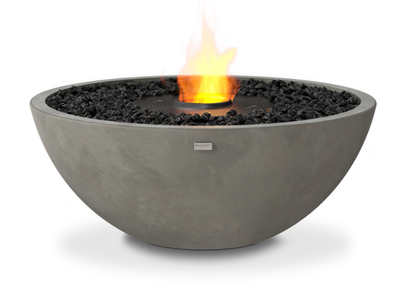
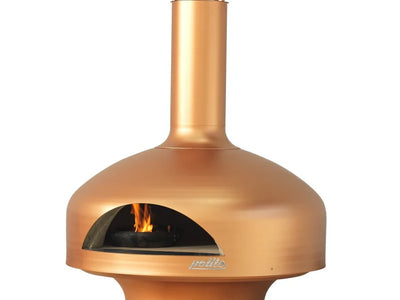
One minute your Fire Table is party-ready, the next it has a water mark or a dull patch after a rough weekend outdoors. The short answer: an EcoSmart fire table doesn't rust the way a cheap steel fire pit does, because the burner is grade 304 stainless steel and the surrounds are concrete, powder-coated steel or timber. What you're actually dealing with is surface staining, water spots or grime, and all of it comes off with basic cleaning.
Why an EcoSmart Fire Table Doesn't Rust Like a Cheap Fire Pit
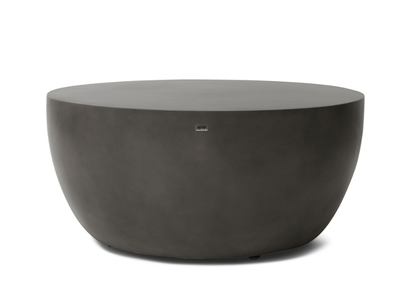
Rust is what happens when untreated or painted mild steel meets moisture. EcoSmart burners aren't built that way. The AB8 burner is machined from grade 304 stainless steel, the same material used in commercial kitchens and marine fittings, specifically because it resists corrosion. The surrounds around it are GFRC concrete, powder-coated steel or teak, none of which rust in the way an old cheap fire bowl does.
That doesn't mean the table stays spotless forever. Stainless steel can develop light water spotting, faint discolouration from heat, or dust and salt residue over time. Concrete and powder-coat surrounds pick up dirt, pollen and the odd drink spill. None of it is structural, and all of it responds to the same basic approach: mild cleaning, dried thoroughly, done regularly.
Cleaning Stainless Steel Water Spots and Marks
For everyday marks on the stainless steel burner, warm water and a small amount of mild dish soap on a microfibre cloth is enough. Wipe with the grain of the metal rather than against it, since scrubbing across the grain is what causes visible scratching over time. Rinse lightly and dry the surface fully afterwards; leaving water sitting on stainless is what causes those cloudy spots to reappear.
For light staining or heat discolouration, a weak mix of white vinegar and water on a cloth (never poured directly onto the burner) lifts most marks without needing anything abrasive. Avoid steel wool, wire brushes or chlorine-based cleaners on stainless steel altogether. They're aggressive enough to scratch the finish and, ironically, can encourage the exact corrosion they're meant to prevent.
Caring for Concrete, Powder-Coat and Timber Surrounds
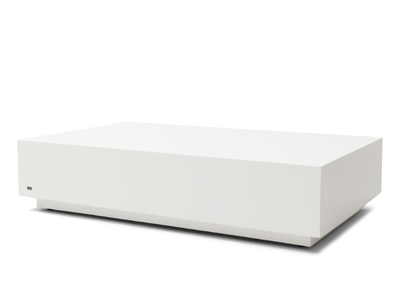
Concrete and GFRC surrounds are porous, so spills and soot sit on the surface rather than soaking in immediately, but they will stain if left too long. Warm water and mild soap handle most marks; for anything stubborn, a baking soda paste left for ten minutes before wiping clean works well. Sealing a concrete surround once a year keeps future stains easier to remove and helps guard against hairline cracking from temperature changes.
Powder-coated steel and teak surrounds need less fuss. Warm soapy water and a soft cloth are usually enough. Avoid abrasive pads on powder-coat in particular, since once the coating is scratched through, the exposed metal underneath is far more likely to mark or corrode.
Cleaning the Glass Media and Wind Screens
EcoSmart fire tables use tempered glass media, not lava rock, so there's no porous stone to scrub or replace. Lift the glass out, rinse it gently in warm water, and let it dry completely before putting it back in the burner. If your table has a glass wind guard or fire screen, the same diluted vinegar-and-water mix used on the burner works well here too. Wipe with a lint-free cloth and dry thoroughly to avoid streaking.
Preventing Marks Before They Start
The easiest stain to deal with is the one that never sets in. Wipe up any fuel splashes as soon as the burner has cooled, rather than letting them sit on a powder-coat or timber surround. Fit a cover when the table isn't in use so dust, pollen and rain don't get the chance to build up. If you're near the coast, an occasional wipe-down of the exposed metal clears salt residue before it has time to dull the finish.
Kept up with a few minutes here and there, an EcoSmart fire table stays looking close to new for years. The materials are built for outdoor Australian conditions; the maintenance is just basic housekeeping.
Frequently asked questions
How do you remove rust from a fire table?
An EcoSmart fire table does not rust like cheap steel, as the AB8 burner is grade 304 stainless and the surrounds are concrete, powder-coated steel or teak. What looks like rust is usually surface staining or water spots, which lift with mild soap and water.
How do you clean water spots off a stainless steel burner?
Use warm water and a little mild dish soap on a microfibre cloth, wiping with the grain, then dry fully. For light staining, a weak white vinegar and water mix on a cloth lifts marks. Avoid steel wool, wire brushes and chlorine cleaners.
How do you clean a concrete fire table surround?
Warm water and mild soap handle most marks; a baking soda paste left ten minutes lifts stubborn stains. Sealing the concrete once a year keeps future stains easier to remove and guards against hairline cracking.
How do you clean fire table glass media?
Lift the tempered glass out, rinse gently in warm water, and let it dry completely before returning it. There is no porous lava rock to scrub, so it is a simple rinse-and-dry job.
You May Also Like:
About the author:
“I have a real passion for helping transform outdoor spaces so people can relax, connect and entertain with confidence and pride. With My Acre, I love guiding homeowners to create beautiful and functional outdoor living areas."